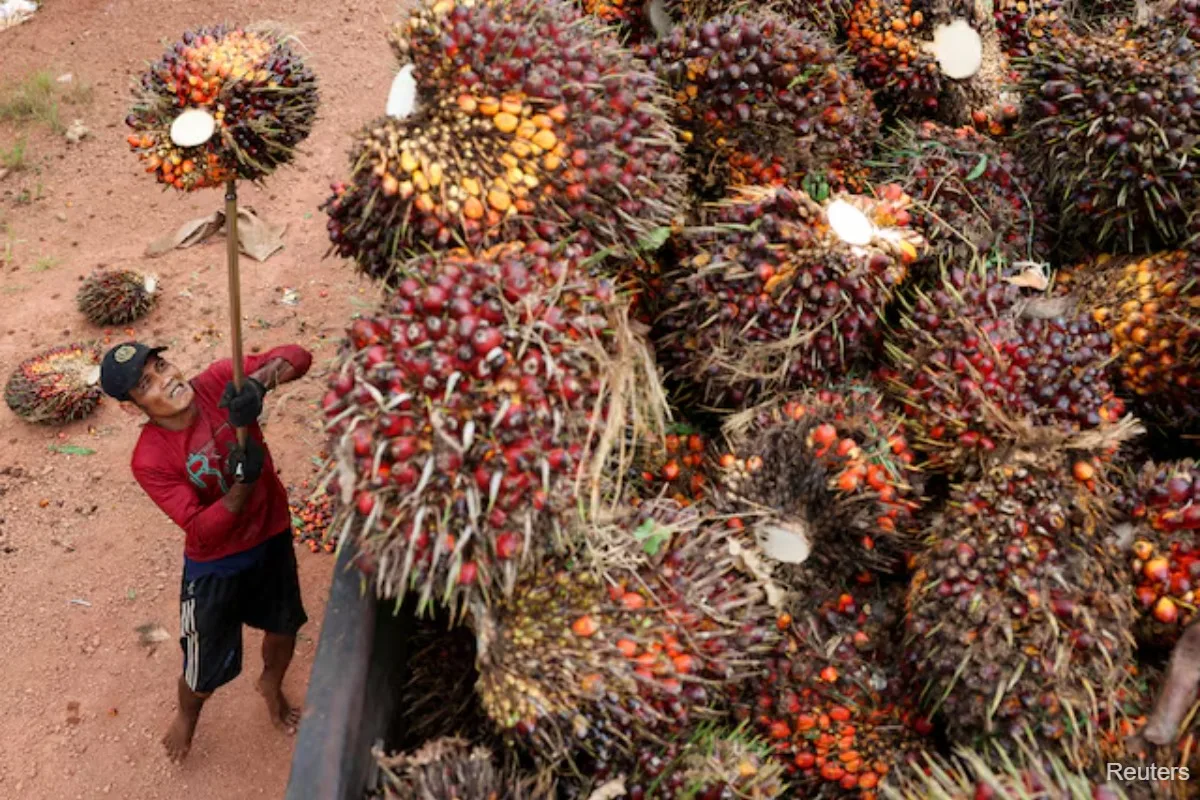
Indonesia will launch a commodity exchange for mineral and strategic commodities starting January 1, 2027, President Prabowo Subianto announced on August 14, 2026, in his 2027 budget proposal speech [1, 2, 3]. The exchange aims to create Indonesia's own reference prices for key commodities, including crude palm oil, nickel, and coal, which are among the country's primary exports [1, 2, 3].
Presidential spokesperson Prasetyo Hadi confirmed on August 17 that the exchange would cover these commodities, stating, "Certainly it will cover the commodities that are our primary products, such as CPO (crude palm oil), nickel, and coal" [1]. Indonesia is the world’s largest exporter of palm oil, thermal coal, and nickel products, and also a major supplier of coffee beans, bauxite, tin, and copper [1, 2, 3].
The government is finalizing details on implementation and which commodities will be included beyond the initial list [1, 2, 3]. A separate presidential decree will specify the final list of commodities to be traded on the exchange [1, 2, 3]. The Financial Services Authority (OJK) is expected to introduce rules governing the commodity exchange by September 17, 2026. OJK chief Friderica Widyasari Dewi explained, "The OJK rules will include the phased transition of trades into the new exchange" [1].
The Indonesian Nickel Miners Association supports the plan, viewing it as a way to set transparent commodity prices. Association chair Nanan Soekarna said, "This exchange could provide an alternative reference for buyers and sellers seeking more transparent prices that reflect actual output levels at major production hubs" [2].
The exchange continues the government’s efforts to leverage Indonesia’s vast natural resource reserves to drive economic growth [1, 2, 3]. The next major step will be OJK’s introduction of regulatory rules for the exchange on September 17, 2026, ahead of the planned January 2027 launch.