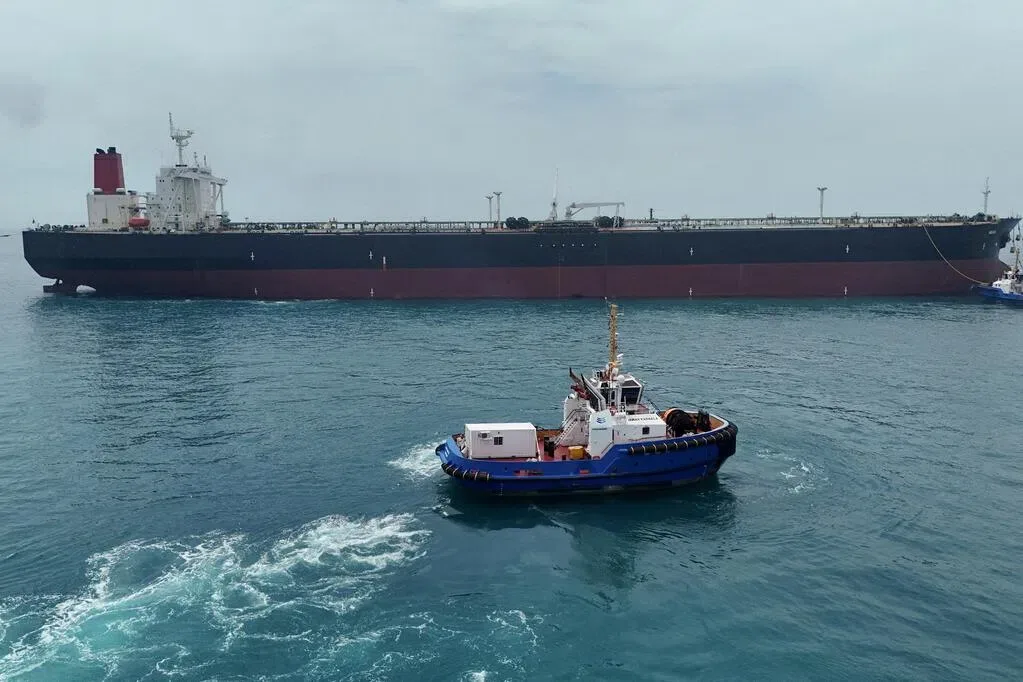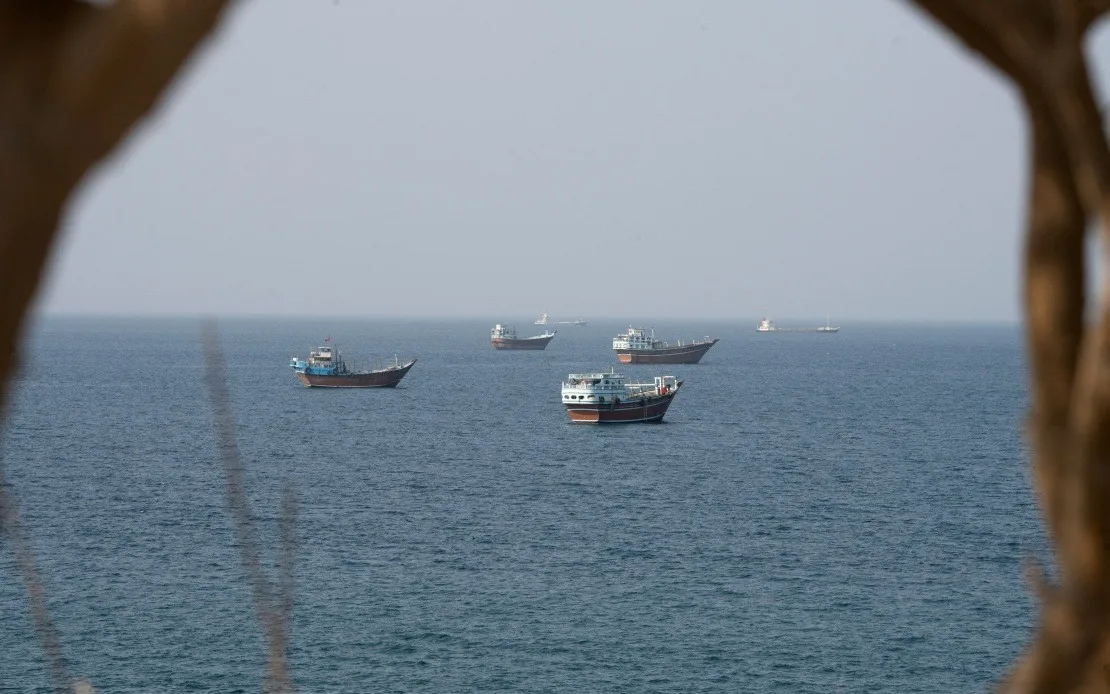
Iran authorized a number of Iraqi oil tankers to transit the Strait of Hormuz after Baghdad repeatedly sought special permission, officials said. [1, 2, 3]
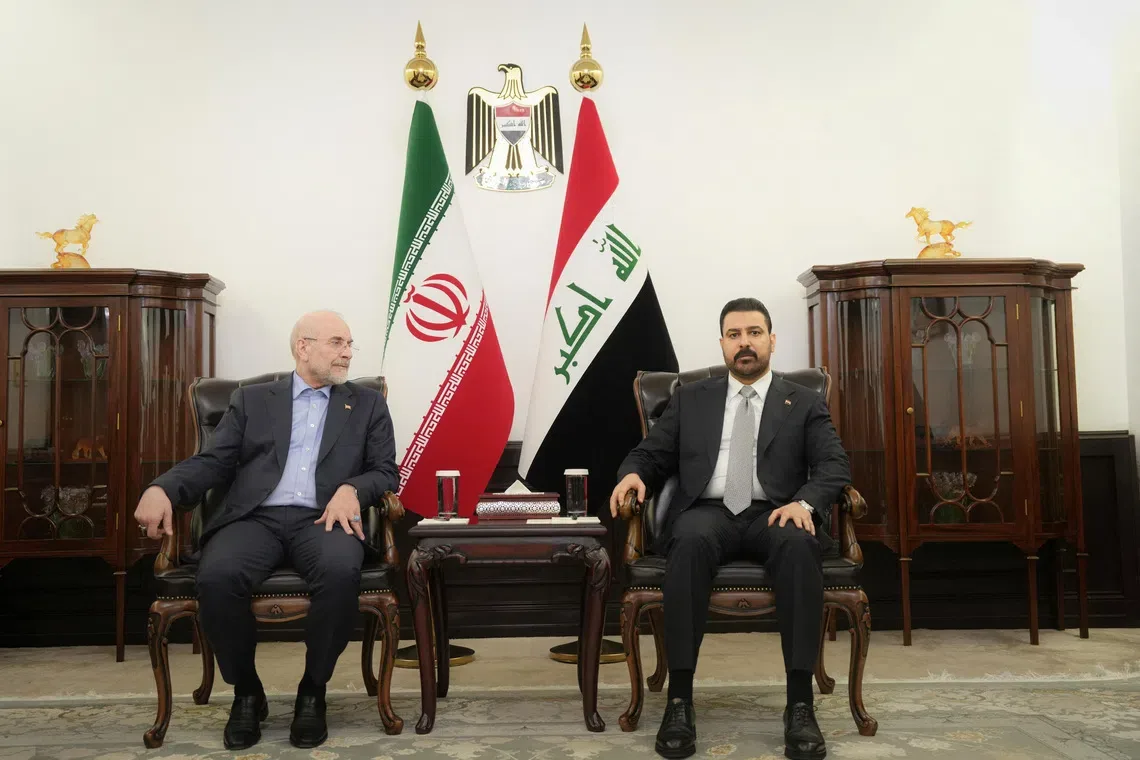
The permission came during Iranian parliament speaker Mohammad Baqer Qalibaf’s visit to Iraq on August 22, where Iraqi requests were a key topic. [1, 2, 3] Iraqi President Nizar Amidi confirmed that some vessels carrying Iraqi oil are now being facilitated through the vital waterway. "There is facilitation for some ships carrying Iraqi oil in the Strait of Hormuz," he said, also noting that the strait's impact extends beyond Iraq to the wider world. [1, 3]
The Strait of Hormuz has been effectively restricted due to tensions with Iran, greatly reducing tanker traffic. Iraq ranks among the countries most affected by this closure, with tanker traffic substantially below pre-war levels. [1, 2]
Before the Iran war, Iraq produced roughly 4 million barrels of oil per day and exported about 105 million barrels monthly. By July 2026, exports through the strait had fallen to approximately 49 million barrels. [1, 2]
In response, Iraq has been pursuing alternative export routes. It is working to expand shipments through Turkey’s Ceyhan port and plans to initiate exports via Syria's Baniyas and Jordan's Aqaba ports. [1]
Iran’s decision to allow some Iraqi tankers through the Strait marks a significant relief amid these challenges. It followed Baghdad’s push for greater access during the August 22 talks with the Iranian parliament speaker. [3]
Iraq will continue efforts to increase its oil exports through these alternate ports in the region amid evolving conditions at the Strait of Hormuz.