Israel and Lebanon reached a conditional ceasefire agreement contingent on a full cessation of fire from Iran-backed Hezbollah, according to multiple sources. The ceasefire hinges on Hezbollah stopping hostilities, though Hezbollah itself reportedly rejected the US-brokered truce in Lebanon [1, 2, 3].
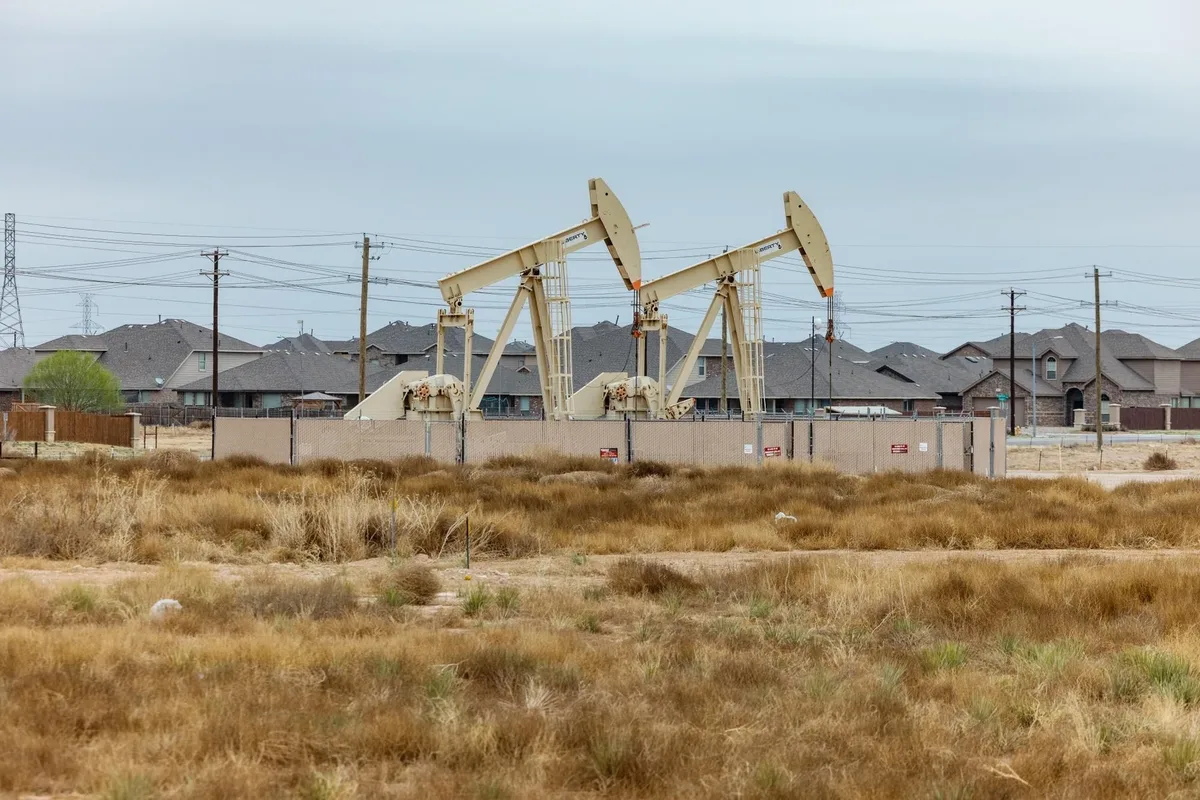
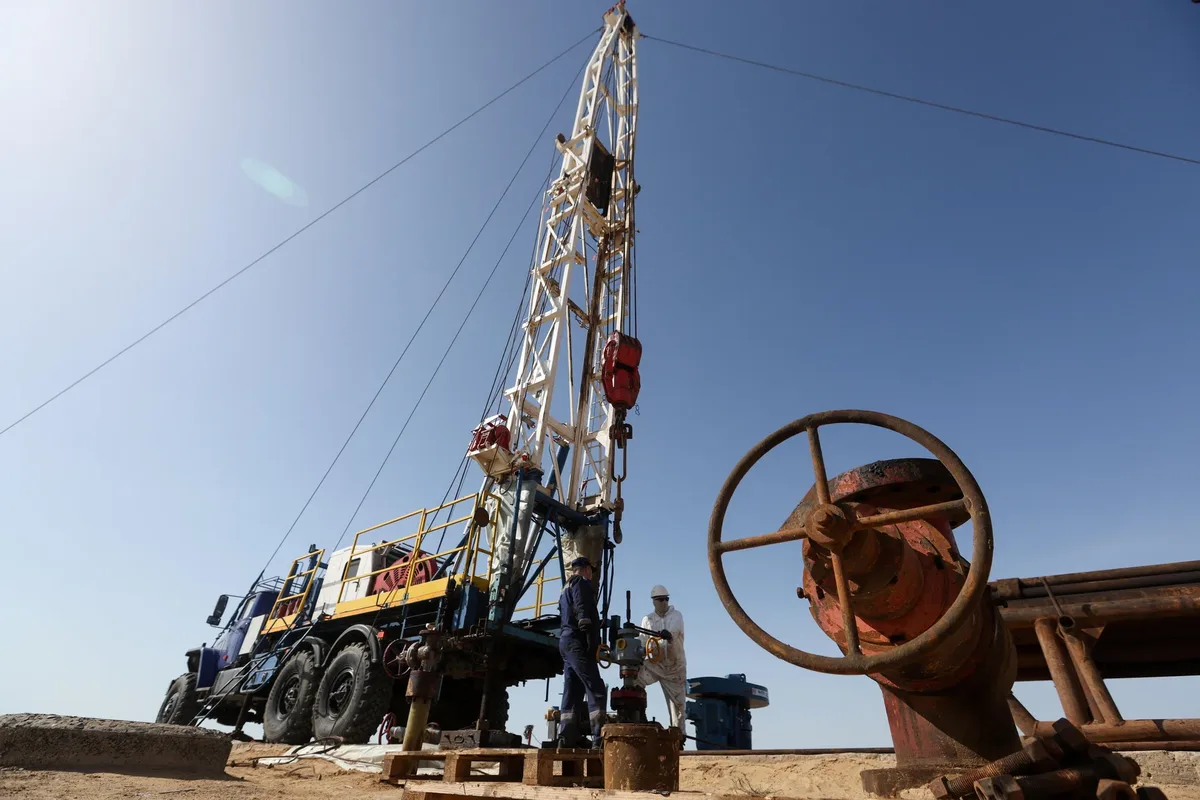
Following the announcement, Brent crude oil prices fell toward $97 per barrel, after three days of gains. West Texas Intermediate (WTI) crude hovered near $96 per barrel before slipping below $94. Some reports noted WTI futures dropped more than 3% to settle above $93, ending short-term gains [1, 2, 3].
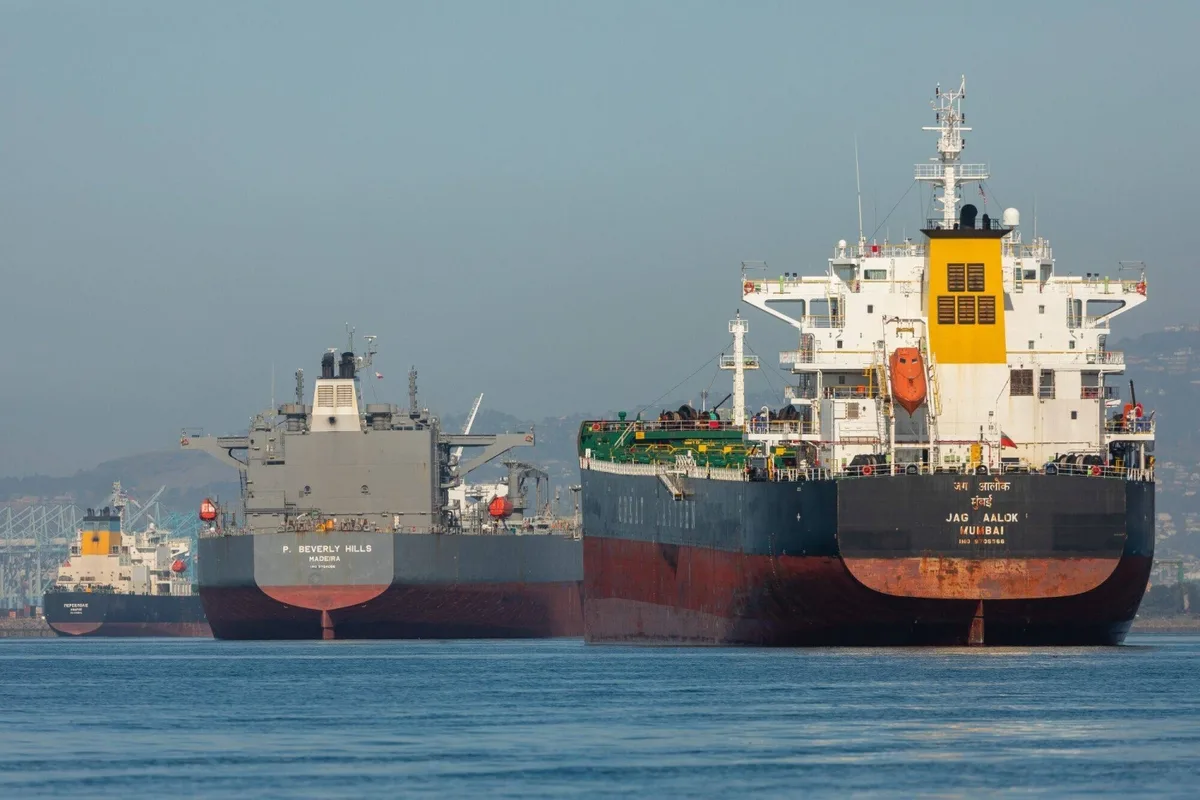
The complex geopolitical situation continues to weigh on markets. Washington and Tehran agreed on a rough framework to extend their current truce by two months and potentially reopen the Strait of Hormuz, a key oil shipping route. However, detailed negotiations remain stalled with sporadic fighting ongoing. Despite talk of reopening, the Strait remains effectively closed under a double blockade by Iran and the US, severely limiting oil flow [1, 2, 3].
US crude inventories at Cushing, Oklahoma, have fallen for six consecutive weeks, approaching minimum operating levels. This decline signals shrinking global supply buffers amid rising tensions and constrained exports [2, 3].
Iran’s foreign minister said no tangible progress has been made in US-Iran talks and threatened to target Israeli locations if attacks on Beirut continue [2, 3]. US President Donald Trump said the Strait of Hormuz would open "immediately" once Iran signs a memorandum of understanding to cease hostilities, downplaying mine threats in the strait [2, 3].
Market analysts warn Brent crude could spike as high as $130 per barrel in the fourth quarter if the Strait of Hormuz stays closed and inventories tighten. Robert Rennie, head of commodity research at Westpac Banking, said, "The market is asleep at the wheel, even as we drive rapidly towards aggressive tightening in crude and product markets," forecasting a fourth-quarter Brent spike [2, 3].
Trading volumes and open interest in oil futures have dropped to multi-year lows, reflecting sidelined traders amid uncertainty. Joe DeLaura, global energy strategist at Rabobank, noted that "traders are almost completely on the sidelines as evidenced by open interest and volumes dropping to multi-year lows" [3].
The ceasefire announcement came on June 3, with oil prices reacting the following day. The US-Iran framework and inventory declines have been unfolding since early June 2026 [1, 2, 3]. The next key developments include ongoing US-Iran negotiations and possible reopening of the Strait of Hormuz, which remain uncertain amid fluctuating diplomatic and military actions.