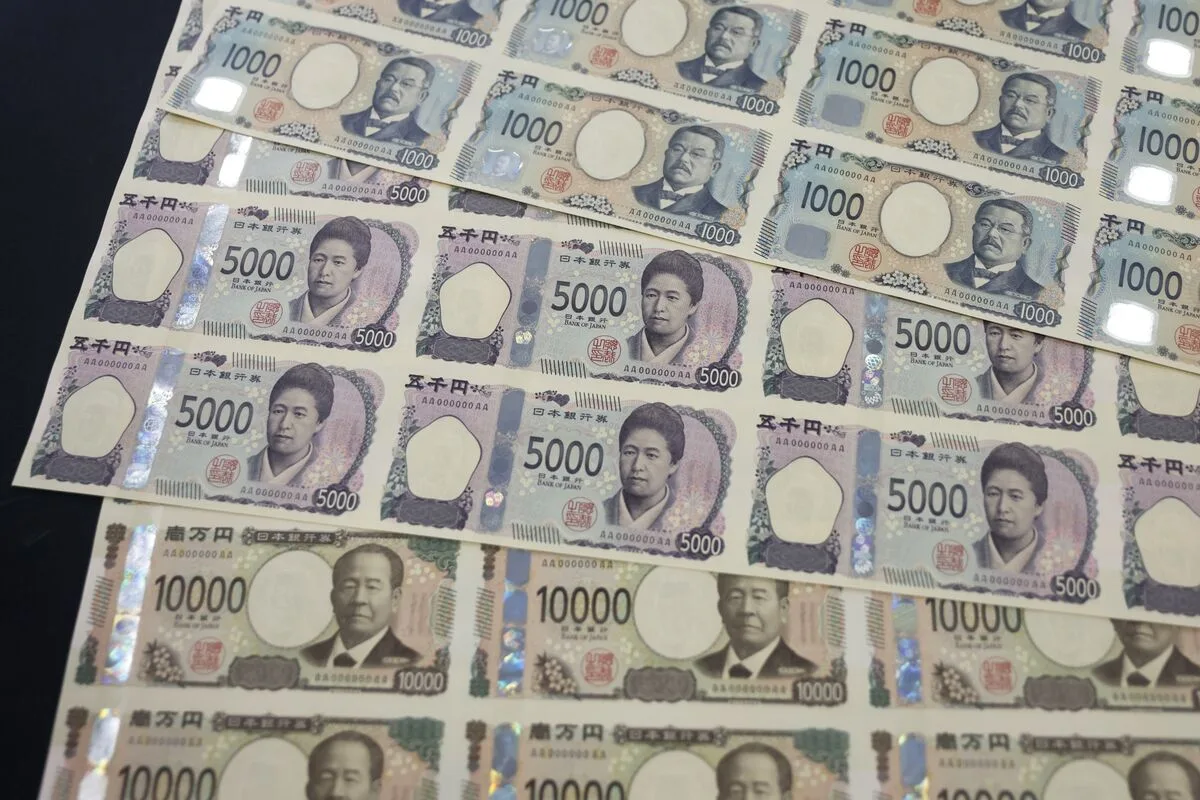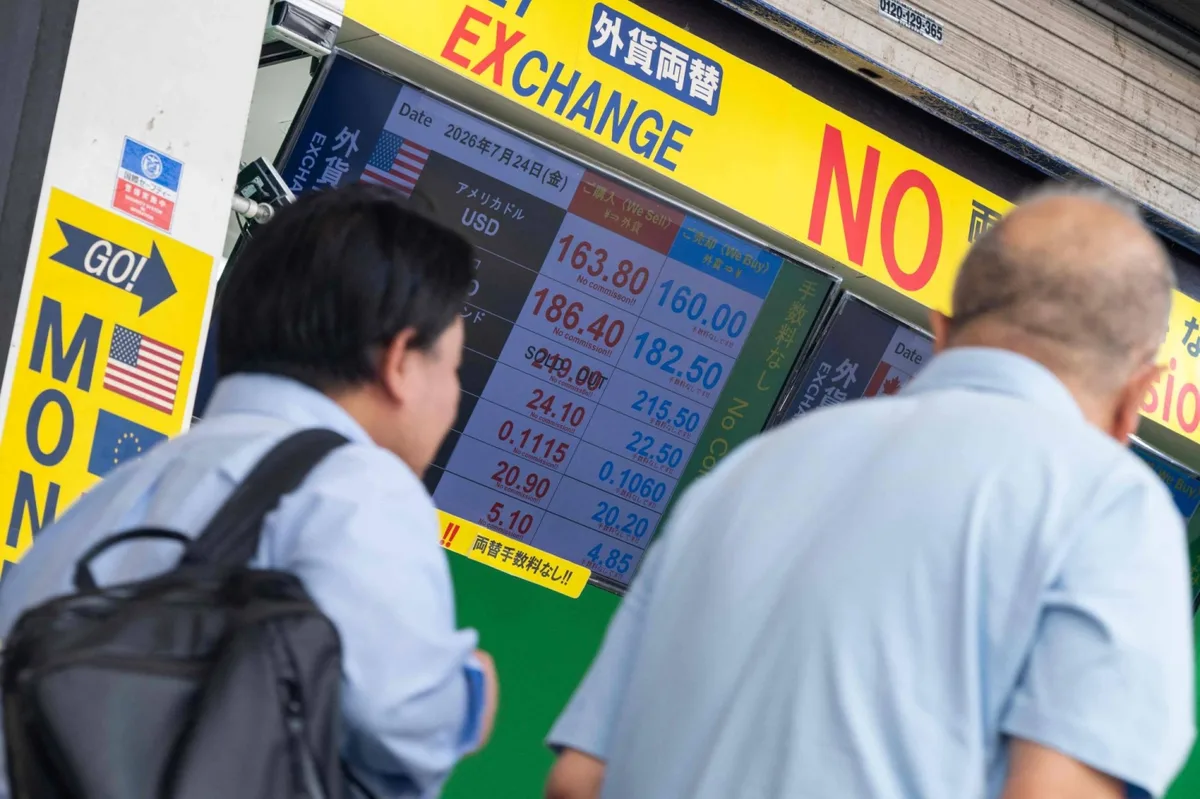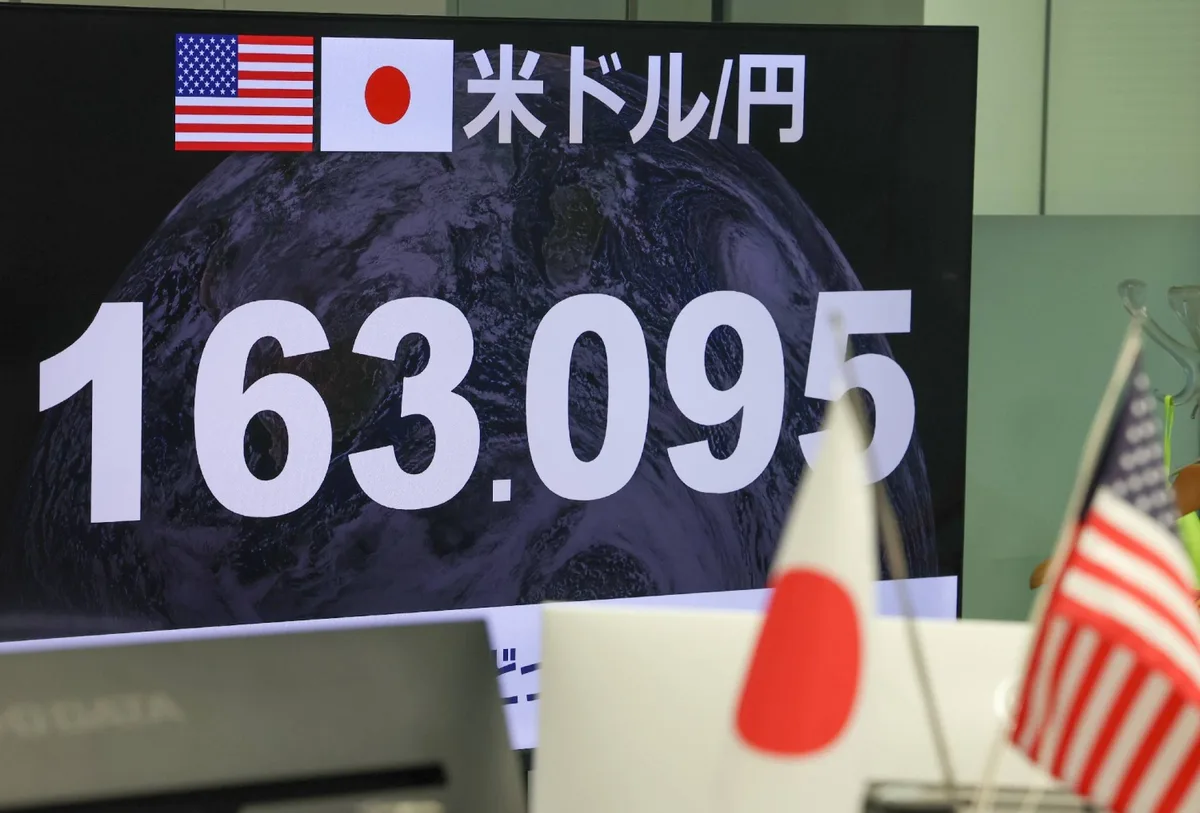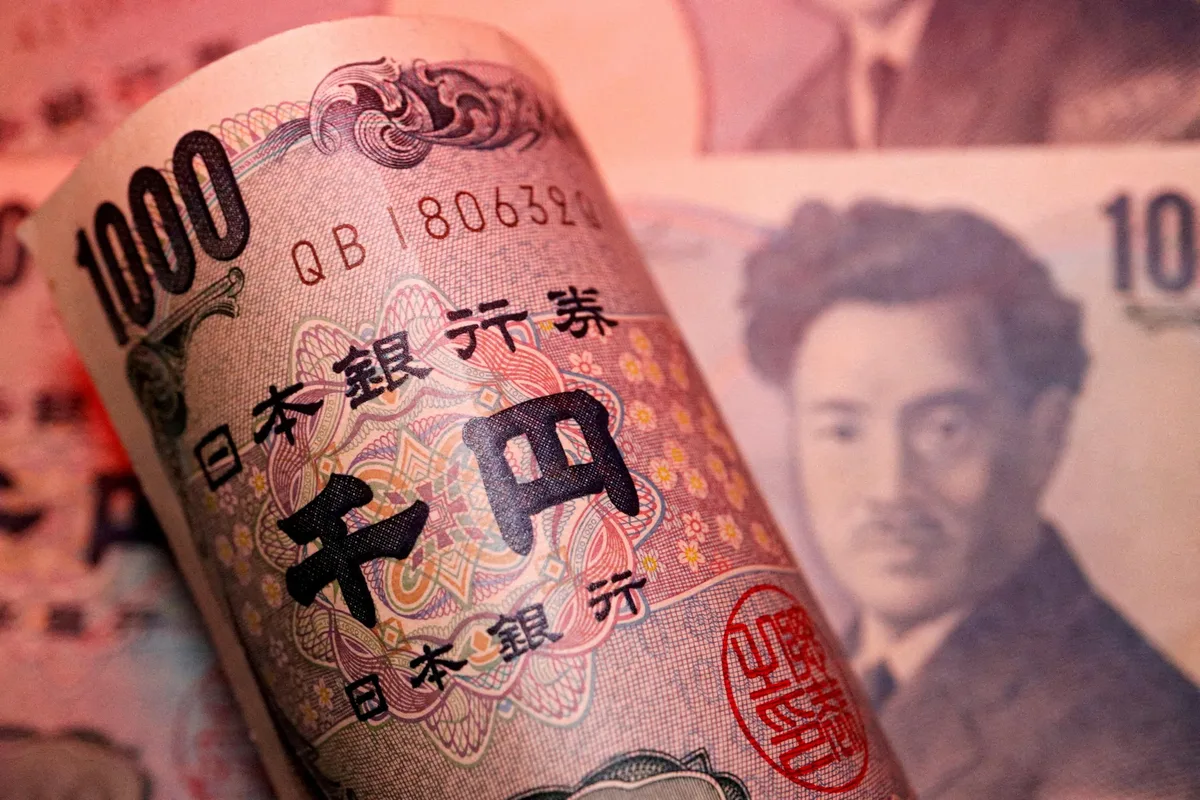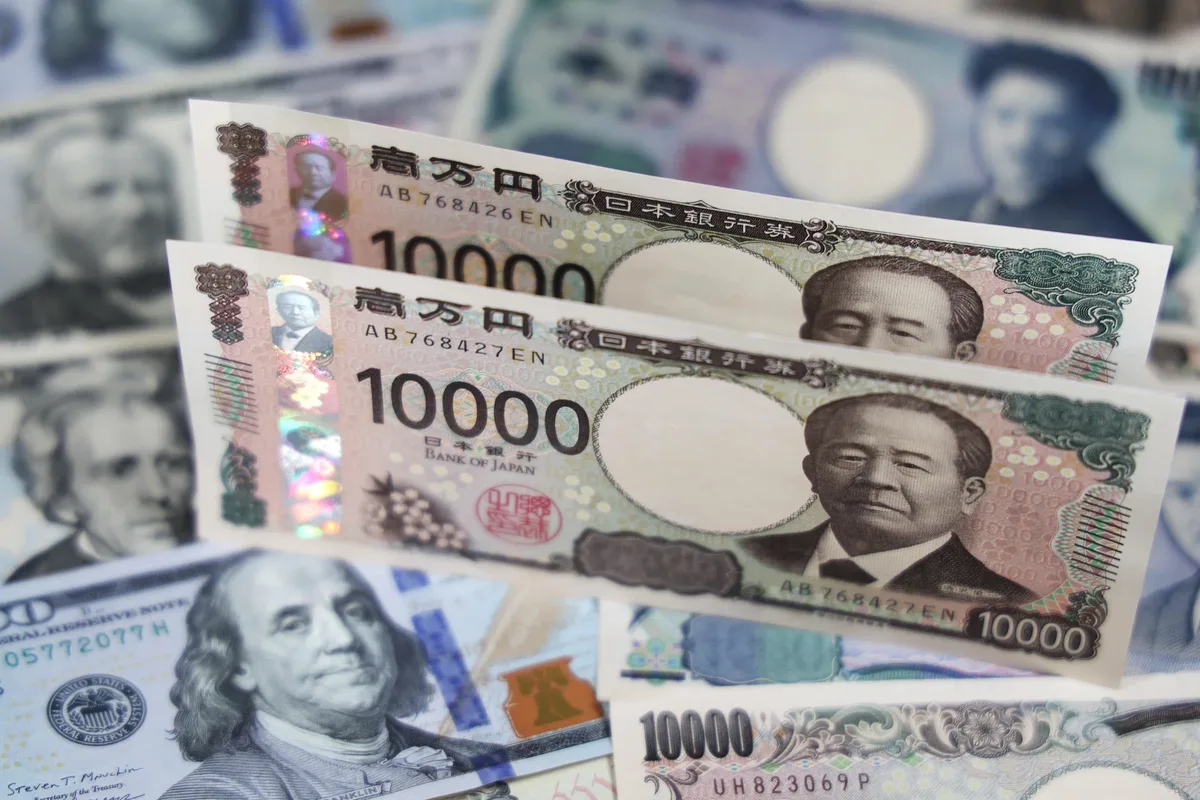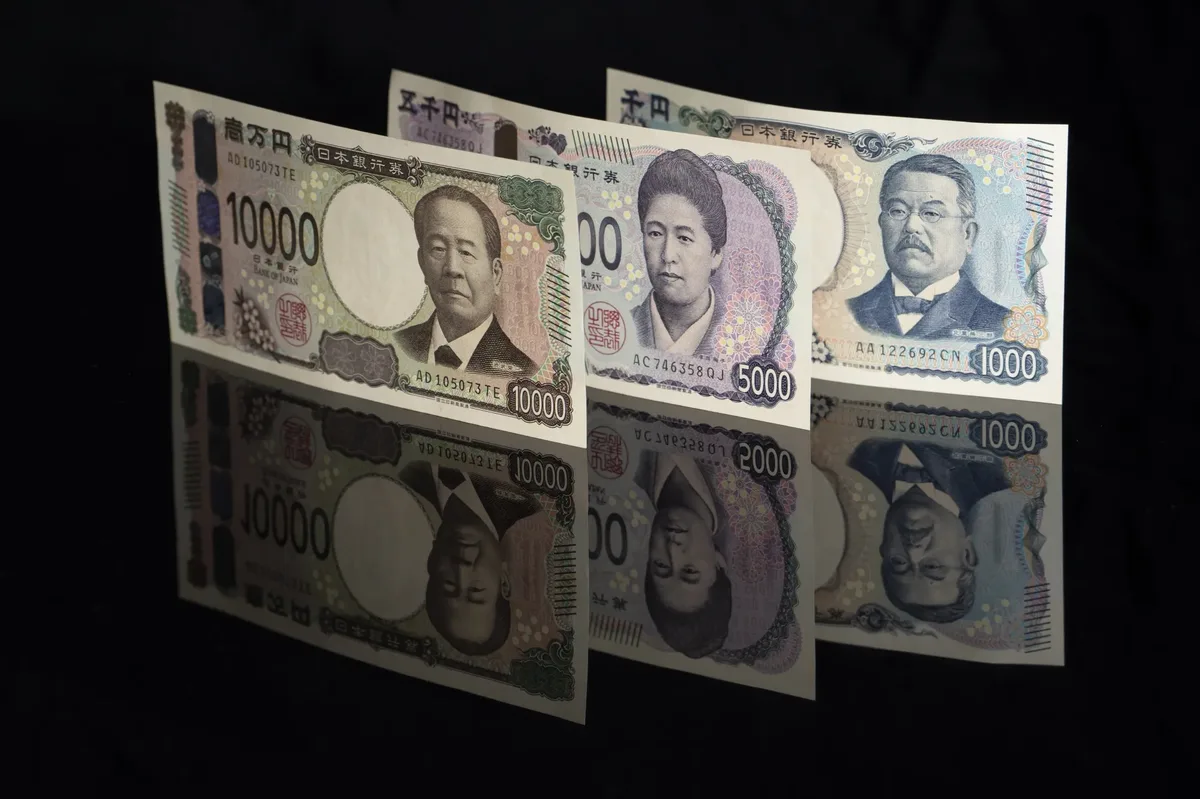
The Japanese yen has weakened to a 40-year low against the US dollar, trading above ¥160 since May and near ¥163 in July 2026, reflecting broad-based currency weakness beyond the dollar [1, 2, 3, 4, 5]. In late April, Japan's authorities spent a record $74 billion to prop up the yen, temporarily triggering a sharp rebound [1]. Despite further intervention in May 2026, the yen’s downward trend persisted amid strong dollar demand and the Bank of Japan’s (BOJ) persistently low interest rates [3, 5].
The BOJ's nominal effective exchange rate index hit fresh record lows in 2026, showing the yen's weakness against multiple currencies, not just the dollar [6]. The Bank of Japan raised its policy interest rate several times, including in June 2026 when it reached a 31-year high of 1%, but market participants remain skeptical of further hikes due to perceived government pressure [7].
Finance Minister Satsuki Katayama warned that authorities would act decisively to curb excessive currency weakness if necessary [3]. However, analysts say intervention often only "buys time" for the yen without reversing its fundamental decline absent a shift in BOJ policy. Fabien Yip from IG explained, "The record shows intervention buys time, not a trend reversal" [3]. Christian Antúnez of Lazard Asset Management added, "Intervention is fighting a fundamentals-driven move and will continue to buy time, not direction" [5].
The US Treasury Department expressed concern about substantial yen undervaluation in its July currency report, calling for further BOJ interest rate hikes and deeming excess yen volatility undesirable. It said, "Monetary policy normalisation would help anchor inflation expectations and reduce excessive exchange rate volatility" [7].
Currency moves recently intensified, with the yen briefly crossing ¥163 on July 22 before weakening further. Sony Bank noted, "Rate checks or actual market intervention could take place without prior warning" [2]. Some analysts suggest Japanese authorities are timing future interventions to coincide with US Federal Reserve policy meetings [4].
After the steepest weekly decline since May, with the US dollar gaining 0.89% against the yen by July 24, the dollar remained firm despite Japan’s pledge to stabilize its currency [5]. The Japanese government and BOJ are expected to continue monitoring currency volatility closely in coming weeks.