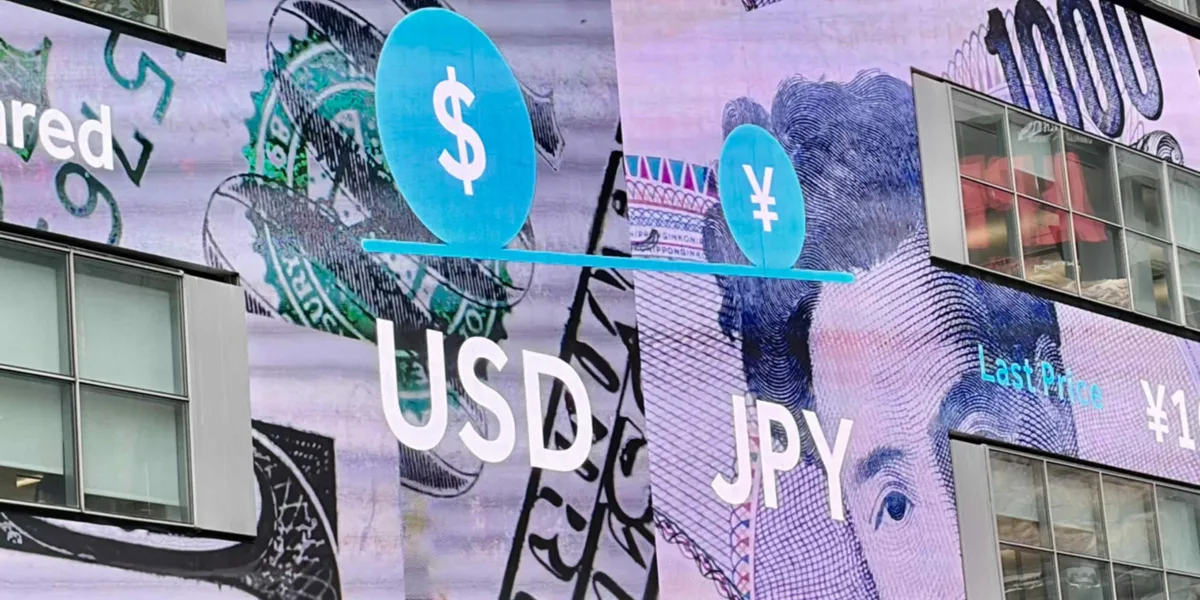
The Japanese yen surged to about 158.20 per US dollar on September 2-3, marking its highest level in roughly a month, following a 1.2% rally on September 2 during New York trading and overall gains of 0.9% to 1.7% over two days [1, 2, 3, 4, 5, 6].
Market participants suspect the sharp yen moves were partly driven by possible official intervention or "rate checks," where authorities request pricing quotes to gauge market reaction, though some analysts argue the rally was orderly and caused by signaling rather than direct intervention [1, 2, 4, 5, 6]. Carol Kong, a currency strategist at Commonwealth Bank of Australia, said, "The yen rally was about 0.9% and it's not a big move, and I definitely don't think that was an intervention. But some market participants have speculated that the rally was caused by a rate check" [2].
Japanese authorities have spent a record $96.4 billion over the past month trying to support the yen after it hit a four-decade low, including a rare joint US-Japan yen-buying intervention on July 31 that spent about $100 billion [4, 7, 5, 6]. Despite those efforts, the yen has faced pressure from wide US-Japan interest rate differentials, fiscal concerns, and rising energy costs [2, 8, 9, 4, 5, 6].
Speculation is growing that the Bank of Japan will raise interest rates at its policy meeting starting September 17. Markets currently price a 77% to 98% chance of a rate hike [3, 8, 9, 5, 6]. Comments from BOJ board members Hajime Takata and Kazuo Ueda hint at potential outsized or more nimble tightening moves, fueling expectations of faster policy shifts [3, 10, 4, 6]. Carry trades funded with yen are unwinding amid these expectations, pushing Japanese yields higher and strengthening the yen [10].
Traders remain on high alert for further official intervention in currency markets, especially around the upcoming BOJ meeting and during Japan’s Silver Week holidays when liquidity is thinner. Samara Hammoud, a strategist at Commonwealth Bank of Australia, noted, "Silver Week probably adds a bit more uncertainty around the yen, mainly because liquidity can be thinner during the holiday period. Another test of the pre-intervention highs in dollar-yen is likely over time" [4, 7].
US Treasury Secretary Scott Bessent publicly expressed strong support for Japan’s steps to address the yen’s undervaluation, underscoring allied coordination on the issue [1, 7, 5]. The US dollar weakened against the yen and other currencies amid the yen's rally, with the Bloomberg Dollar Spot Index and US dollar index easing [2, 11, 4].
The yen held gains near 158.88 per dollar on September 3 after the previous day’s surge. Asian stocks rose on September 4 as rising bets on a Federal Reserve rate pause cooled, while the yen remained near its one-month high around 155.81 amid BOJ rate hike speculation [2, 3, 8, 11, 12, 10].
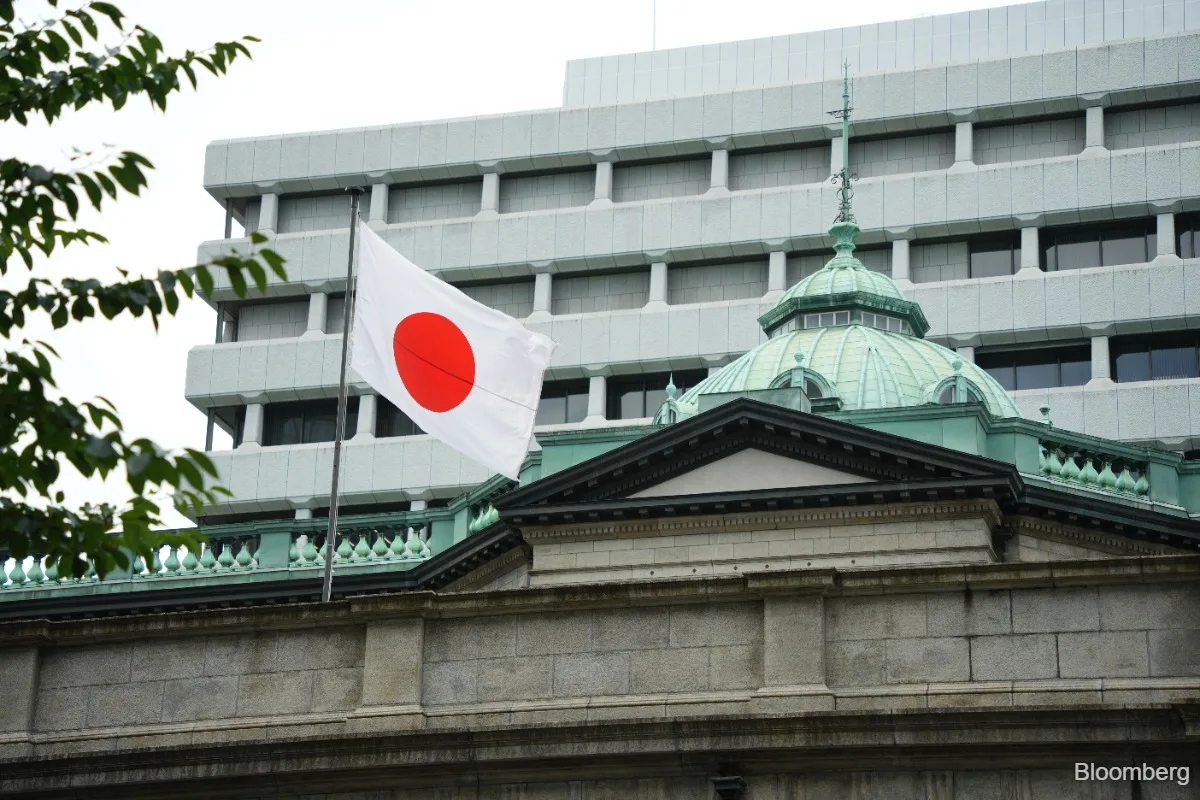
The Bank of Japan’s policy meeting is scheduled for September 17-18, with markets widely expecting an interest rate increase. Policymakers remain cautious, with Japan’s vice-finance minister for international affairs Atsushi Mimura saying, "We are neither satisfied nor reassured. Policymakers remain on a state of heightened alert" [3].