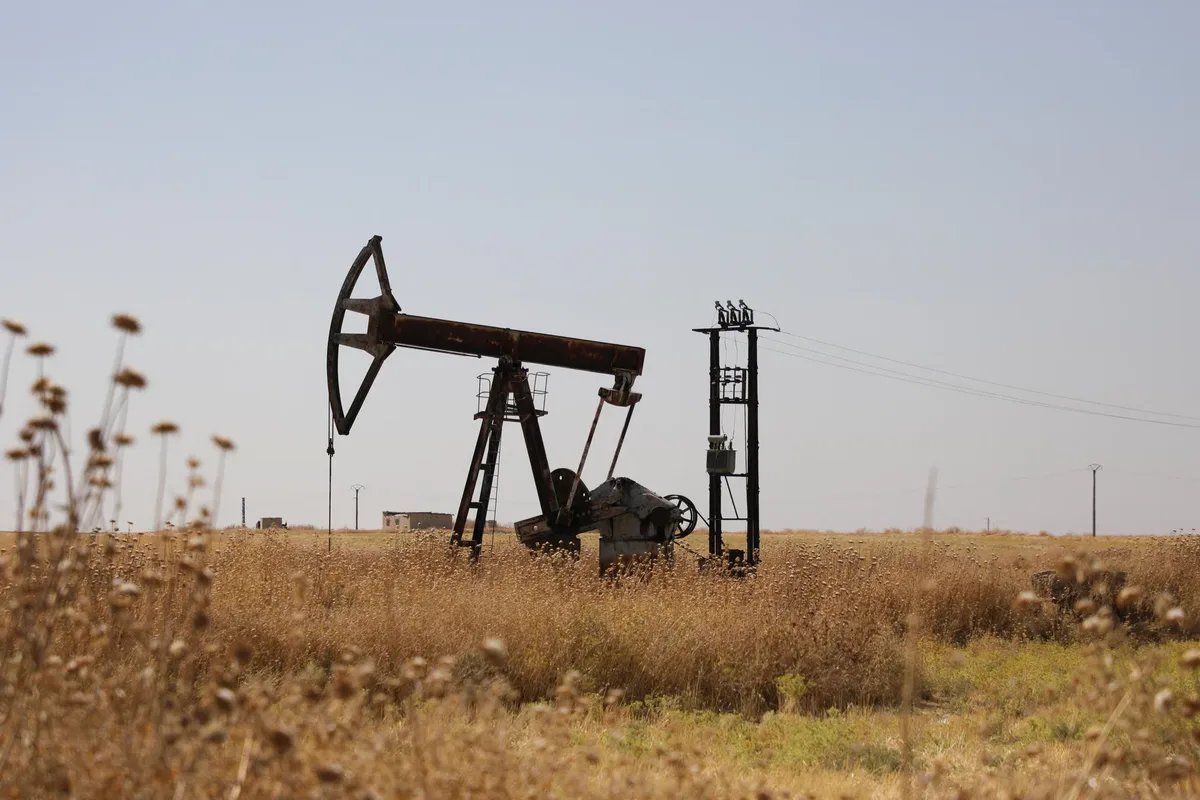
Oil prices increased on September 1, 2026, following renewed clashes between US and Iranian forces in the Middle East, sparking fears of crude supply disruptions from the region [1, 2, 3, 4]. Brent crude climbed above $91 a barrel, trading between $91.05 and $91.44, extending gains from previous days. West Texas Intermediate rose to roughly $86.46 to $86.59 per barrel [1, 2, 3, 4].
The spike followed US strikes targeting Iranian rocket launchers on Larak Island over the weekend, with Iran responding by firing missiles at US bases in Jordan and the UAE [2, 4, 5]. President Donald Trump warned of further attacks on Iranian assets, including Kharg Island, a key oil export hub [1, 2, 4, 5]. "We're going to hit them hard," Trump said [2].
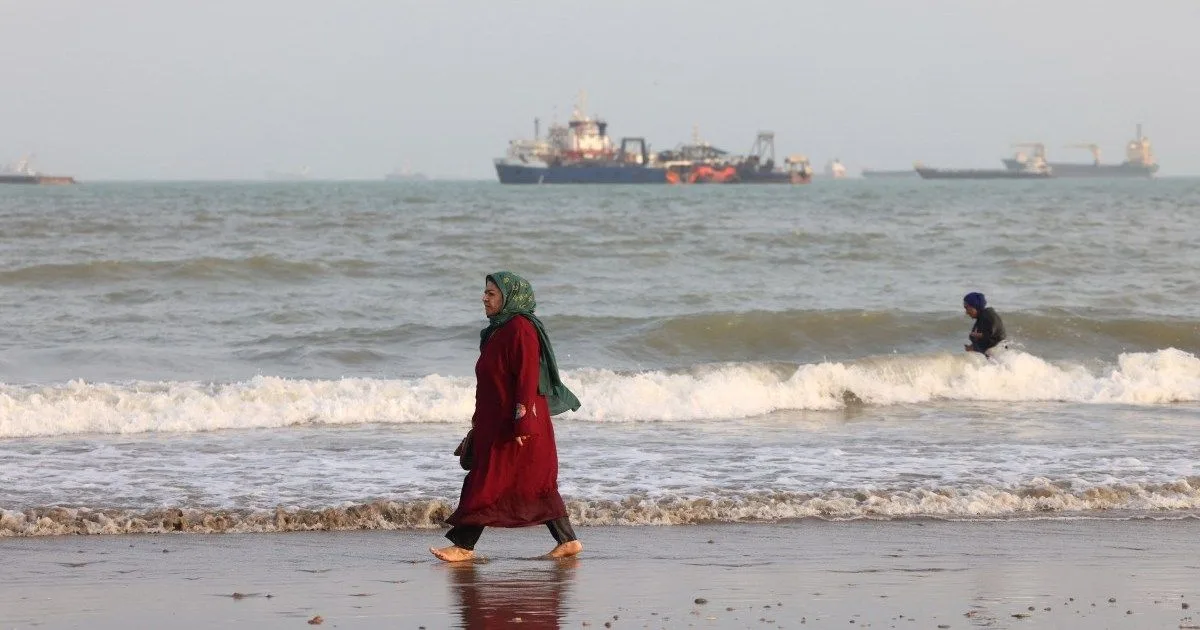
The Strait of Hormuz remains a critical but vulnerable chokepoint. Vessel traffic is down amid recent attacks, such as a tanker struck by projectiles and a super tanker damaged by naval mines [1, 2, 3, 4]. Despite efforts by Qatar and Oman to broker a deal to reopen the strait, no progress has been made [1, 3]. Currently, about 6 million barrels per day flow through the strait, well below pre-conflict levels when it handled nearly one-fifth of global oil supply [1, 3].
"These bring the potential for Iranian retaliation back into the equation," said Tim Waterer, chief market analyst at KCM. He added that the risks of damage to Gulf energy infrastructure and shipping uncertainty are weighing on prices [1]. Saul Kavonic of MST Financial said the market faces a "protracted ‘no war, no peace’ situation" with partial flows through the strait possibly lasting into 2027 [2].
Global oil inventories, including the US Strategic Petroleum Reserve, remain near historic lows, tightening buffers against supply shocks [1, 3]. The refining sector faces pressure from strikes on Russian refineries, pushing refined product margins upward [4]. Rising oil prices have also weakened the Japanese yen near a key 160-per-dollar level, prompting US Treasury Secretary Scott Bessent to urge Japan to raise interest rates to strengthen the currency [4]. "I believe the Japanese government and BOJ will do the things that lead to a stronger yen," Bessent said [4].
On the economic front, President Trump declared Iran a "Failed Nation" on September 1, claiming economic collapse and military weakness with inflation at 300%, though official Iranian data states inflation was about 66% annually in July 2026, with IMF projecting roughly 69% inflation and a 5.4% economic contraction for 2026 [5]. Iran’s exports and imports have fallen by nearly 35% due to US sanctions and naval blockades [5]. The US plans to roll out secondary sanctions almost weekly, focusing on banks and financial institutions tied to Iranian transactions [5].
US companies Chevron, GE Vernova, India's ONGC, Italy's Eni, and Colombia's GeoPark are nearing final agreements on Venezuelan energy projects, potentially expanding global crude supplies [1].
A tanker was struck by projectiles while passing through the Strait of Hormuz on September 1; no casualties were reported [1, 2, 3]. The situation remains volatile as the US threatens further strikes and naval traffic through the Strait remains limited.