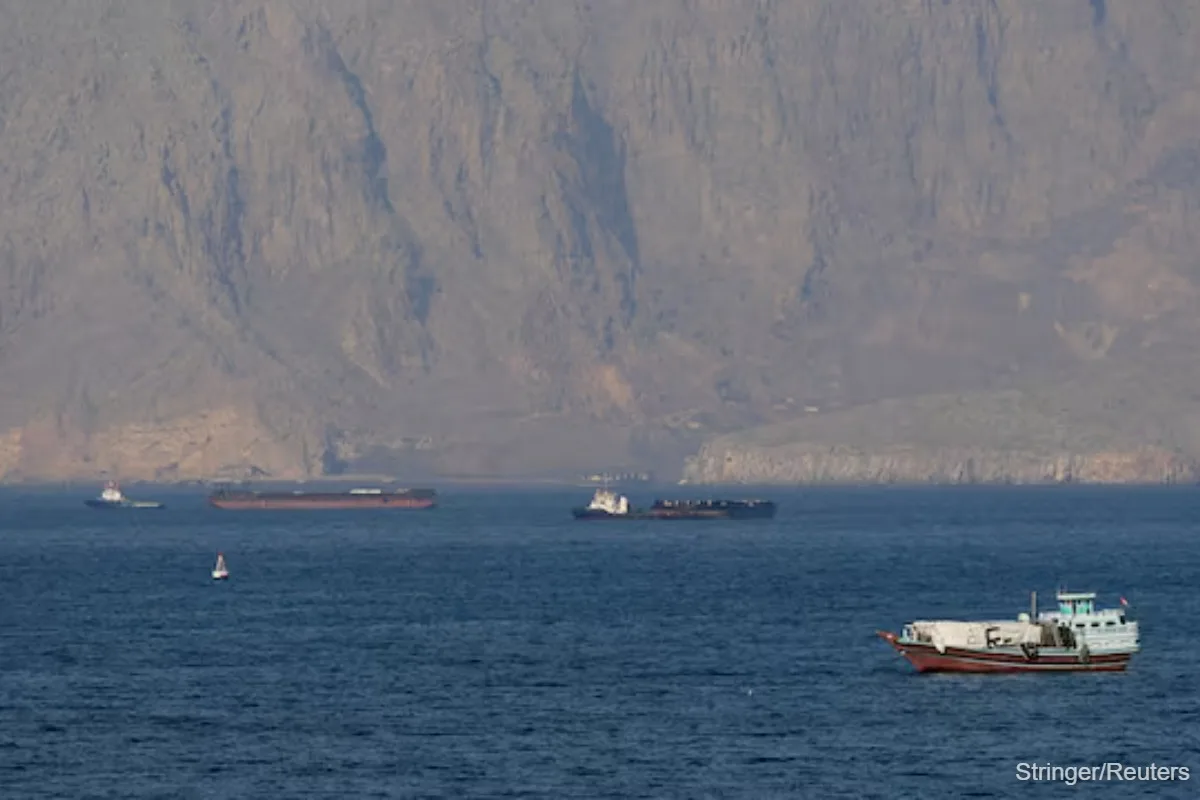
Shipping through the Strait of Hormuz slowed markedly over the weekend of August 15-16, 2026, with only five commodity vessels transiting on Saturday and none on Sunday. This compares to 31 vessels the previous weekend, highlighting a sharp decline in traffic in the strategic Gulf waterway [1, 2, 3, 4, 5, 6, 7].
The slowdown followed attacks on three vessels operated by the Abu Dhabi National Oil Company (ADNOC) in the Strait earlier that week. The UAE reported the August 12 attacks, which escalated security concerns and disrupted normal shipping flows [1, 2, 4, 6, 7]. Some ships crossing the strait reportedly switched off their Automatic Identification System (AIS) transponders, making tracking difficult amid rising tensions [1, 2, 3, 6, 7].
Before the US-Israel war on Iran began in February 2026, about 130 vessels typically transited the Strait daily, carrying one-fifth of the world's crude oil and liquefied natural gas shipments. The sharp drop marks a significant interruption to this vital trade route [1, 2, 5, 6, 7].
Meanwhile, peace talks between the US and Iran have stalled. The 60-day ceasefire or memorandum of understanding (MoU) regarding the Strait expired August 17 without extension, and Iran has ruled out further negotiations. Iran’s Foreign Ministry spokesman Esmaeil Baqaei said the US violated the understanding from the start and dismissed the ceasefire as irrelevant [8, 4, 5, 9]. Iranian Deputy Foreign Minister Abbas Araqchi insisted the strait will remain under Iranian control only and rejected US claims [5]. Araqchi also stated, "Washington must meet Iran's conditions regarding the strait in order for shipping to resume" [1].
US President Donald Trump said he is "not in a hurry" to end the conflict and threatened to declare the Strait of Hormuz a US territory while warning of bombing Oman if it interferes [8, 4, 5]. Trump’s stance reflects heightened US resolve despite the diplomatic deadlock.
Oil prices responded to the rising risks, with Brent crude trading around $88-$89 per barrel and US West Texas Intermediate near $82-$83 as of mid-August. This compares to a peak of $112 in March 2026 during the early war period. Economist Shane Oliver predicted prices would stay between $70 and $100, with Iran and the US balancing pressure on prices [8, 10, 4, 5, 9].
The war and supply disruptions pushed US national average gas prices to record August highs — $4.06 per gallon on August 17 — and even higher in California and Hawaii at $5.50. US consumers spent an estimated extra $56.4 billion on gas over the past six months due to war-driven inflation [8].
In global markets, Japan’s Nikkei share average dropped between 1.1% and 2.5% on August 18 amid inflation concerns tied to the Middle East conflict stalemate, though Japanese shipping stocks gained on expectations of higher freight rates amid ongoing tension [11, 12]. Equities strategist Wataru Akiyama noted underlying inflation fears could weigh on markets [12].
The ceasefire expiration and stalled negotiations mark a new phase as Iran prepares to move toward a fully offensive military posture if diplomacy fails. Shipping traffic through the Strait of Hormuz remains severely limited, with no clear resolution or extension of the MoU expected in the immediate future [5, 9].