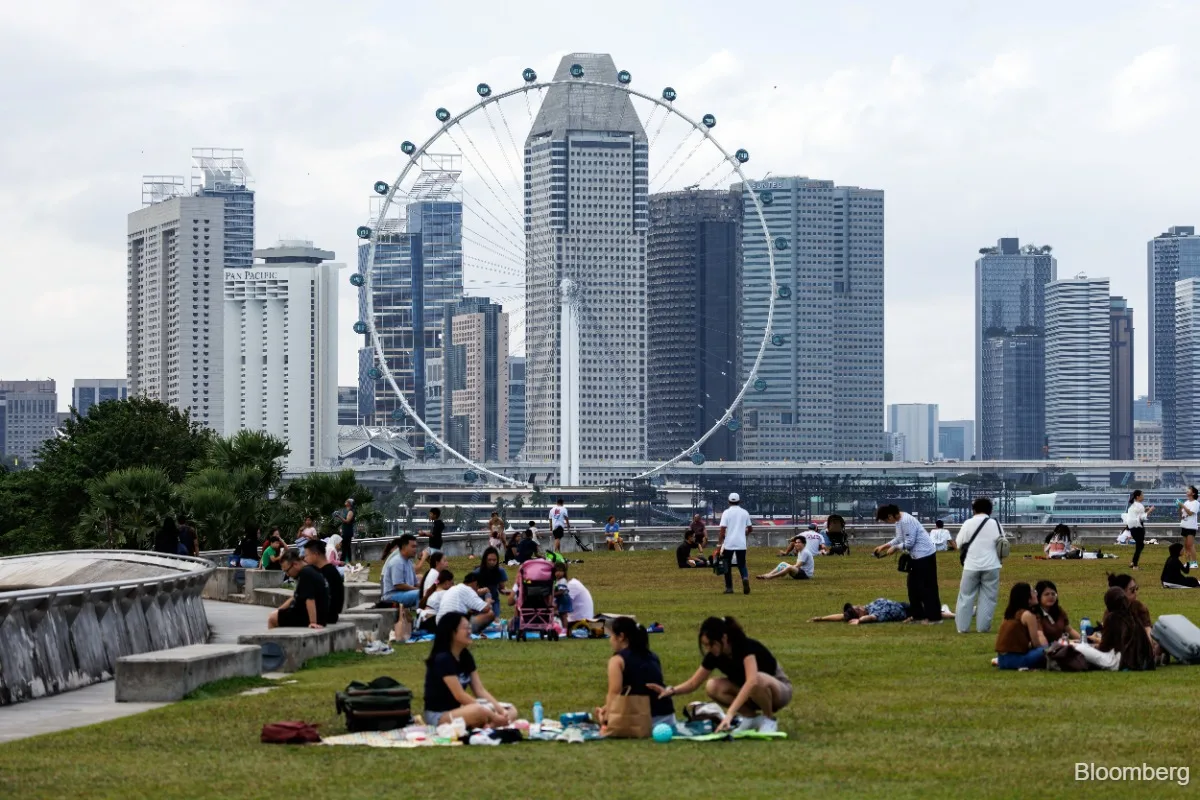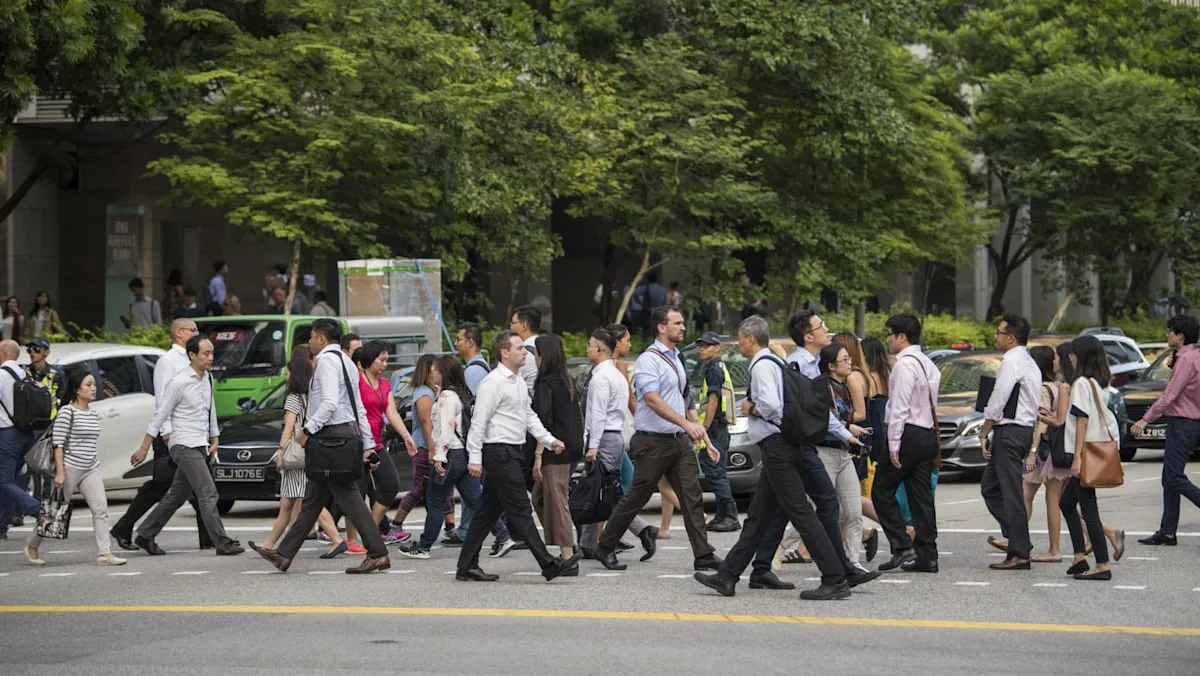
Singapore’s core inflation increased to 1.6% year-on-year in June 2026, up from 1.4% in May, while overall inflation rose to 1.9% from 1.8%, driven mainly by higher accommodation costs and core inflation gains [1, 2, 3]. Food inflation climbed to 2.1% in June from around 1.8% in May, and services inflation grew to 1.5% from 1.3%, buoyed by rising airfares and holiday expenses [1, 2, 4, 5, 6, 3]. Retail and other goods prices edged up slightly to 1.7% from 1.6% [1, 2, 4, 6, 3]. Accommodation inflation rose to 0.6% from 0.5%, primarily due to increasing housing rents [1, 2, 4, 6, 3]. Meanwhile, private transport inflation declined marginally to 8.4% from 8.6% amid smaller petrol price increases [1, 2, 4, 6, 3], and electricity and gas prices continued falling but at a smaller rate of 2.9% decline compared to 3% in May [1, 2, 4, 6, 3].
The Monetary Authority of Singapore (MAS) and Ministry of Trade and Industry noted that higher global energy prices between April and mid-June will impact the regulated quarterly electricity tariff starting July 2026, with a 17% tariff hike already implemented for Q3 2026, adding inflationary pressure [1, 2, 4, 5, 6, 3]. They cautioned that risks from slower global energy supply resumption or supply chain shortages could further raise imported costs but highlighted downside risks if tighter global financial conditions slow economic activity [2]. Despite these costs, Singapore’s economy grew 5.7% year-on-year in Q2 2026 even amid Middle East tensions [5]. Low-income households faced lower inflation of 1.2% in H1 2026 compared to middle and high incomes at 1.8% and 1.6%, partly due to subsidies and education support [3].
Japan’s core inflation (excluding fresh food) rose to 1.6% year-on-year in June 2026, its first gain in three months, while headline inflation climbed to 1.7% [7, 8, 9, 10]. The 'core-core' inflation rate, excluding fresh food and energy, edged slightly down from 1.8% in May to 1.7% in June, according to some sources, while others reported it as stable at 1.7% [7, 8, 9, 10]. Producer prices surged 7.1% in June, the highest since March 2023, reflecting spikes in energy costs [7]. Japan’s petroleum import values jumped over 59% year-on-year in June amid rising costs [7]. The yen weakened to around 163.8 per USD in late June, near 40-year lows, further boosting import inflation [7, 10].
The Bank of Japan (BOJ) raised interest rates to a 31-year high recently and remains alert to upside inflation risks that could prompt faster rate hikes than markets expect [7, 8, 9, 10]. Inflation pressures include rising food, fuel, housing repair, and insurance costs [10].
Singapore and Japan will report updated data and outlooks after the implementation of Singapore’s electricity tariff increase and as BOJ signals future monetary policy moves amid persistent inflation risks [1, 2, 4, 5, 3, 7, 10].