Singapore's National Environment Agency (NEA) announced on May 28, 2026, it will extend emission limits for hydrofluorocarbon gases (HFCs) to large commercial refrigeration systems and vehicle air-conditioning units [1, 2, 3].
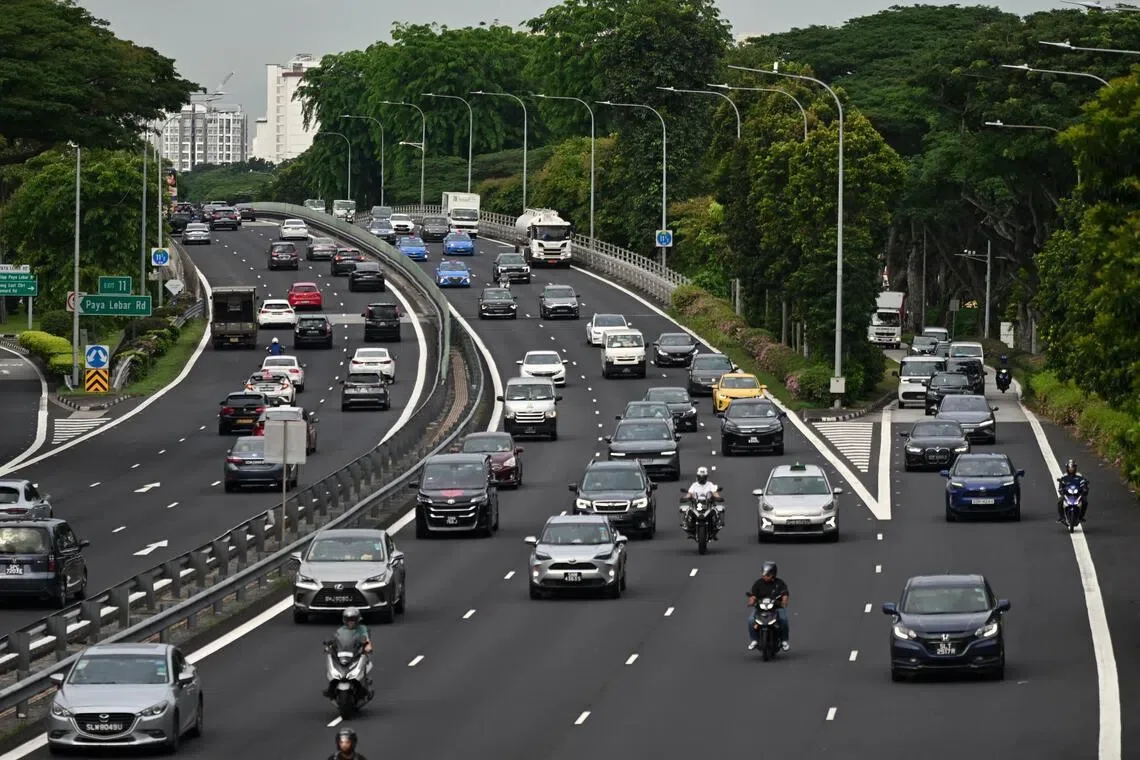
Starting July 2027, new centralized commercial refrigerators, such as those commonly used in supermarkets, must use refrigerants with a global warming potential (GWP) capped at 150 [1, 2, 3]. One year later, from July 2028, the same GWP limit will apply to air-conditioning systems in new passenger cars and light goods vehicles sold in Singapore [1, 2, 3].
The NEA explained the later implementation date for vehicle air-conditioning allows suppliers time to adapt, as models using lower-GWP refrigerants are not yet widely available. It said, "This later start date gives vehicle suppliers more time to adjust, as some models using lower-GWP refrigerants are not yet widely available. The GWP limits are aligned with standards already adopted in markets such as the EU and Japan, where low-GWP alternatives are available" [1].
These emission limits only apply to new equipment placed on the market, permitting businesses to continue operating their existing refrigeration and air-conditioning systems until the end of their service life [1, 2, 3].
In addition, from July 2027 more companies involved in dismantling refrigeration and air-conditioning equipment must register with NEA and follow formal disposal protocols to ensure proper handling of HFCs [1, 2, 3].
This 2026 extension builds on the NEA's 2022 measures that introduced similar GWP limits for household air-conditioners, refrigerators, and water-cooled chillers [1, 2, 3].
The new rules bring Singapore's HFC emission controls for commercial and vehicle air-conditioning in line with regulations already enforced in major markets including the EU and Japan [1, 2, 3].