Singapore’s Ministry of Law proposed new amendments to reduce consent thresholds for en bloc sales of older condominiums, aiming to revive a slow market since the last boom in 2018. The changes target developments aged 40 to 59 years, lowering the required consent from 80% to 70%, and those aged 60 years or older, dropping the threshold from 80% to 65%. The amendments were introduced in Parliament on August 4, 2026 [1, 2, 3, 4, 5, 6].
The current consent requirements, established in 1999, remain unchanged for newer developments. Estates under 10 years old still require 90% owner consent, while those between 10 and 39 years old retain the 80% threshold [1, 2, 3, 4, 5, 6]. Approximately 360,000 private non-landed residential units in Singapore are below 40 years old, compared to 20,000 units that are older than 40 years [6].
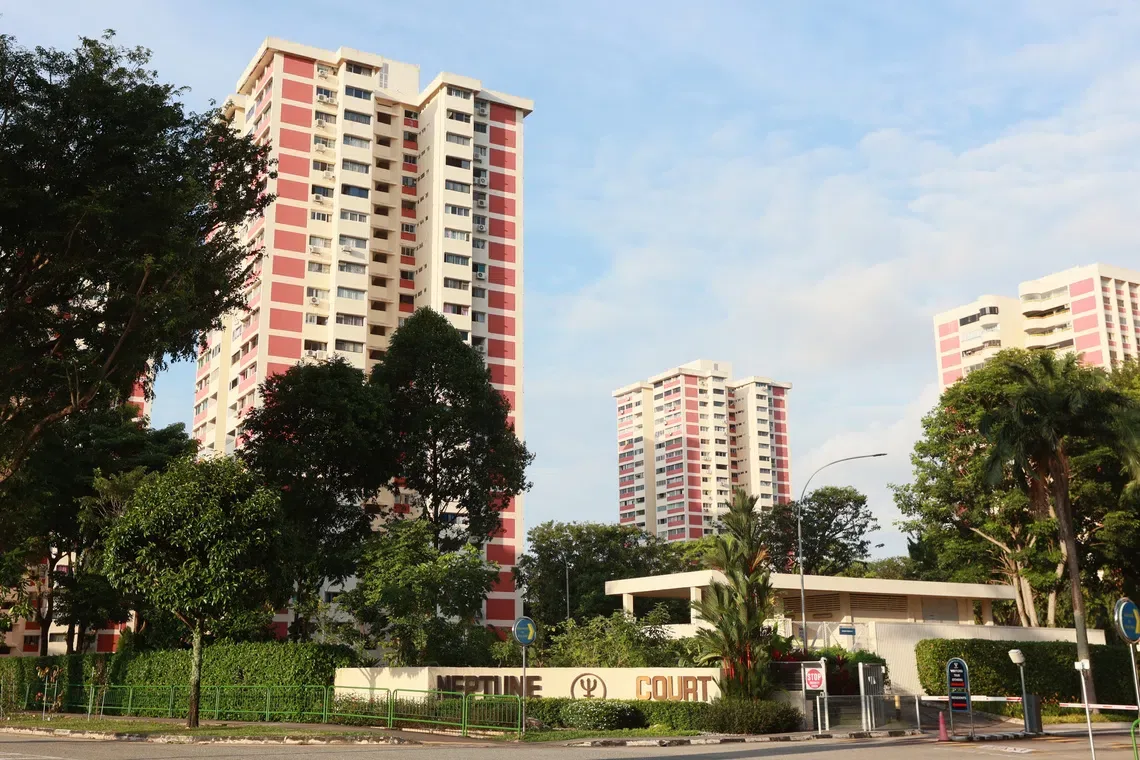
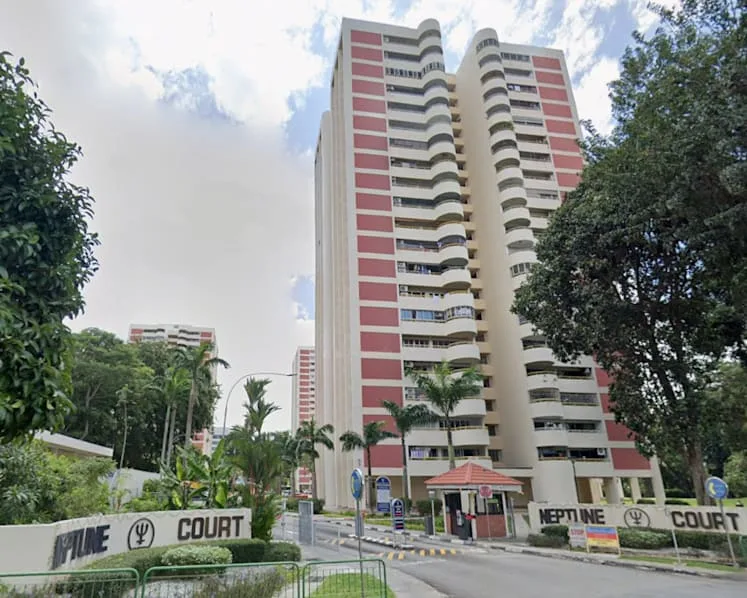
The amendments also extend collective sale rules to non-strata-titled private residential developments. Currently, such developments require unanimous owner agreement for sales and include properties like Neptune Court, One Tree Hill Mansions, Paterson Court, Orchard Court, and Townhouse Apartments [2, 3, 4, 5, 6]. Under the new regime, non-strata developments with flat leases shorter than 850 years will be eligible for majority-consent sales, relaxing the current requirement that only leases of 850 years or more qualify [2, 3, 4, 5, 6].
The proposed changes include stronger safeguards for owners who oppose en bloc sales [1, 2, 3, 4, 5, 6]. The government noted many older developments now require significant investment in maintenance, repairs, or upgrading to remain safe and habitable [1, 2, 3, 4, 5, 6]. Lowering consent thresholds aims to assist these aging estates by facilitating collective sales more easily.
The bill’s introduction on August 4 marks the next step in legislative debate and review [1, 2, 3, 4, 5, 6].