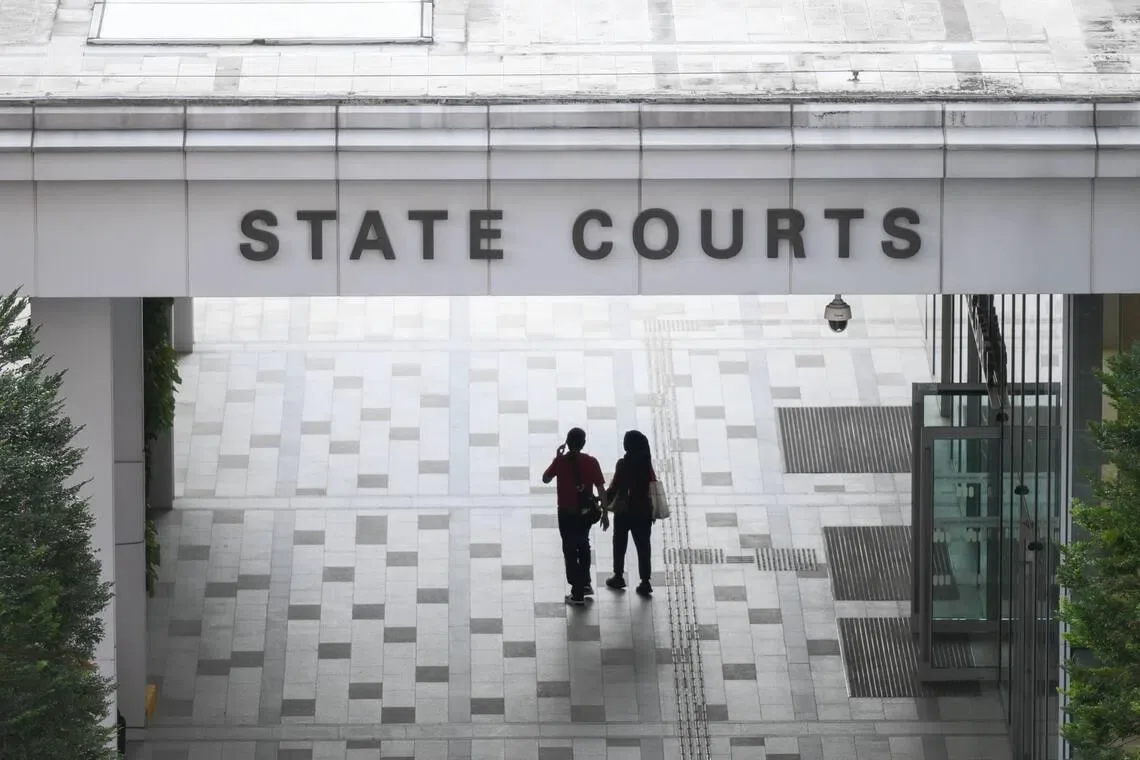
A maid agency in Singapore was ordered by the Small Claims Tribunals to compensate a bedridden elderly woman $1,558 for misrepresenting a foreign domestic worker's ability to speak Mandarin [1, 2, 3].
The elderly woman, who was bedridden due to stroke and Parkinson’s disease, spoke mostly Mandarin and required a helper fluent in the language to care for her [1, 2, 3]. In November 2024, her son contacted the agency seeking a domestic worker experienced with disabled elderly persons and proficient in Mandarin [1, 2, 3].
The agency recommended a Myanmar helper and provided a biodata sheet and video that described her spoken Mandarin skills without any qualifications [1, 2, 3]. The son interviewed the helper via video call and selected her, believing she could speak Mandarin [1, 2, 3].
The helper arrived at the family home on December 11, 2024, but was found to barely speak or understand Mandarin [1, 2, 3]. The son informed the agency, which responded with a WhatsApp message: “(f)resh they Mandarin very simple, pls give her some time for her. if dun understand can use the goegle translation first (sic)” [1].
The son tried to teach the maid and used translation apps for about a week, but the arrangement was impractical because the elderly woman could not use a mobile phone or translation software [1, 2, 3].
Tribunal magistrate Leon Abraham Tan ruled the agency’s misrepresentation amounted to an unfair practice under the Consumer Protection (Fair Trading) Act [1, 2, 3]. He said the woman “could not communicate with her own caregiver,” ordering the agency to pay $1,558 in compensation [1].