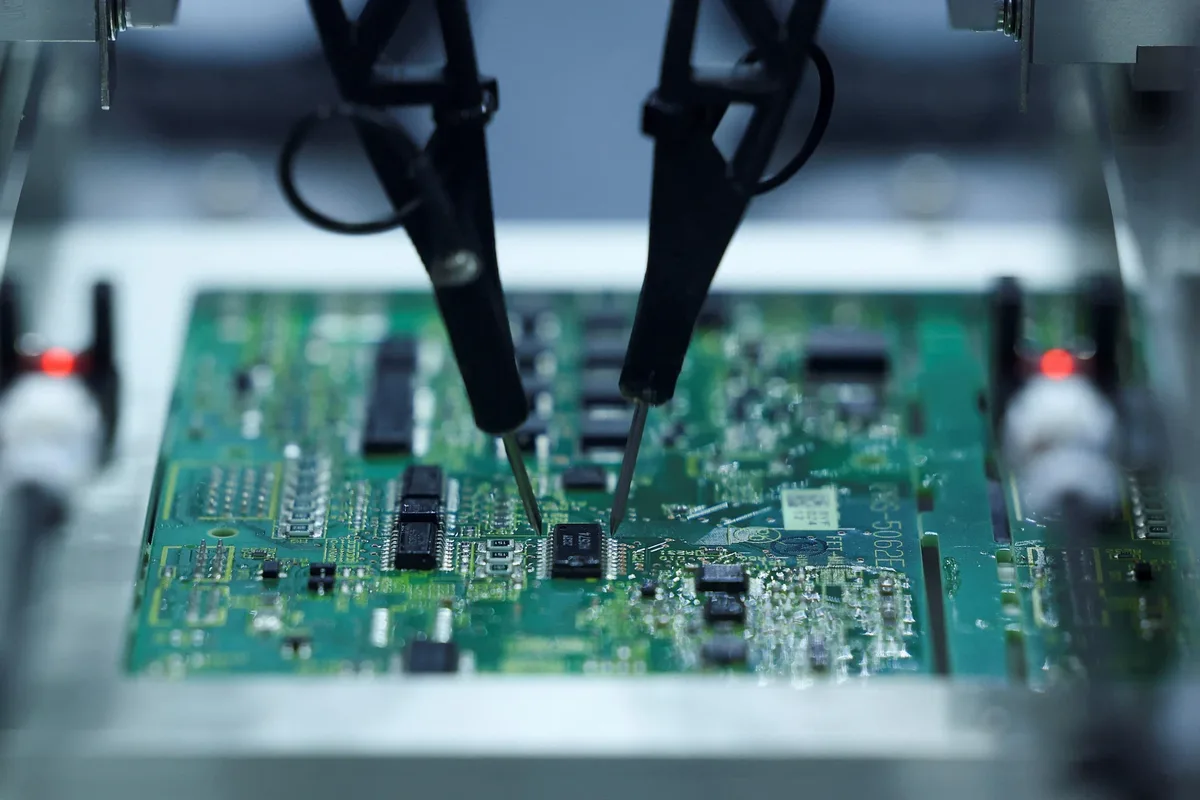
Singapore produces about one in every 10 semiconductor chips globally and contributes around one-fifth (20%) of the global semiconductor equipment output, making it a key player in the industry worldwide [1, 2]. The semiconductor sector adds roughly 6% to Singapore's gross domestic product and employs more than 35,000 workers [1, 2].
The country's semiconductor ecosystem covers the full value chain, including chip design, manufacturing, packaging, testing, and equipment production [1]. Major global chipmakers such as Broadcom, Marvell, Qualcomm, MediaTek, GlobalFoundries, Micron, and UMC operate within Singapore [1]. Additionally, Singapore hosts four of the world’s top 10 outsourced semiconductor assembly and test providers [1].
Singapore focuses mainly on mature and specialty semiconductor technologies rather than cutting-edge chips below three nanometres, which remain predominantly manufactured in Taiwan and South Korea, said Mr Ang Wee Seng, executive director of the Singapore Semiconductor Industry Association. He noted that Singapore has carved out a niche in these mature segments [1].
Recent data show electronics shipments, led by semiconductor chips, have grown to form a larger share of Singapore’s exports in early 2026 [2]. In March 2026 alone, semiconductor chip exports accounted for S$1.7 billion of the S$3.1 billion total electronics exports [2]. This surge followed strong year-on-year growth in Singapore’s electronics non-oil domestic exports, which more than doubled from 23.4% in the fourth quarter of 2025 to 57.8% in the first quarter of 2026, driven by artificial intelligence demand [2].
Morgan Stanley economists noted on May 20, 2026, that while semiconductor exports accelerated into the second quarter, non-tech exports also showed sustained broad-based strength. They attributed the export recovery partly to a strong capital expenditure cycle [2].