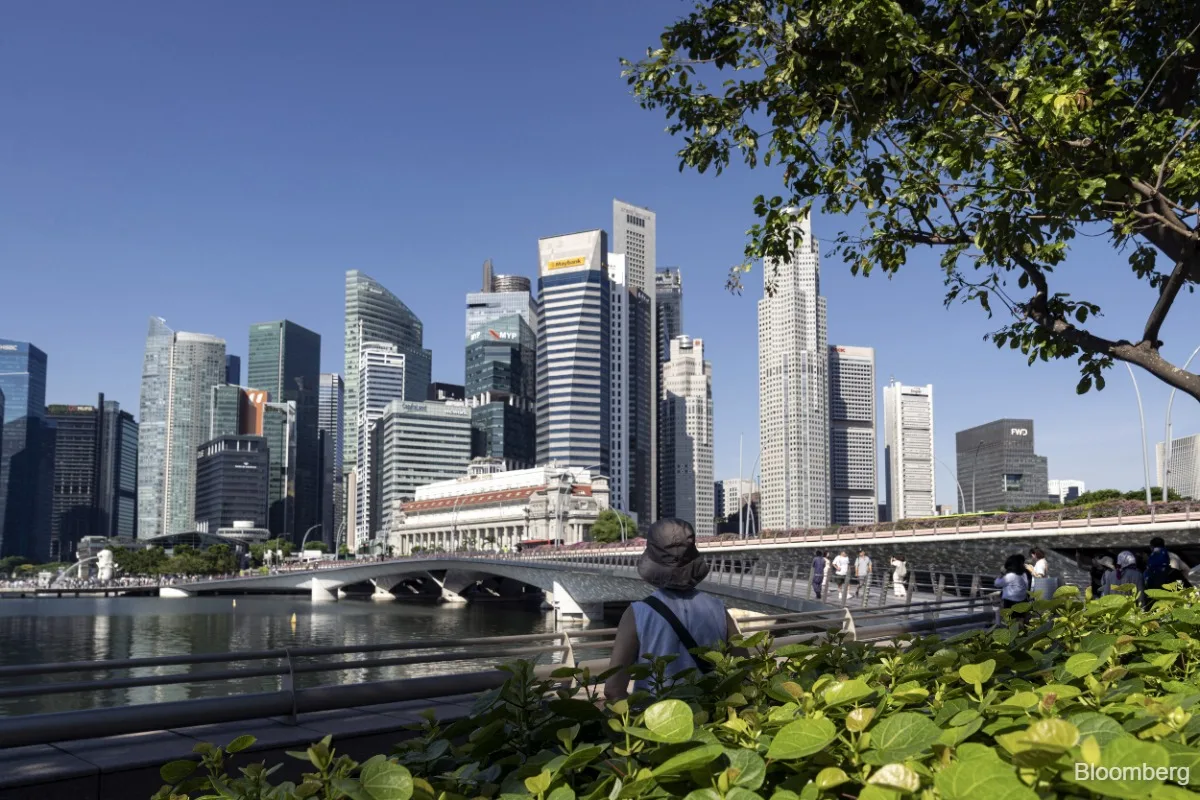
Singapore has ranked fifth among the world's top financial centers, up from ninth place in 2015, according to London-based think tank New Financial [1, 2, 3, 4]. It surpassed China and Luxembourg in the latest rankings while the United States, the United Kingdom, and Hong Kong remain the top three financial hubs [1, 2, 3, 4].
By the end of 2025, Singapore’s asset management size reached approximately 6.7 trillion Singapore dollars (about 5.2 trillion U.S. dollars), an indicator of its growing financial clout [2, 3, 4]. The city-state steadily attracted foreign bank assets and direct investments, helped by policy changes elsewhere and migration of wealth to its shores [1, 2, 3, 4].
Global banks, including JPMorgan Chase, are expanding their operations in Singapore to tap into the expanding wealth management market, reinforcing its position as a regional hub [2, 3, 4]. The Singapore Financial Authority is working closely with private banks to shorten account opening times for wealthy clients to about one month by adopting a "risk-based" approach. The authority’s chief, 谢啇真, said the "Private Banking Industry Group" is exploring how to improve efficiency while maintaining strong regulatory standards [2, 4].
Singapore’s ascent in the rankings reflects substantial growth over the past decade. In 2015, it ranked ninth among global financial centers and has steadily climbed to fifth place today [1, 2, 3, 4].
On May 25, 2026, Singapore Financial Authority's chief announced these cooperation efforts with private banks at the UBS Asia Investment Forum [2].