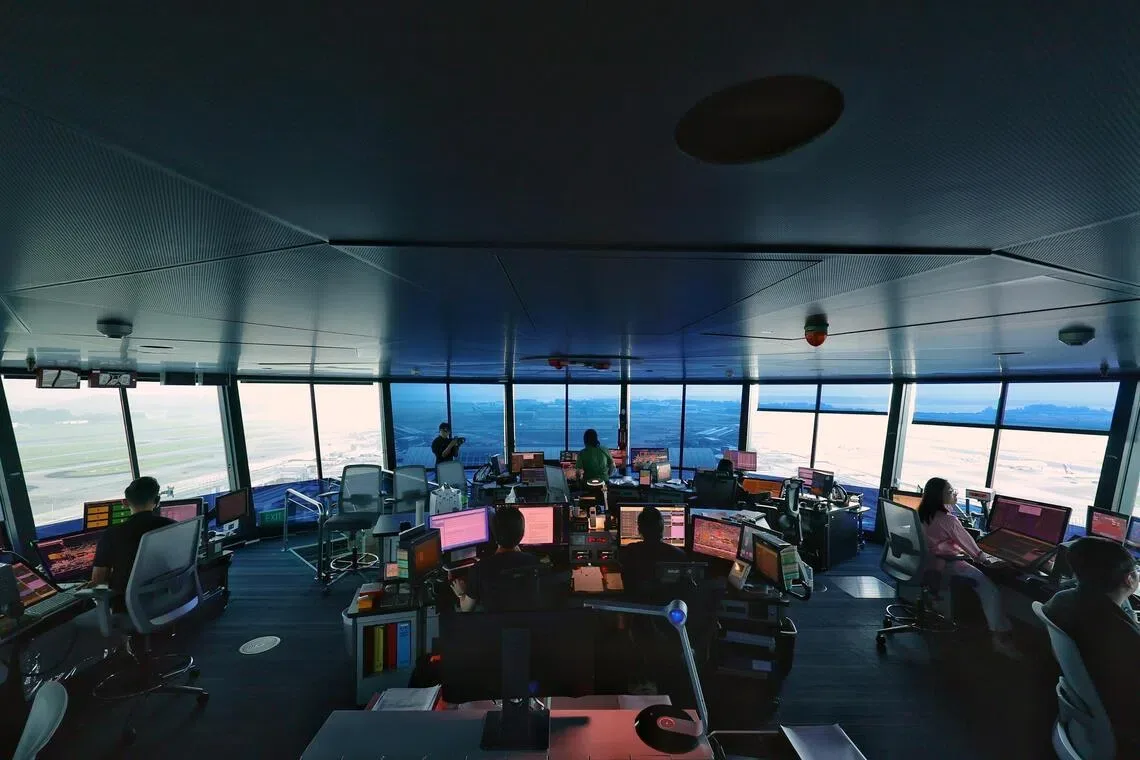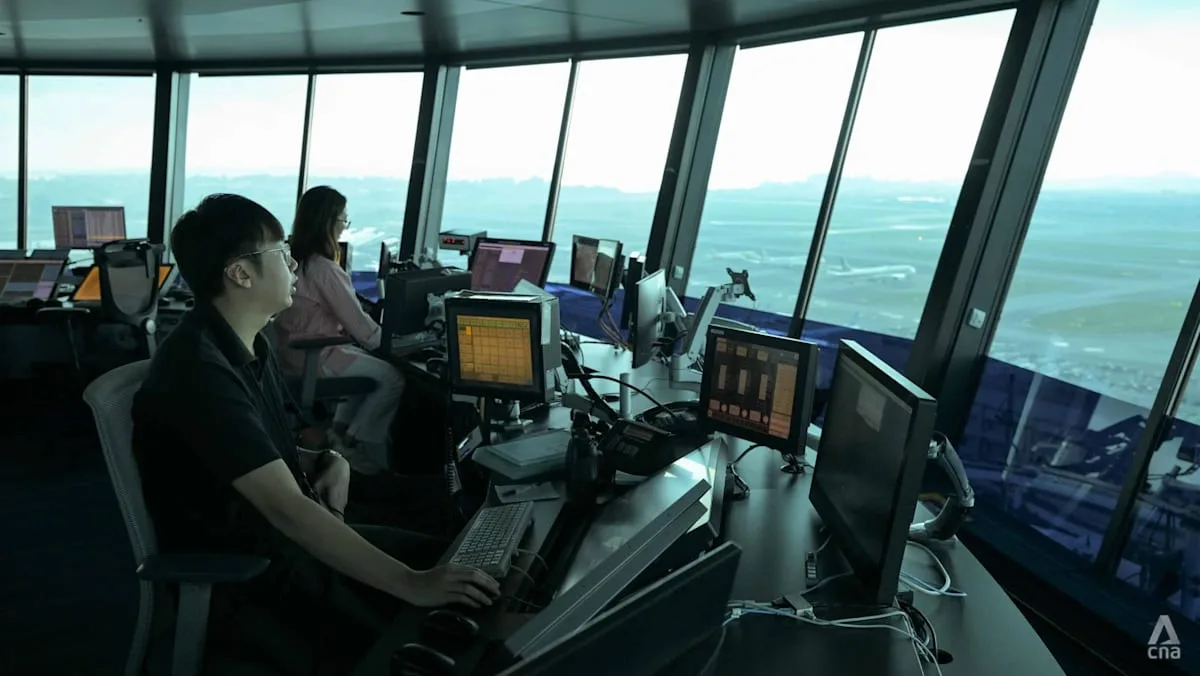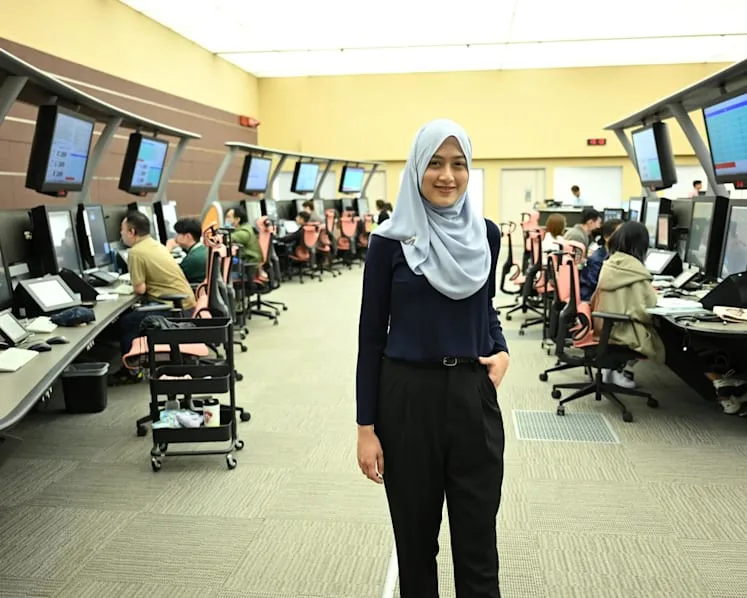
The Civil Aviation Authority of Singapore (CAAS) announced plans to increase its air traffic controller workforce by 40%, from roughly 500 to around 700 officers by the mid-2030s, in preparation for the opening of Changi Airport Terminal 5 [1, 2, 3].
Since June 1, new air traffic controller recruits receive a S$20,000 sign-on bonus paid in two equal instalments: after completing a 10-month theory and simulator training course and after licensing, usually 18 months after recruitment [1, 4, 5, 6, 2, 3]. This bonus supplements an existing starting salary of about S$64,000 per year for university graduates and S$49,000 for diploma holders [1, 4, 5, 6, 2, 3]. Licensed controllers can earn up to S$120,000 annually after five years of experience [1, 4, 5, 6, 2, 3]. All licensed controllers receive the same pay regardless of education level [2, 3].
The recruitment is part of a broader S$4 billion, 15-year air navigation upgrade budget, of which S$500 million is allocated to manpower initiatives, including hiring and training 200 new controllers [1, 4, 5, 6, 2, 3]. The remaining funds will upgrade systems and infrastructure to improve air traffic control capabilities [1].
Additional talent efforts include an undergraduate air traffic control scholarship introduced in March and a management associate programme launching in August for fresh graduates [4, 5, 6, 2, 3].
CAAS handles about 2,000 daily flights, including 1,000 to and from Changi Airport, amid projections that Asia-Pacific air passenger volume will nearly triple over the next 25 years [1].
CAAS director-general Han Kok Juan said, "Air traffic controllers are the bedrock of Singapore’s air navigation services" and stressed the need to "build capacity and capabilities to better manage our skies that match investments in airport infrastructure on the ground." He also noted, "The outlook for this year remains uncertain, given what is happening around the world. But beyond the immediate uncertainty, the future of aviation is bright, and we are confident that aviation will continue to grow in the years ahead." [1, 4]
The air traffic control workforce expansion targets the mid-2030s, aligned with the scheduled opening of Changi Airport Terminal 5 [1, 2, 3].