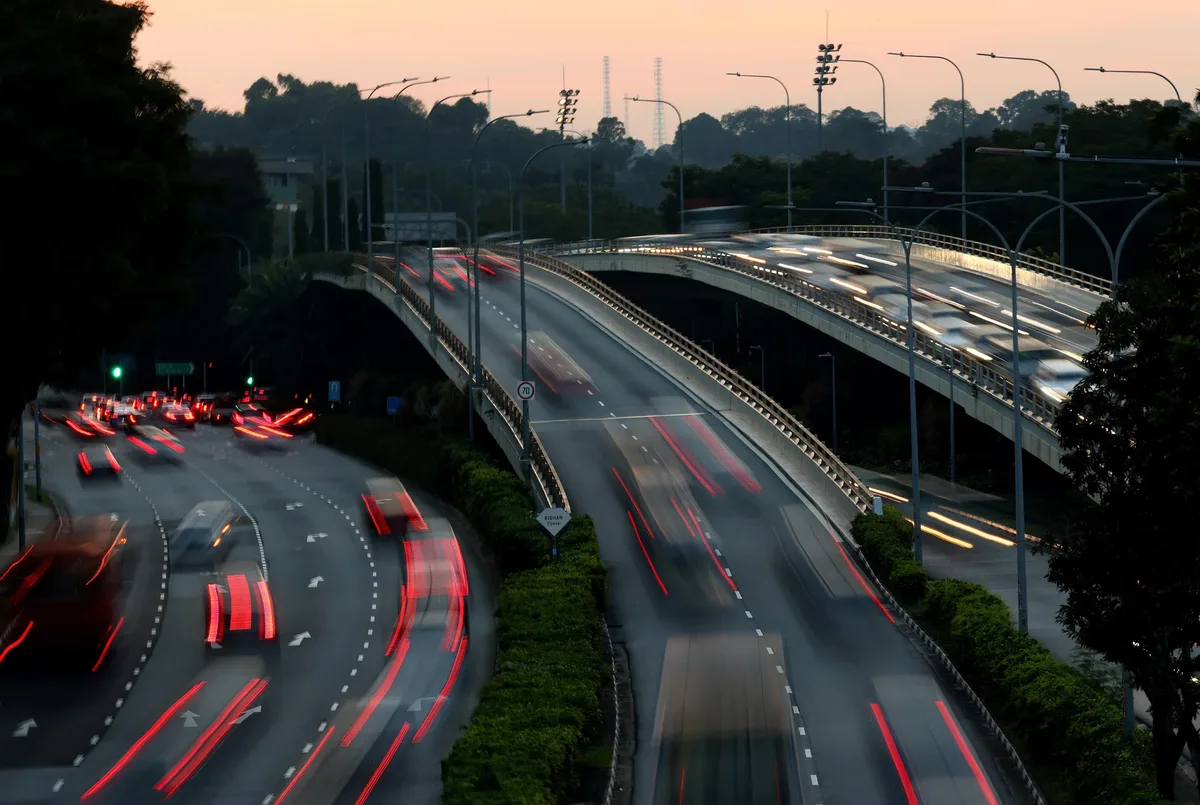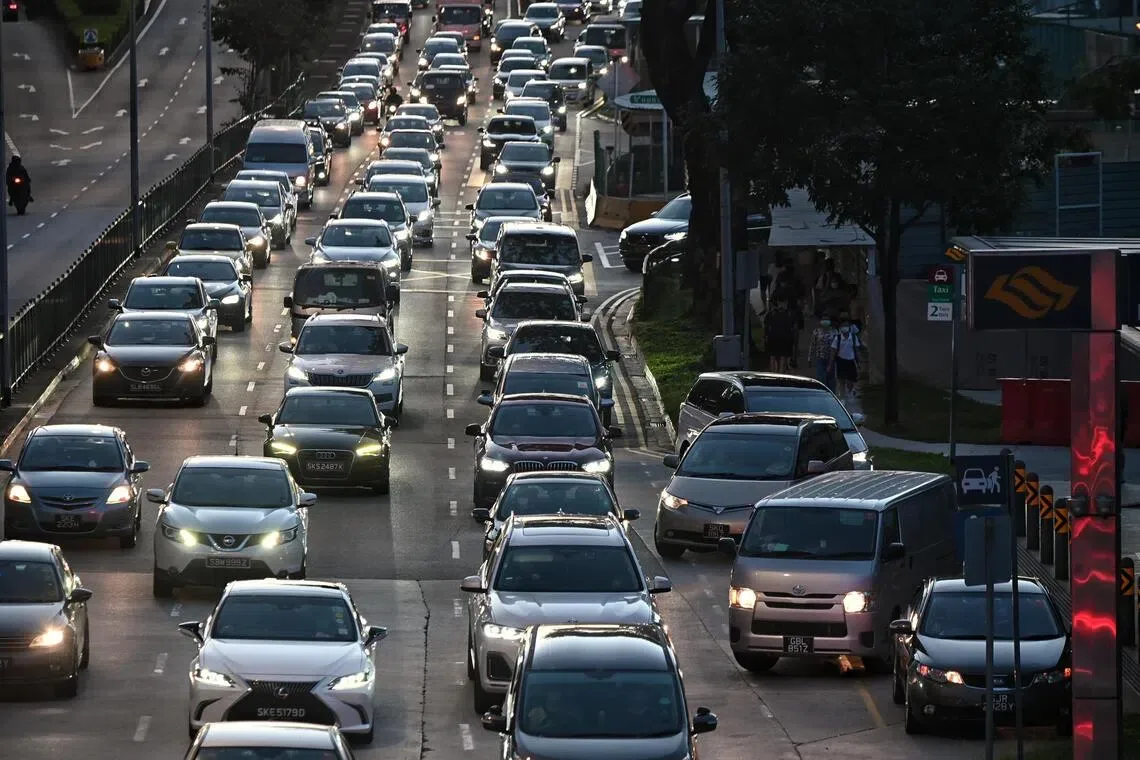
Singapore's private car population stood at 516,237 units at the end of June 2026, marking the lowest level since 2019, according to Land Transport Authority data released on July 24, 2026 [1, 2]. The total number of cars on the road reached 653,442 units, with rental cars making up a record high of 97,567 units, or 14.9% of the total fleet [1, 3].
Private cars accounted for 79% of the total car population in June 2026, down from 82.5% in 2021 when the total car population was 645,150 units [1, 4]. The share of rental cars meanwhile rose from 10.5% (67,990 units) in 2021 to 14.9% by mid-2026 [1, 4].
Within the rental category, ride-hailing or chauffeured vehicles declined slightly from 62,092 at the end of 2025 to 61,250 units as of June 2026. Meanwhile, self-drive rental cars increased from 33,765 to 36,317 units over the same period [1, 3].
Walter Theseira, a transport economist at the Singapore University of Social Sciences, noted, "The high cost of buying a car means that for those who need to drive only occasionally, renting when they need one makes economic sense." This shift partly explains the growth in rental cars as some motorists seek alternatives to owning private vehicles [1].
Adrian Lee, president of the Vehicle Rental Association, said demand for rentals has been rising but companies remain cautious about rapid expansion due to uncertainty over future Certificate of Entitlement (COE) prices, which affect vehicle registration costs in Singapore [1].
A Land Transport Authority spokesperson said more data needs to be tracked over time to understand commuter preferences. This includes monitoring trends in public transport ridership, point-to-point trips, and other shared transport options such as bicycles and shared cars [1].
The next quarterly update on Singapore's car population and rental statistics is expected in late 2026, providing further insights into the evolving mix of private ownership and rental usage.