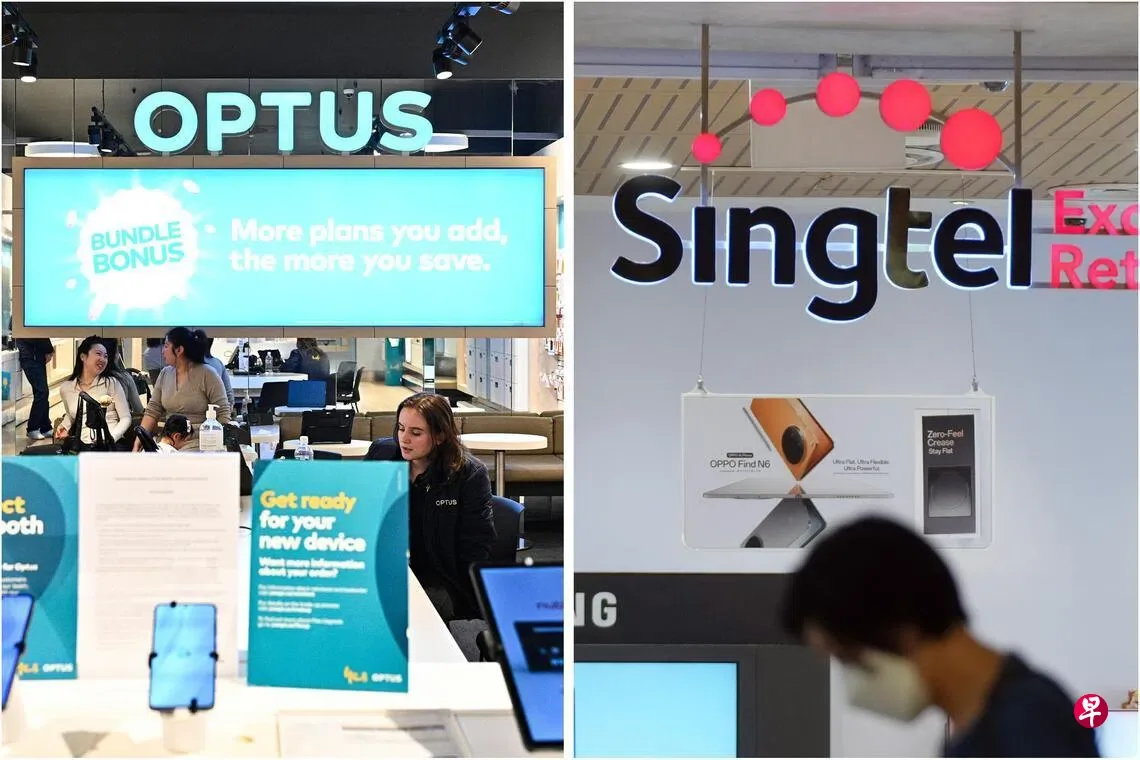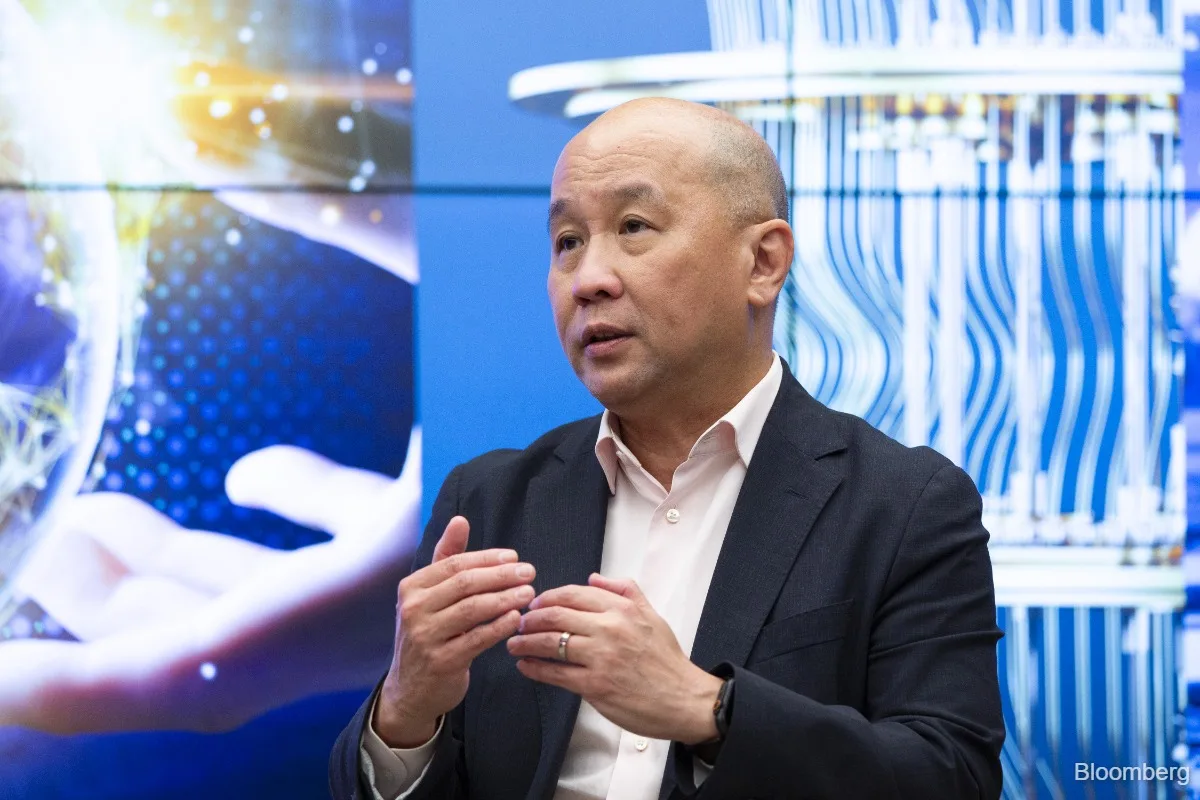
Singtel reduced CEO Yuen Kuan Moon’s pay by about 17% to S$6.8 million (US$5.3 million) for the financial year ended March 31, 2026, down from S$8.2 million the previous year [1, 2, 3, 4]. The pay cut followed significant network outages including a fatal emergency call outage at Optus in Australia in September 2025 and multiple disruptions in Singapore in March 2026 [1, 2, 3, 4].
The Optus outage blocked emergency Triple Zero calls, resulting in two deaths and prompting an independent review that recommended 21 changes [1, 4]. In Singapore, the largest outage occurred on March 16, 2026, lasting over six hours and impacting about 600,000 customers [1, 2, 4]. Singtel’s board explicitly considered both the Optus Triple Zero incident and the Singapore outages when deciding executive remuneration [1, 4].
Other top executives at Singtel also saw pay cuts, with total remuneration dropping about 12% to S$25.9 million for the year [1, 2, 4]. Despite the outages and pay reductions, Singtel's net profit for FY2026 rose 39.5% to roughly S$5.6 billion, boosted by gains from asset sales including Airtel shares [2, 3, 4]. Underlying net profit increased 12% to S$2.8 billion [3, 4].
Singtel has reached about S$6.8 billion in asset recycling towards its mid-term target of S$9 billion following recent sales, such as shares in Gulf Development [2, 4]. After the pay cut announcement, Singtel’s share price dipped slightly by 0.2% to S$0.45 [2, 4].
In a joint statement, Singtel Chairman Lee Theng Kiat and CEO Yuen Kuan Moon said the group’s "geographical diversification and strong fundamentals serve as advantages that position us to navigate macro and market headwinds" [1]. The company added that the board took the network incidents into account when assessing CEO remuneration and remains focused on restoring customer trust and strengthening operational resilience [4].
Singtel released its annual report announcing the pay cuts and executive remuneration changes on June 30, 2026 [1, 2, 3, 4].