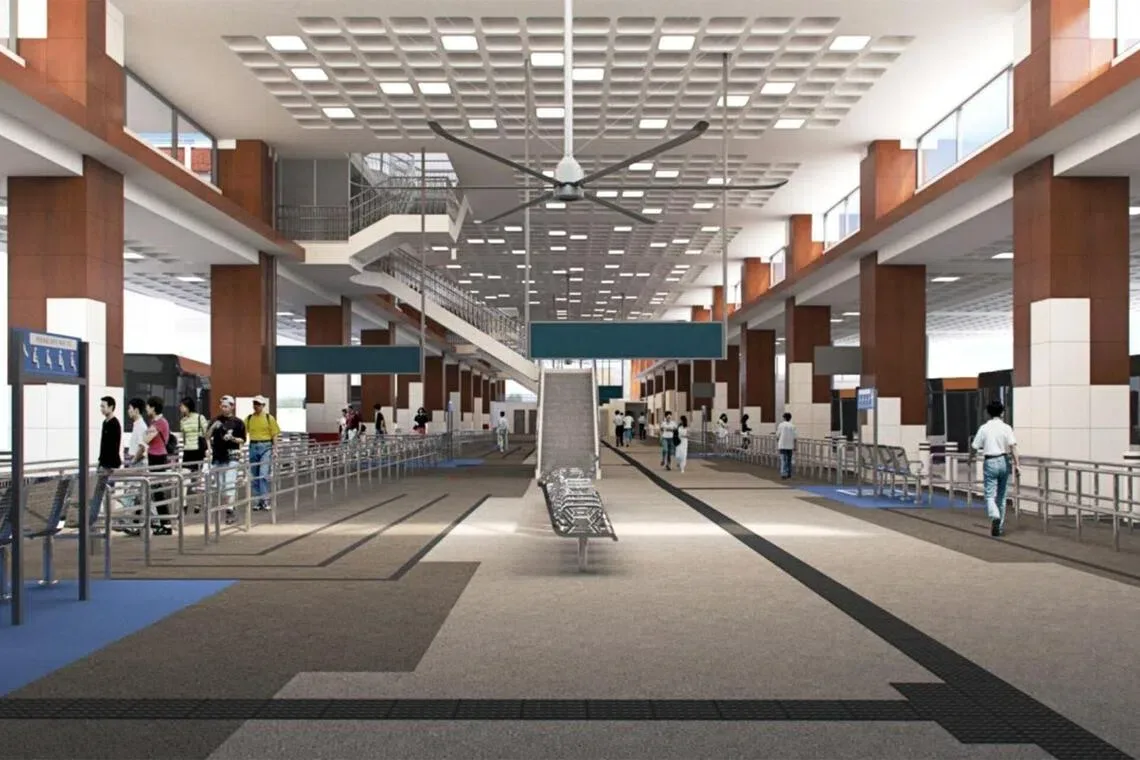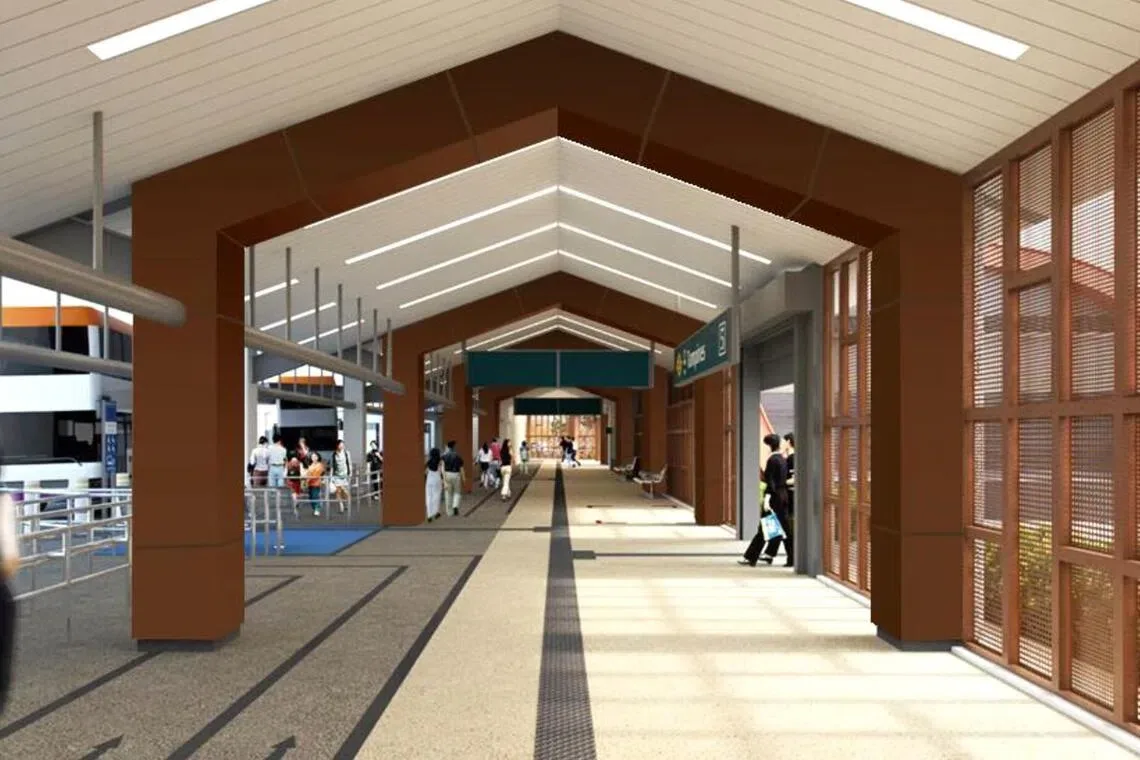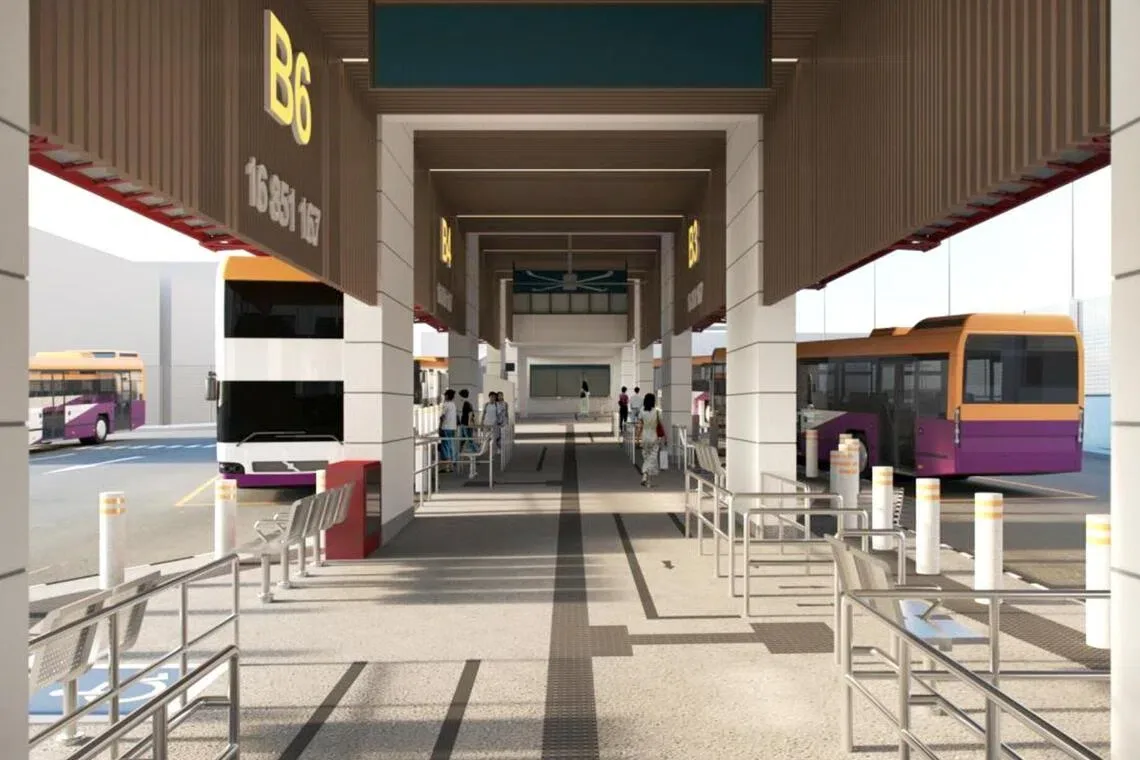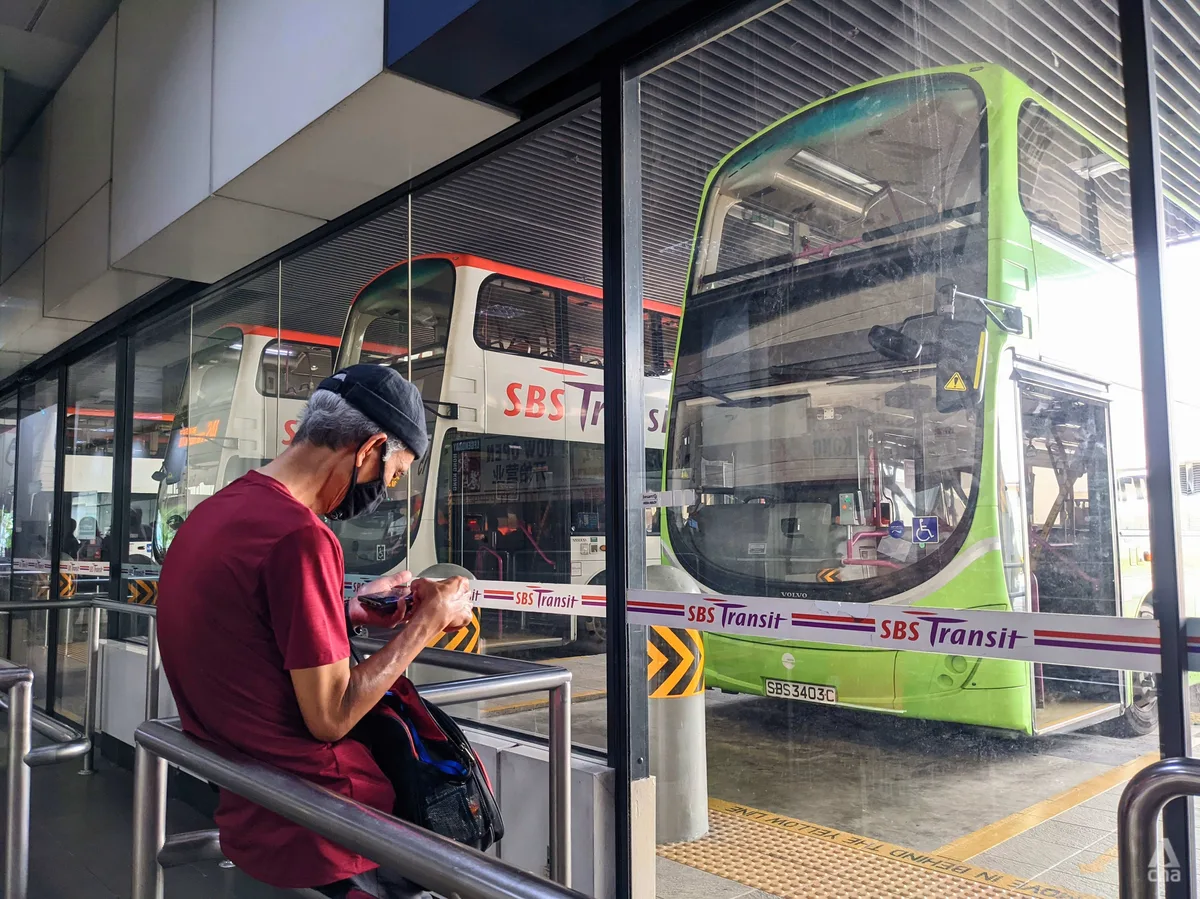
Starting in 2027, six bus interchanges in Singapore will undergo upgrading works to improve lighting, air-conditioning, ventilation, accessibility, and inclusiveness. The interchanges set for enhancement are Bishan, Bukit Batok, Bukit Merah, Eunos, Punggol, and Tampines [1, 2, 3, 4, 5].
The upgrades will include replacing and improving air-conditioning and ventilation systems as well as lighting to boost passenger comfort and energy efficiency. Inclusive facilities will be enhanced with new baby care and family washrooms, tactile guided paths, Braille signs on handrails, wheelchair-accessible toilets, priority queue zones, and additional seating [1, 2, 3, 4, 5]. Priority queue zones are designated waiting areas near boarding berths for elderly, pregnant women, families with strollers, and persons with disabilities [1, 2, 3, 4, 5].
Staff facilities such as passenger service offices and lounges will also be refurbished to better support front-line workers at these interchanges [1, 2, 3, 4, 5]. The works will be carried out in phases to minimize disruption to bus services [1, 2, 3, 4, 5].
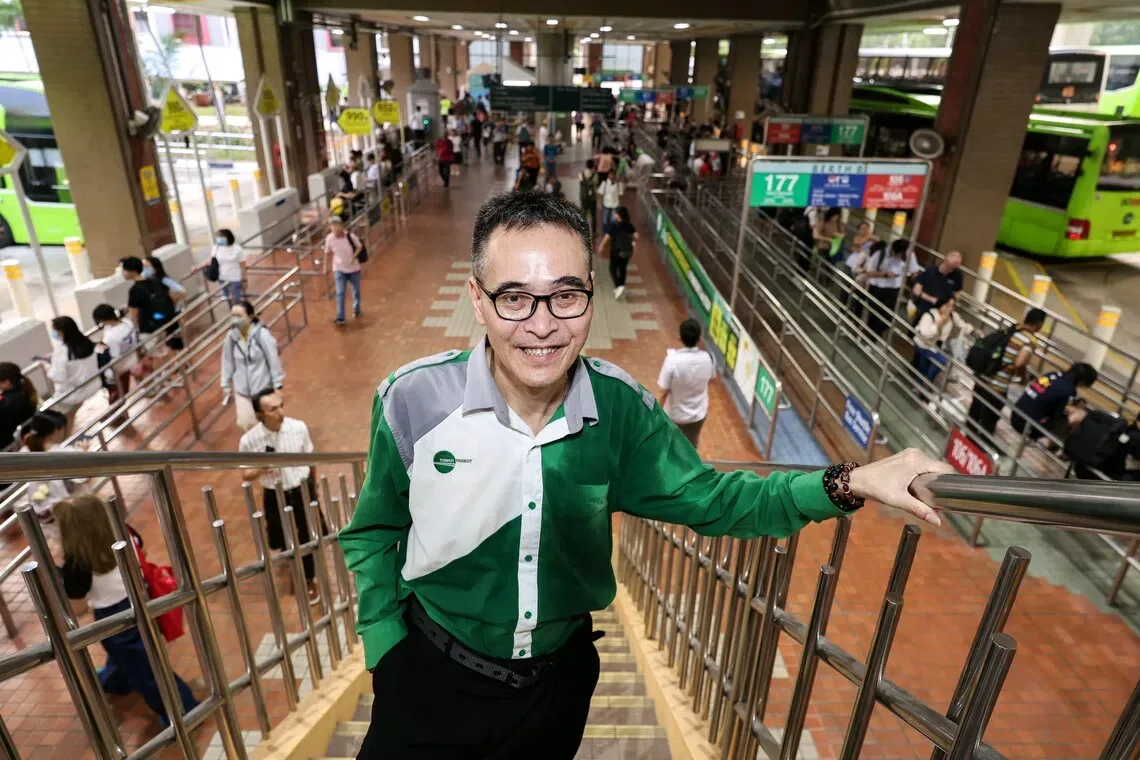
Senior Minister of State for Transport Murali Pillai noted that Bukit Batok Bus Interchange, which has been operating since 1987, is overdue for an upgrade along with the other five interchanges. He said commuters "when the works are completed in a matter of few years, they can look forward to the enhanced facilities that will take care of their needs, well into the future" [4, 5]. He also warned passengers to expect some inconveniences during the works but reassured them of improved facilities once the upgrades finish [4, 5].
These upgrades form part of the Bus Connectivity Enhancement Programme, which calls for adequate facilities at interchanges aligned with increased bus service levels [4, 5]. Local commuters expressed support for improvements to priority waiting areas, citing limited seating availability at present [4, 5].
Upgrading works began in August 2024 at seven other bus interchanges — Ang Mo Kio, Bedok, Boon Lay, Clementi, Sengkang, Serangoon, and Toa Payoh — at a cost of around S$105 million. These are on track for completion by 2027 [1, 2, 3].