South Korea implemented a regulation on August 19, 2026, mandating that investors complete a five-day simulated trading course before trading leveraged ETFs linked to Samsung Electronics and SK Hynix [1, 2, 3]. The course requires users to download a Windows-only program and spend at least one hour daily practicing with virtual cash of 100 million won (about US$72,872) to understand the risks and volatility decay of leveraged products [1, 2, 3].
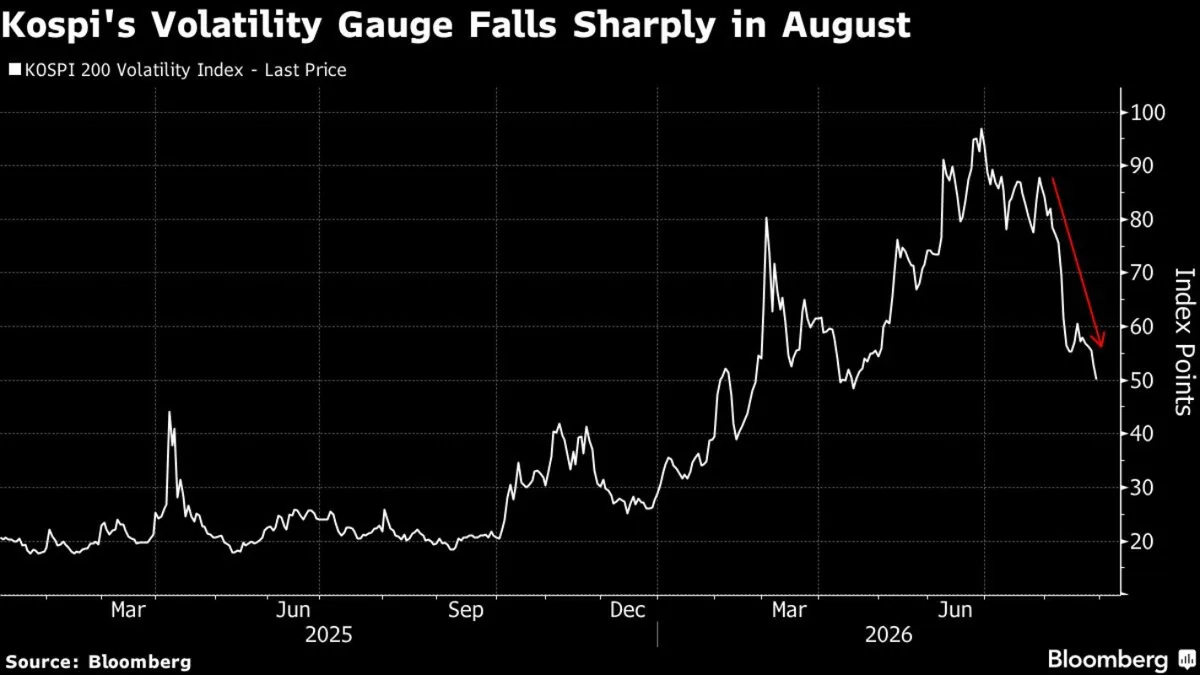
The leveraged ETFs were introduced in May 2026 to attract retail money but quickly became controversial due to large volatility. At their peak, the leveraged ETFs and the two chip stocks accounted for over 80% of South Korea's stock market turnover, which is valued at approximately US$4.3 trillion as of August 2026, resulting in wild price swings [1, 2, 3].
Initial regulatory curbs in July raised the minimum deposit requirement to 30 million won. The August simulated trading mandate aimed to reduce retail investor risk exposure while addressing market stability [1, 2, 3].
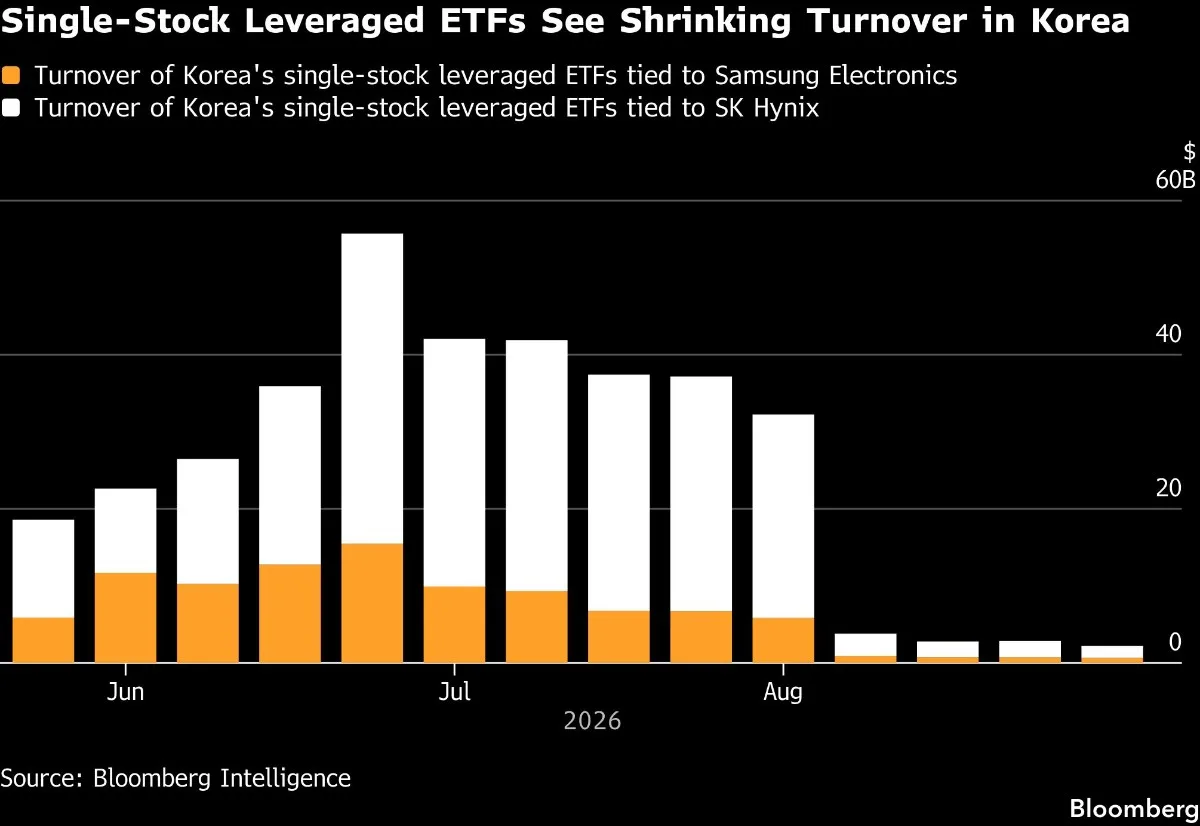
Since the new rules took effect, trading value of these leveraged chip ETFs collapsed to just 4% of their June peak and is set for its first monthly outflow since launch [1, 2, 3]. Retail investors have voiced frustration, citing practical difficulties with the new requirements. Investor Kim Jung-hoon, 41, said, "The hours sound long and you can only download the program on PCs. My work computer can’t download external programs. It doesn’t sound easy to bring an extra laptop with me to work." He added, "It was too much of a hassle. I would not even attempt the mandatory mock trading" [1, 2].
The measures follow concerns that volatile trading in leveraged chip ETFs was destabilizing the market. Policymakers plan to monitor the impact of these rules on trading activity and investor protection. No further regulatory changes are scheduled at this time [1, 2, 3].