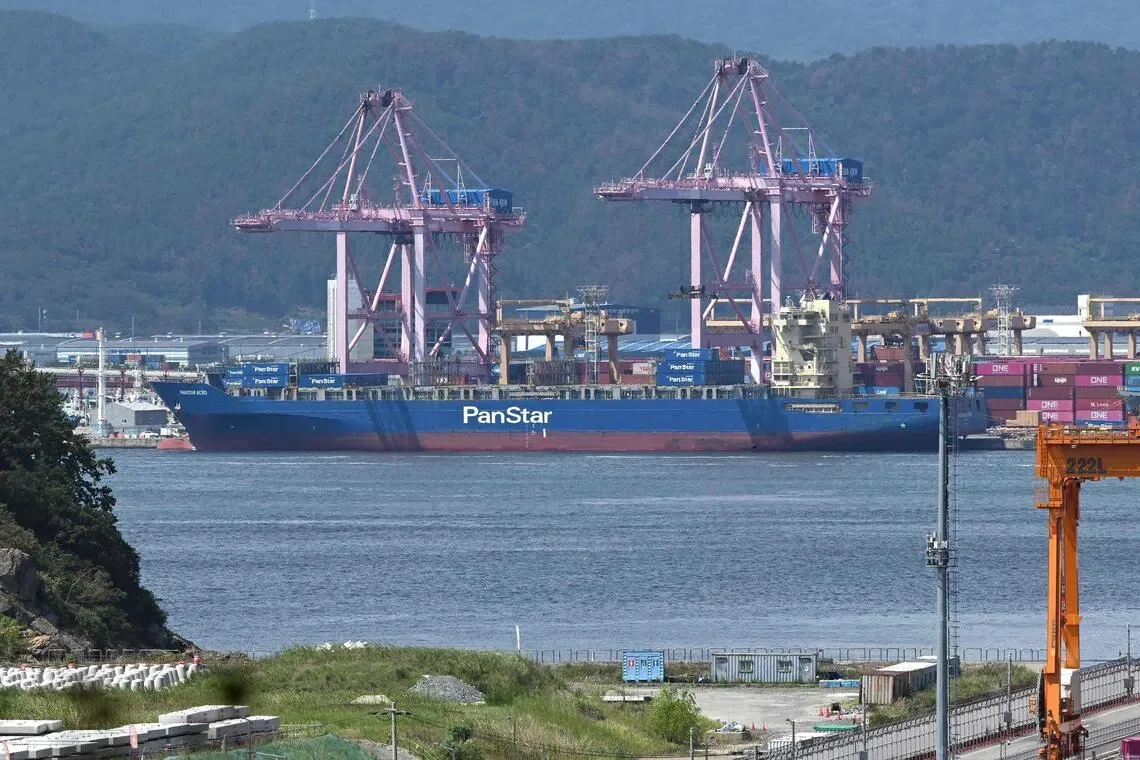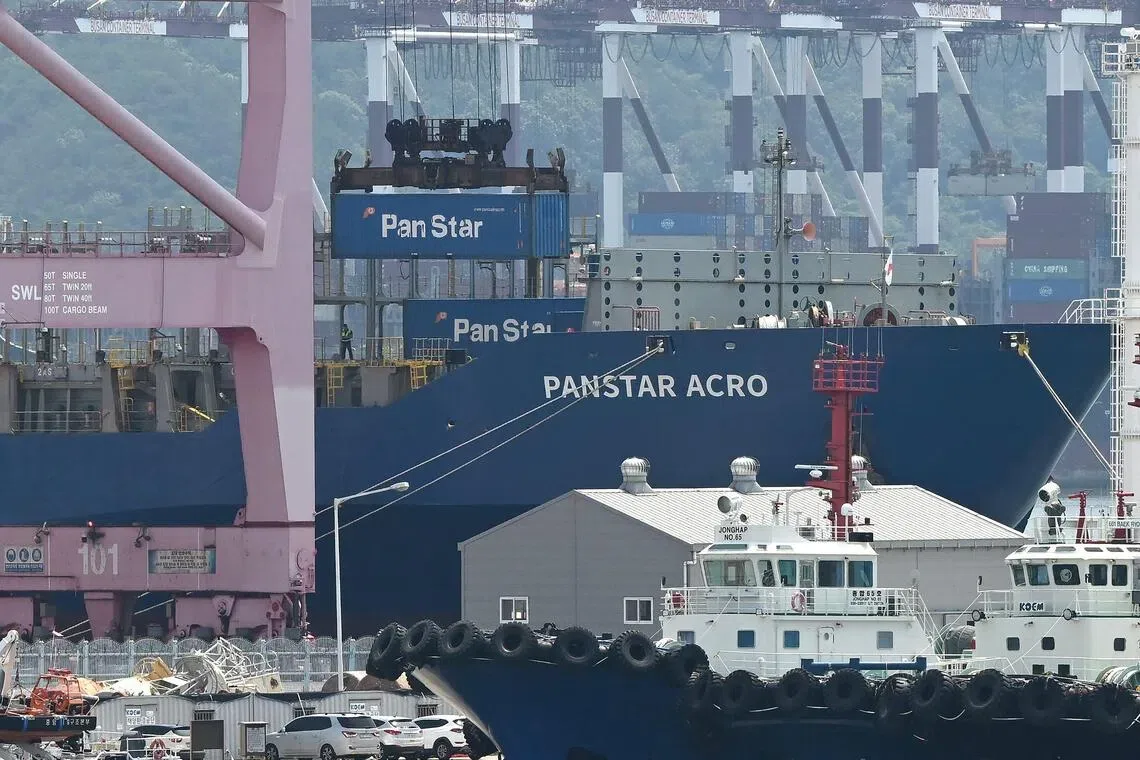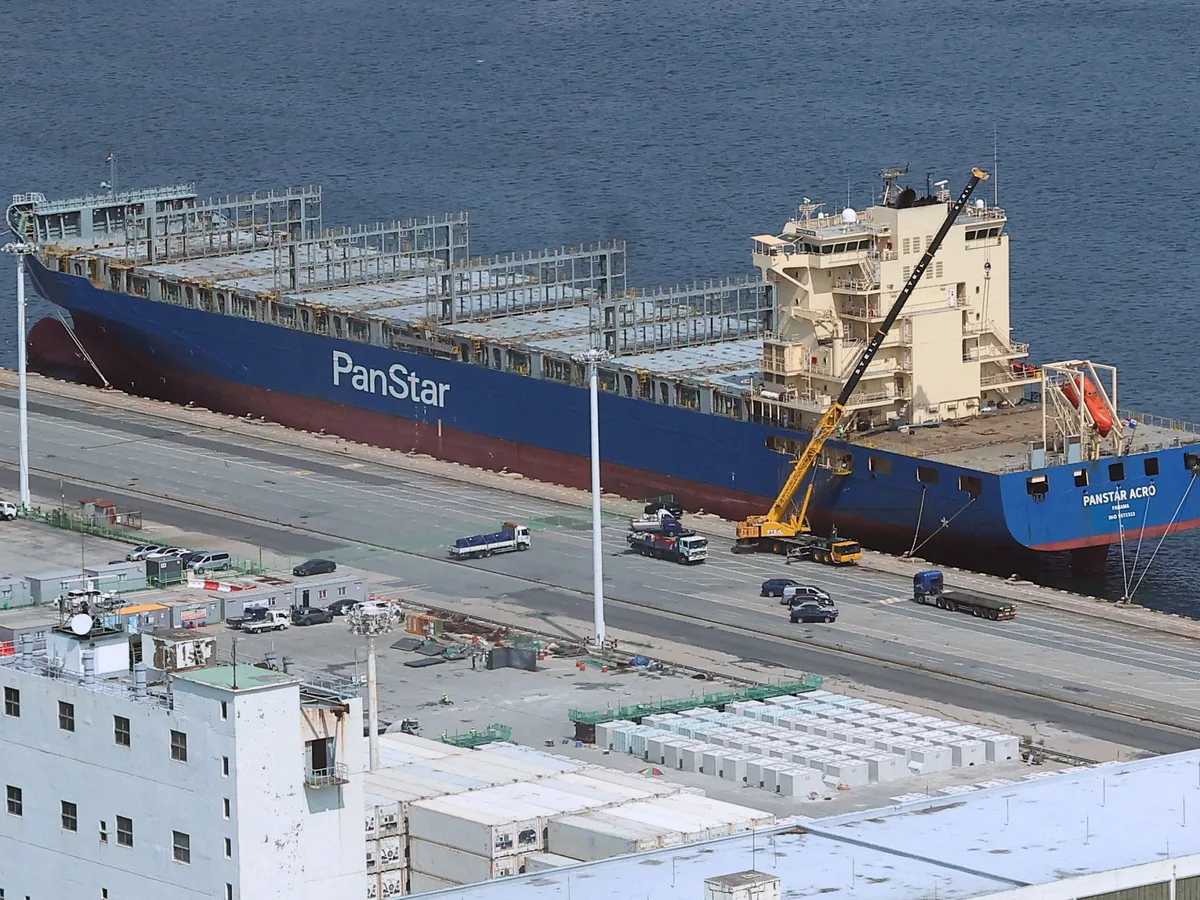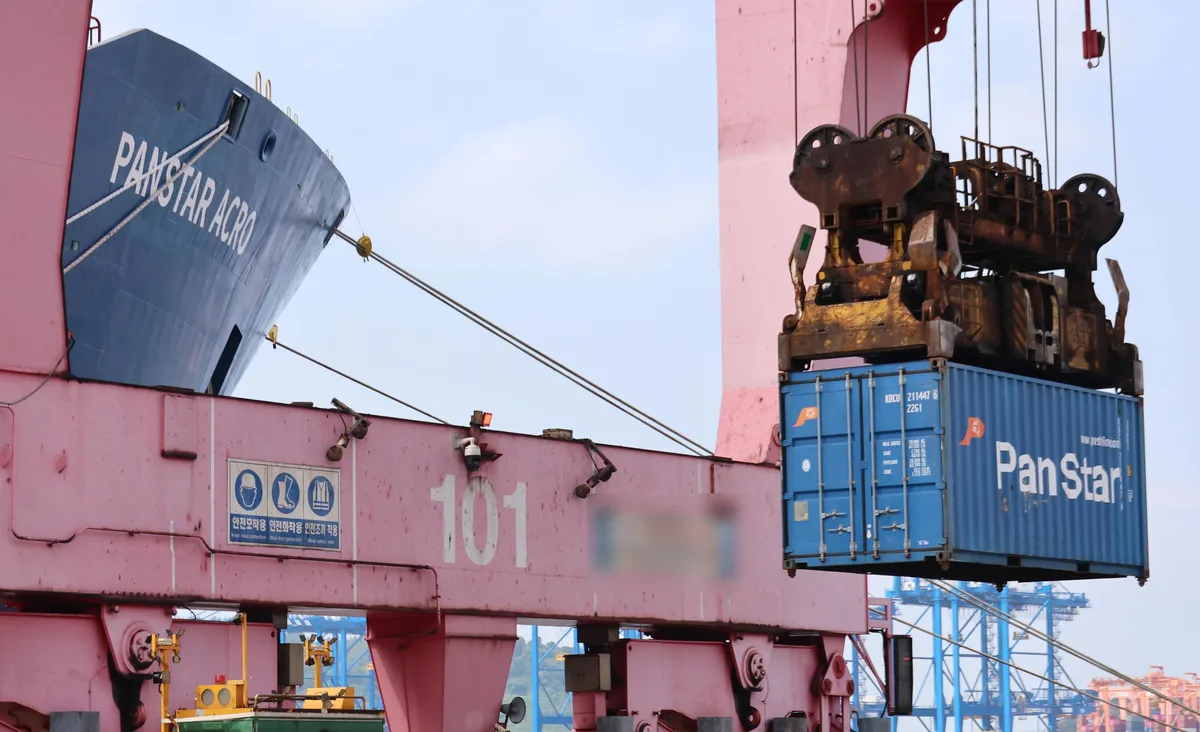
South Korea’s container ship PanStar Acro left Busan New Port on August 22, 2026, to test the viability of the Northern Sea Route for commercial shipping to Europe [1, 2, 3, 4]. The 2,758 TEU ship is carrying 837 TEU of cargo including auto parts, chemical products, and about 100 empty containers [2, 5].
The ship will sail north through Arctic waters along Russia’s Arctic coast, stopping at Felixstowe in the UK, Rotterdam in the Netherlands, and Gdansk in Poland before returning to Busan [1, 6, 2, 7]. The voyage is expected to take 40 to 45 days, significantly shorter than the traditional Suez Canal route. The Arctic route can cut shipping times to Europe by up to 35% [1, 7, 8].
South Korea’s government has prioritized Arctic shipping under President Lee Jae Myung’s policy to turn Busan into a global maritime hub and establish the Arctic as a regular trade route by 2030 [1, 4, 5]. South Korea is competing with China and Russia, whose shippers have already run cargo services using the Northern Sea Route [1, 2, 7, 8].
The Northern Sea Route runs through Russian territorial waters, so the PanStar Acro’s voyage requires Russian cooperation and permits [1, 2, 4]. Western diplomats have expressed unhappiness over the transit citing concerns about engagement with Russia amid the war in Ukraine. One European diplomat said, “We want to isolate Russia, we don’t want engagement with Russia” [1, 6, 4]. Experts warn South Korea’s ships risk breaching Western sanctions if they rely on Russian assistance, such as ice navigation help [1, 2, 4].
Climate change has extended the navigable period of the Northern Sea Route, especially in September when sea ice is lowest [1, 7, 9]. In 2025, 88 vessels made 103 transits along the route, up from 43 in 2022, mostly Russian and Chinese ships [1, 2, 4]. The Arctic shipping season remains limited to mainly August through October, and ice-class ships are required, restricting vessel size and numbers [8, 10].
The recent Middle East war and disruptions to traditional routes like the Suez Canal have driven governments and companies to explore alternatives like the Arctic route [3, 5, 11]. Environmental groups warn that increased Arctic shipping could accelerate polar ice melt and worsen climate change [3, 11].
South Korea’s Vice Oceans Minister Nam Jae-hon said, “The Arctic route was bound to become an alternative to Middle Eastern shipping lanes as geopolitical risks and technological advances make it more competitive” [8]. Political science professor Marc Lanteigne noted, “The Northern Sea Route is becoming normalised as a secondary maritime transit corridor” [3].
The PanStar Acro is expected to enter the Northern Sea Route near Arctic waters around August 30, transiting Arctic waters around September 7 [11].