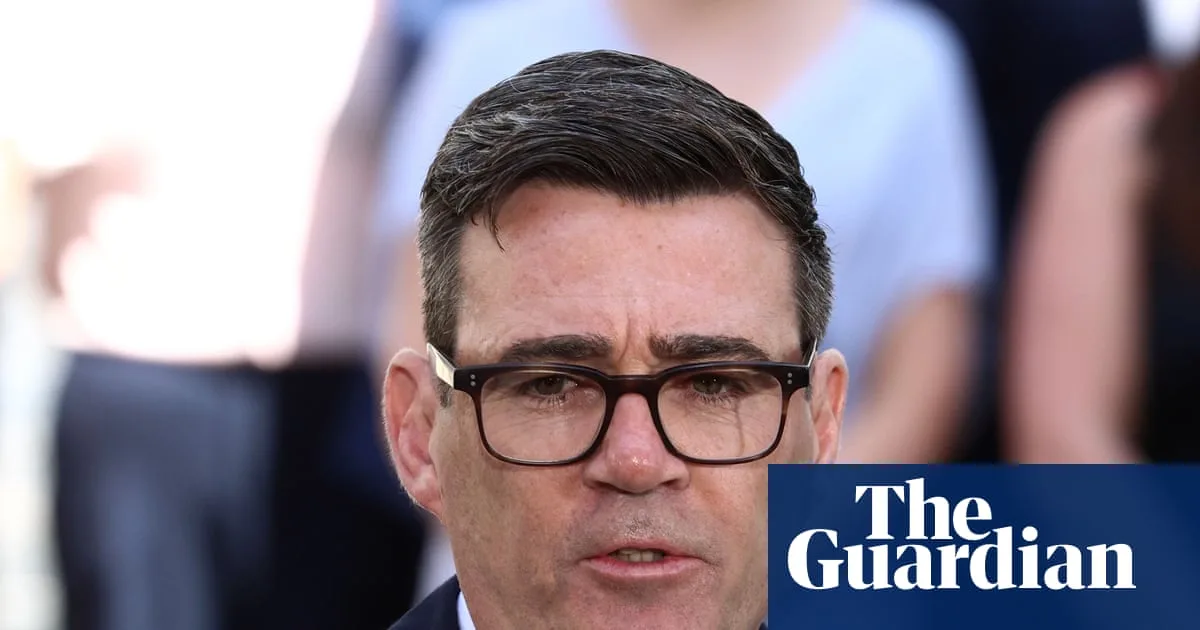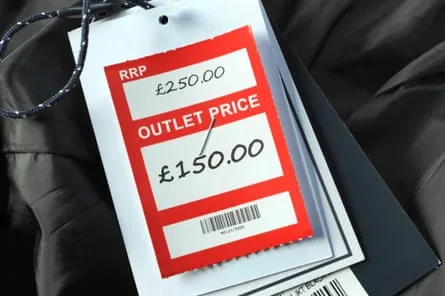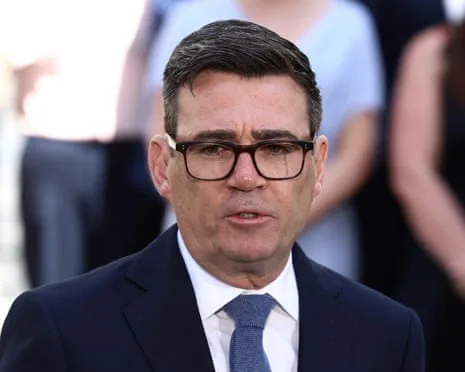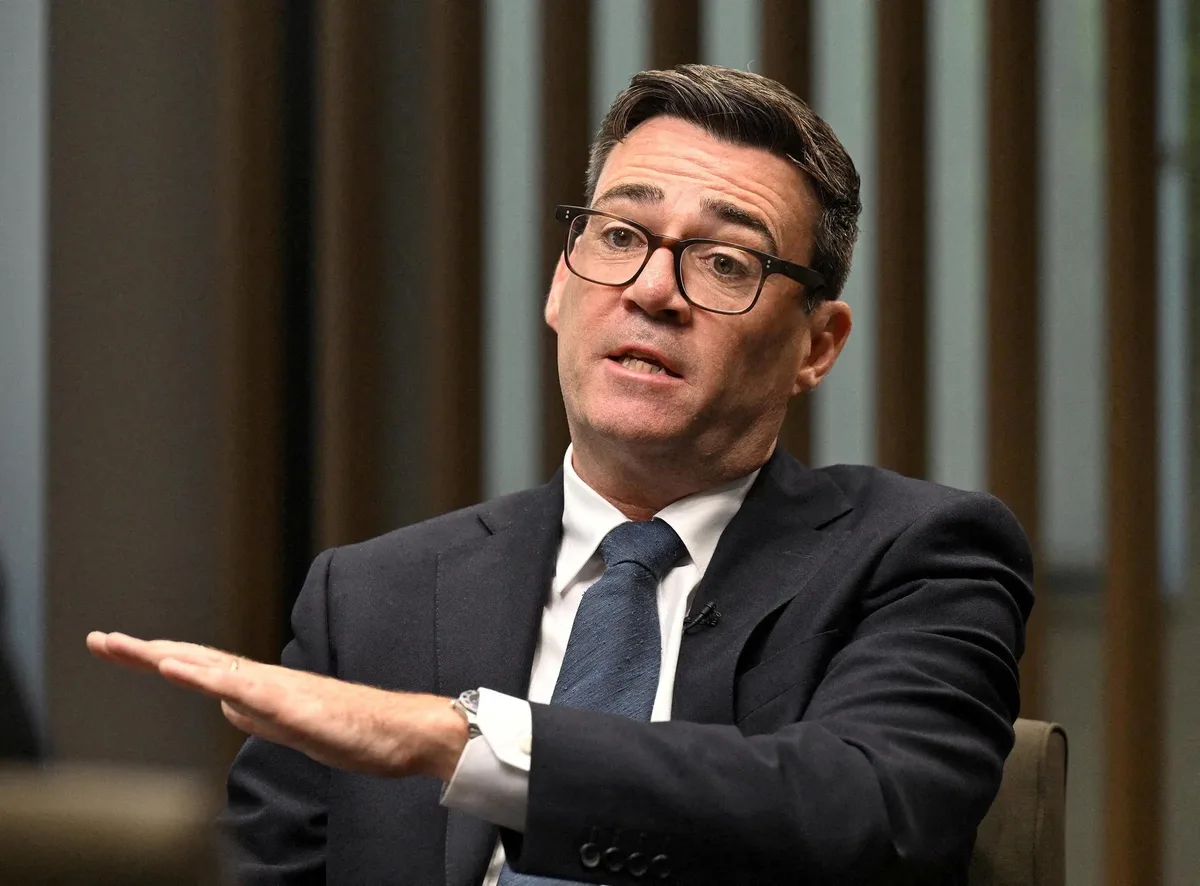
UK Prime Minister Andy Burnham announced on August 9, 2026, plans to ban misleading pricing practices in retail, including fake "was" prices, invented discounts, and false recommended retail prices across the UK [1, 2, 3]. Burnham said, "If something is advertised as half price, it should actually be half price. We’ll make sure that when families snatch a deal, they can be confident they’re actually saving. That’s the least they deserve when budgets are so tight" [1].
The government intends to consult this autumn on the precise pricing practices to be prohibited and aims to enforce the ban swiftly through secondary legislation [1, 2, 3]. This crackdown is expected to save UK consumers around £400 million annually by targeting "rip-off" business tactics [1].
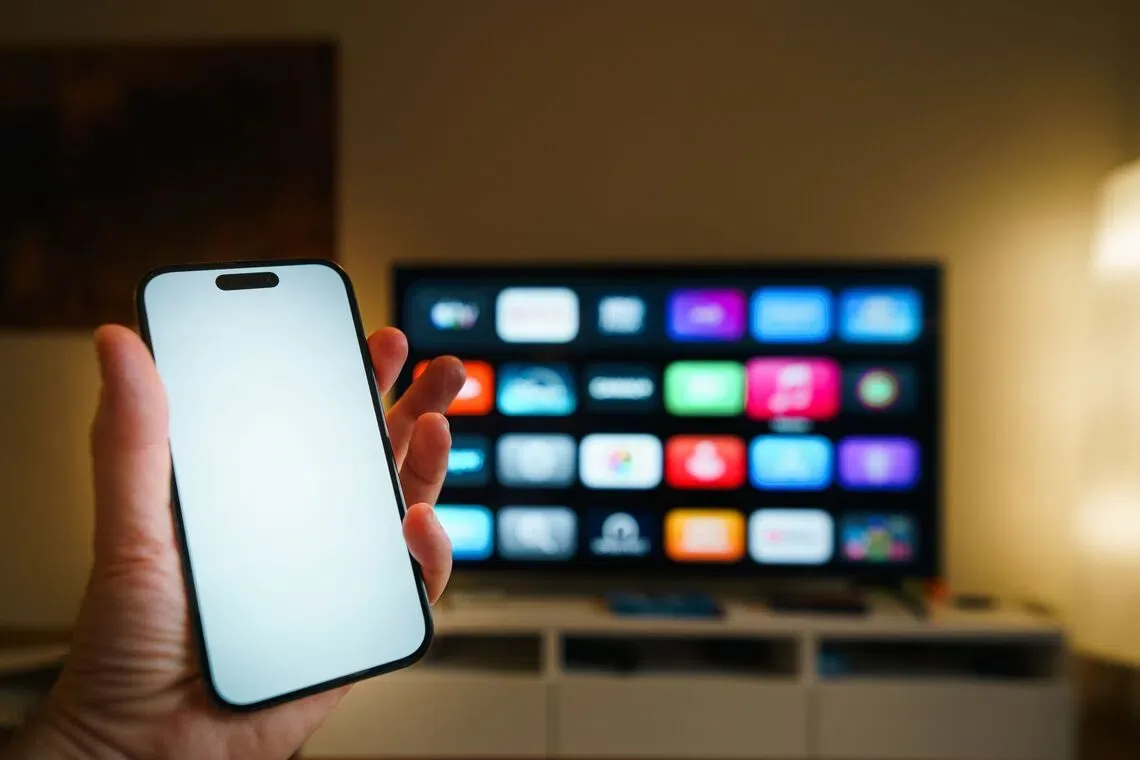
In addition, new consumer protections against subscription traps will take effect from January 2027. These will require clearer upfront information about subscriptions, regular reminders, easier cancellation processes, and a 14-day cooling-off period after free trials or contract renewals [1, 2, 3]. With UK consumers holding about 155 million active subscriptions and spending roughly £500 annually on them, an estimated £1.6 billion is wasted yearly on unwanted subscriptions, costing consumers on average £14 per month per canceled subscription [1].
Since taking office on July 20, 2026, Burnham has removed a domestic electricity tax, capped bus fares, and lowered business rates for pubs, clubs, and live music venues as part of his consumer and business support agenda [2, 3]. He described the pricing crackdown as only "the start," promising further measures to follow [2].
The British Retail Consortium (BRC), which represents major UK retailers including Tesco and Sainsbury’s, downplayed the scope of the misleading discount problem. Tom Ironside, the BRC director of business and regulation, said, "BRC members adhere to all rules and regulations on promotions, ensuring consumers benefit from genuine savings on the discounts offered" [3]. However, government sources from multiple outlets maintain that deceptive discounting is widespread enough to justify the ban [1, 2, 3].
A consultation on the details of the banned pricing practices will open this autumn ahead of the ban’s implementation, while the subscription protections are set to begin in January 2027 [1, 2, 3].