Vietnamese investigators allege that over 30,000 diamonds valued at more than 1.5 trillion dong (approximately US$57 million) were smuggled into the country over the past two years. The gems were reportedly concealed in luggage, shoes, and clothing after being sourced in India and routed through Hong Kong [1, 2, 3, 4].
Investigators found that in local gem-certification labs, the original Gemological Institute of America (GIA) laser inscriptions on the diamonds were stripped and re-engraved with overstated quality reports. This fraudulent practice enabled the stones to be sold at inflated prices [1, 2, 3, 4].
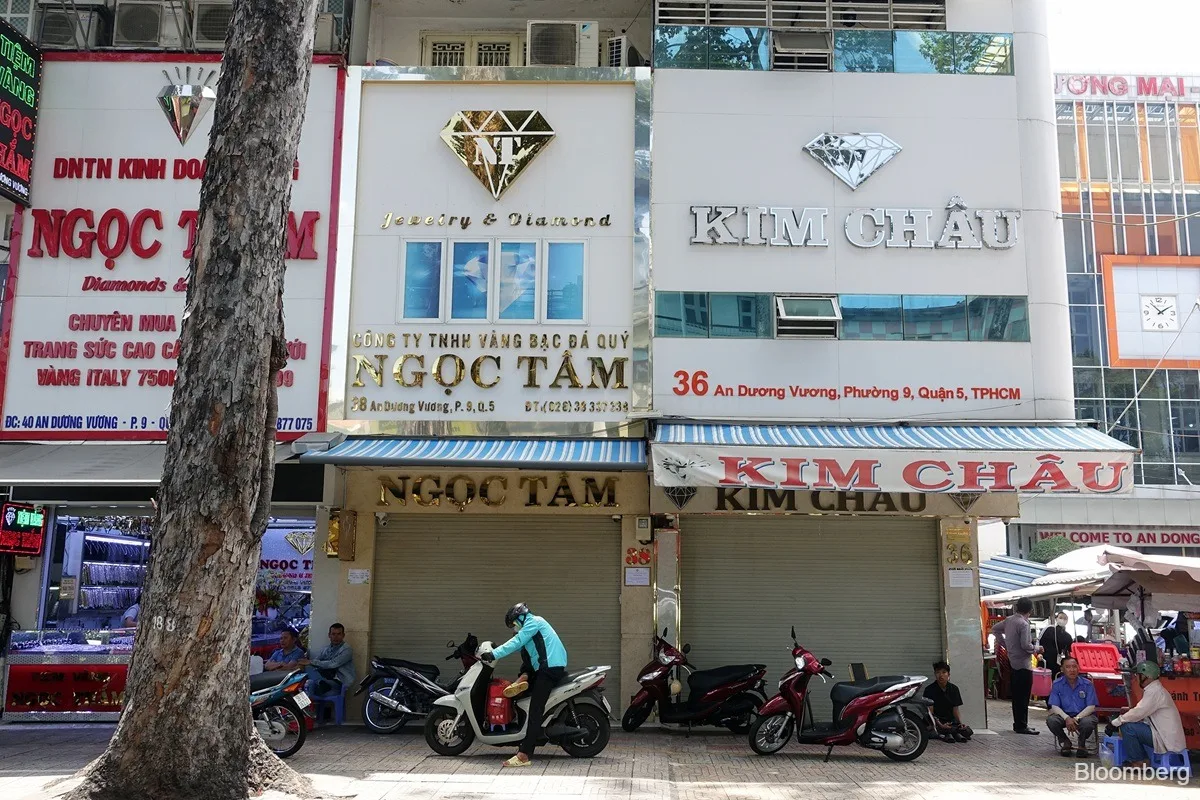
Authorities are actively investigating the extent to which the smuggled diamonds have spread across the market. Dozens of jewelry shops have temporarily closed amid the probe [1, 2, 3, 4].
Phu Nhuan Jewelry JSC (PNJ), Vietnam’s largest listed jeweler, stated that none of the tainted diamonds entered its retail network. The allegations concern the former head of the company's gem certification subsidiary. PNJ’s CEO Phan Quoc Cong described the scandal as "a crisis moment for the entire industry" [1, 2, 3, 4].
Many consumers are worried about the authenticity and value of their diamond purchases. Thanh Hang, an online clothing shop owner, said, "I'm truly worried." She added that some stores have closed, and payments for buyback programs have been delayed, with settlements expected next year [1].
Jewelry stores in Vietnam often offer buyback programs to assure customers of exit options and to foster loyalty, but the scandal has shaken consumer confidence [1, 2, 3, 4].
The crisis has wiped out nearly half of PNJ’s market value, reflecting deep investor concerns [1].
Calls are growing for tougher regulation of Vietnam's diamond industry to prevent future fraud and smuggling [1, 2, 3, 4].
Authorities continue probing the scandal in August 2026, with investigations and shop closures ongoing [1, 2, 3, 4].