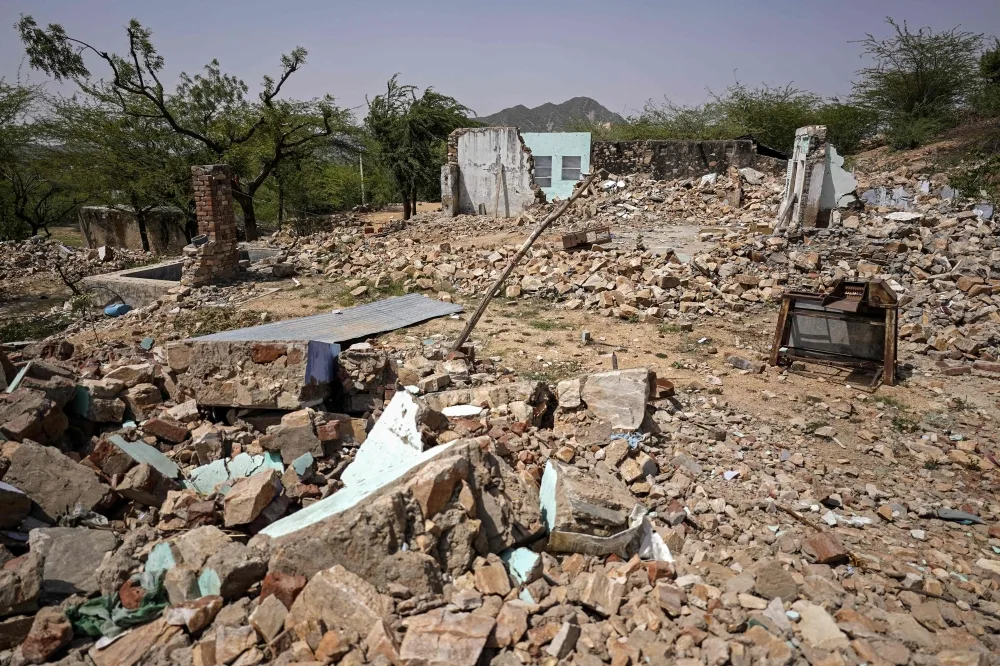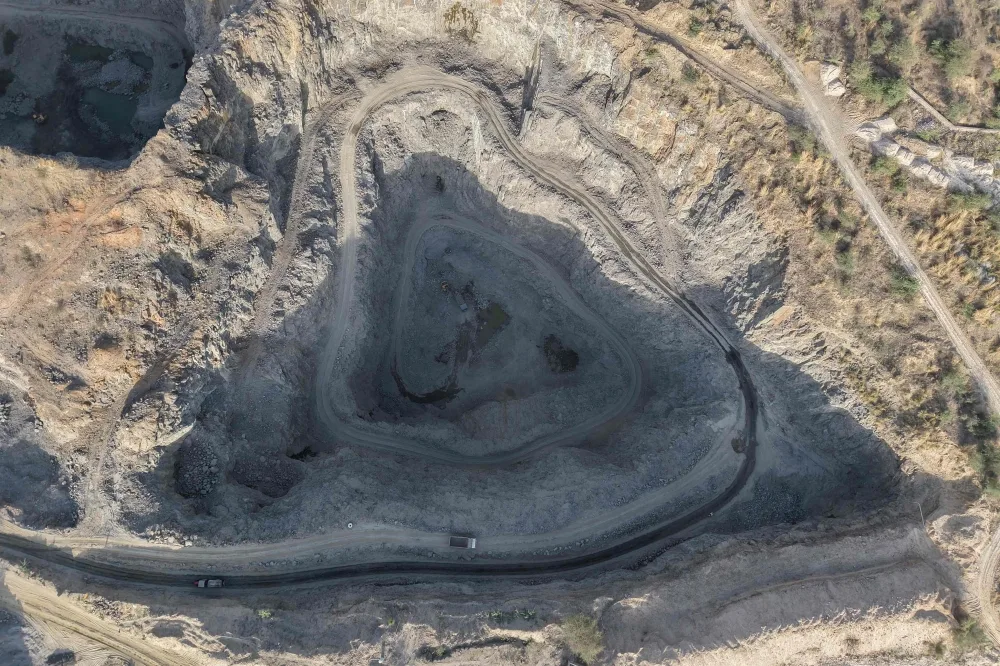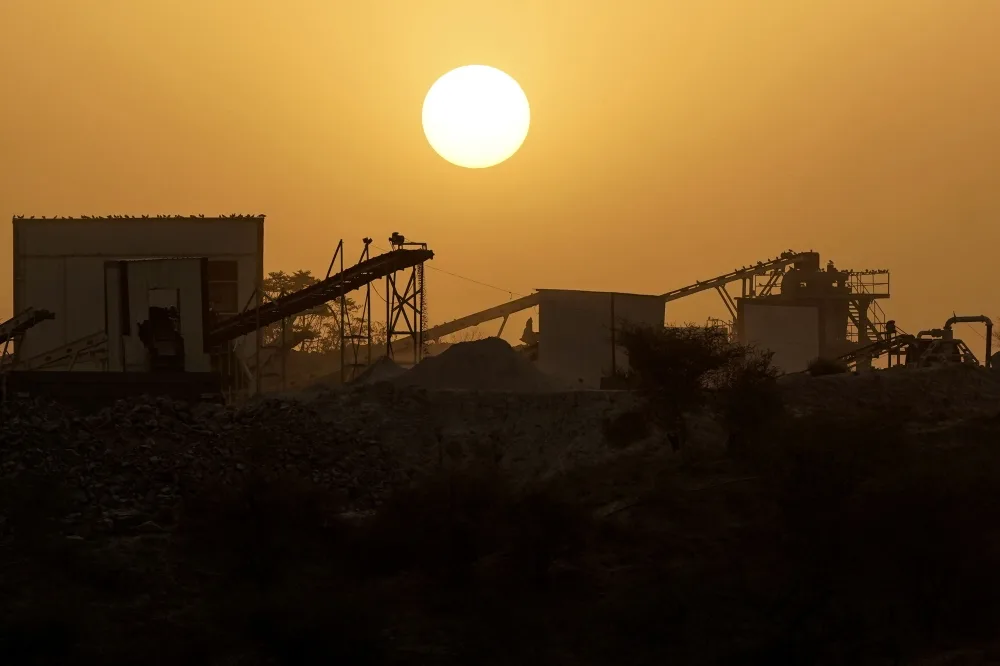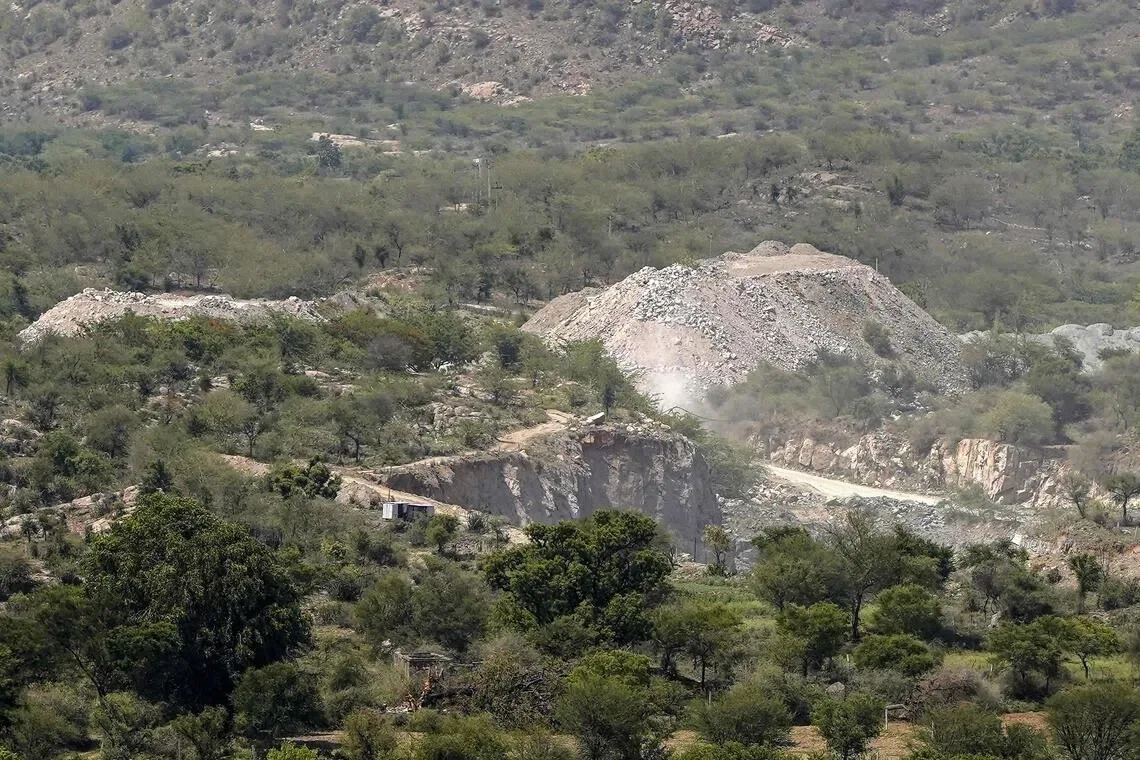
Large-scale mining has carved deep pits and caused widespread destruction in the ancient Aravalli mountains in India, threatening a forested buffer near New Delhi that blocks hot desert winds and helps moderate the climate [1, 2]. The 700-kilometer-long Aravalli range stretches across Rajasthan, where one-quarter of the hills have been quarried, according to a 2018 Supreme Court committee report [1, 2].
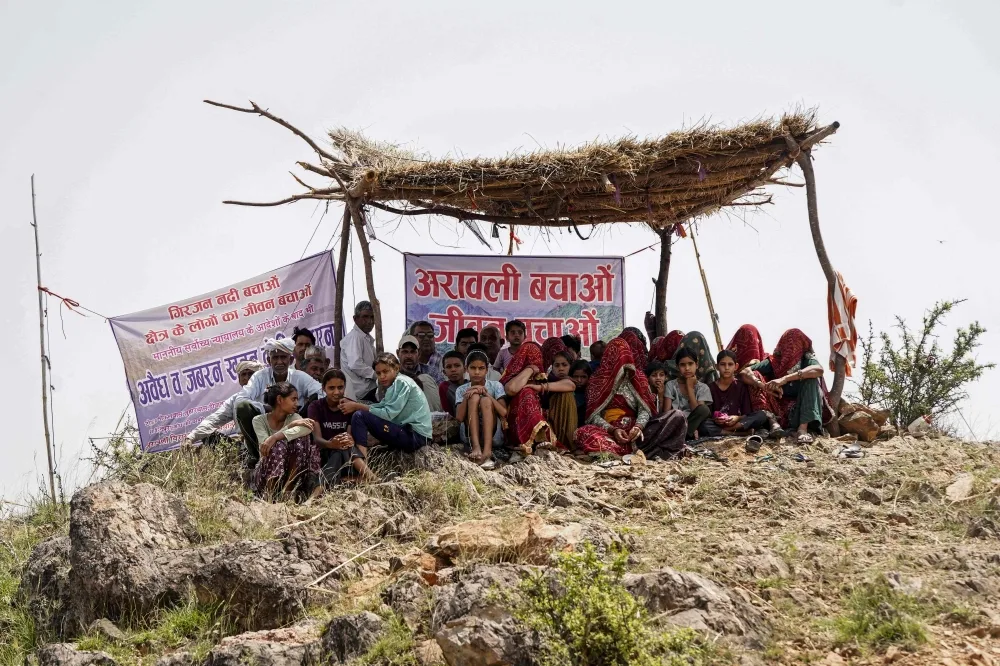
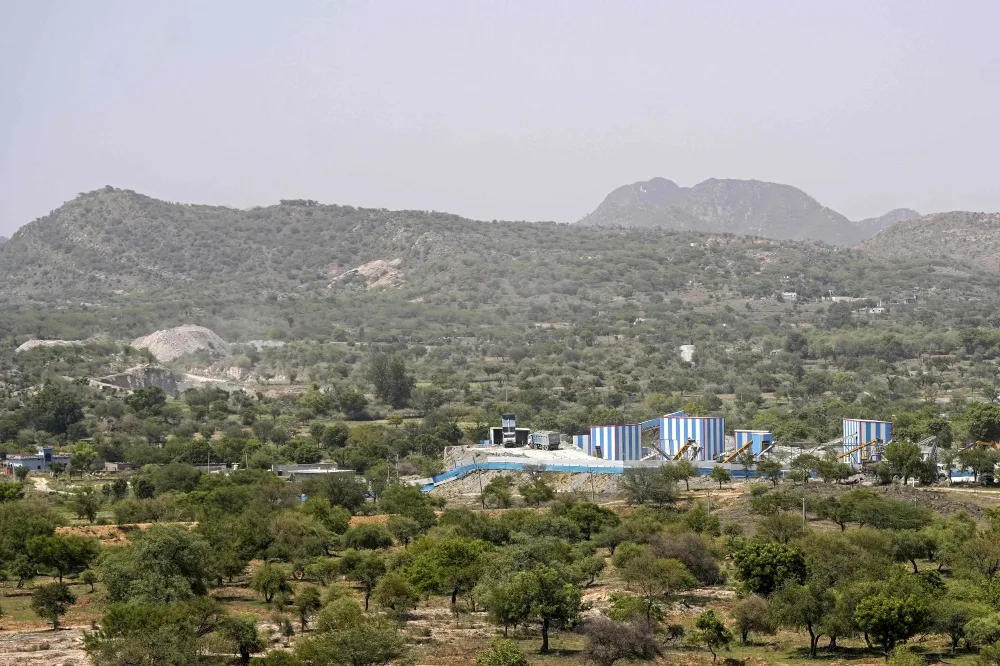
Villagers from small communities such as Chatru Ki Dhani report ongoing blasting that shakes the ground day and night, damaging houses and driving protests that have been violently suppressed by quarry workers [1, 2]. Salle Kumar, a local resident, said, "Mining has destroyed our region. Our rivers are dead, our farms barren." Another villager, Subhash Saini, described a "blanket of dust all day from all the mining and stone crushing." The dust exposure is linked to lung diseases including silicosis, though government hospitals attribute some deaths to tuberculosis [1, 2].
Mining mainly extracts gneiss and granite from giant open pits surrounding these villages, further degrading the environment. The damage worsens heat and desertification risks, endangers water sources, and harms public health [1, 2].
In late 2025, India's Supreme Court imposed a ban on issuing new mining licenses in the Aravalli region to curb uncontrolled quarrying [1, 2]. The environment ministry issued a statement in December 2025 denying any imminent ecological threat and claiming that only 0.19%, or 277 square kilometers, of the Aravalli is open to mining [1, 2]. However, independent audits suggest the actual mining footprint is much larger than official figures indicate [1].
Om Prakash Verma, another resident, said, "The earth violently shakes every time there is a blast, which is all day all night." Locals report dead rivers, barren farms, widespread dust, and respiratory illnesses tied to mining dust exposure [1, 2].
The battle between residents demanding stricter controls and mining operations supplying stone for booming cities continues amid these conflicting reports. A report published on May 31, 2026, detailed the ongoing damage and protests in the Aravalli region [2].
Enforcement of the Supreme Court ban and further assessments of the mining impact are expected to shape the next decisions affecting the region’s fragile ecology and local communities.