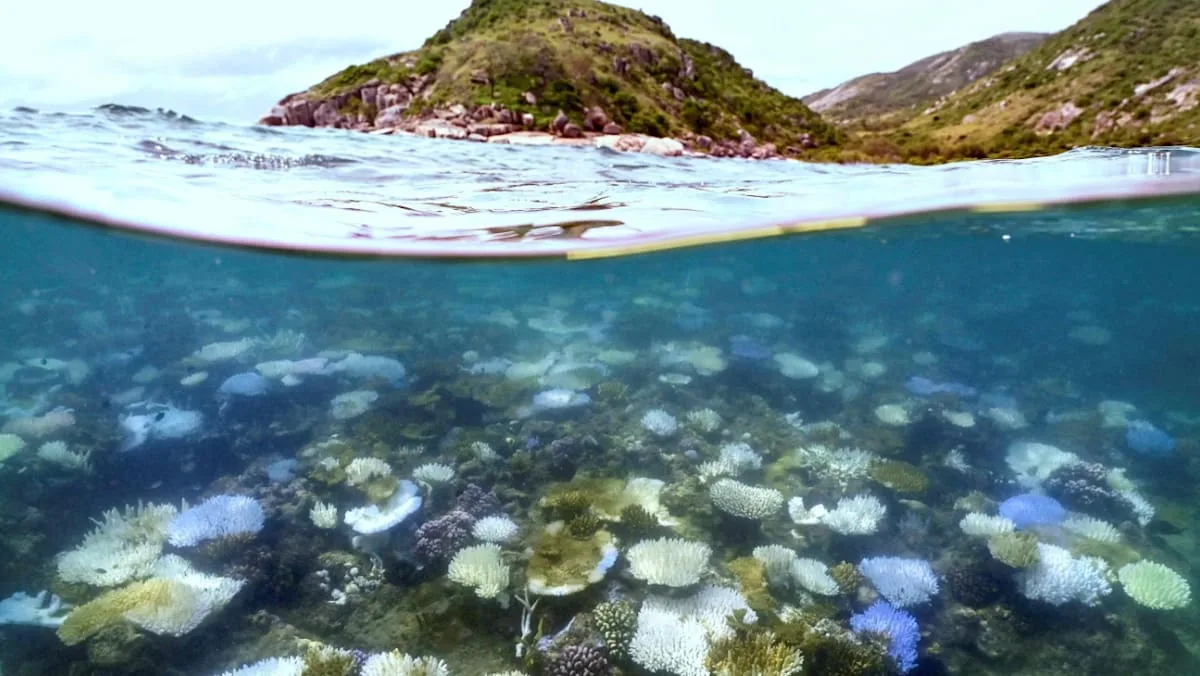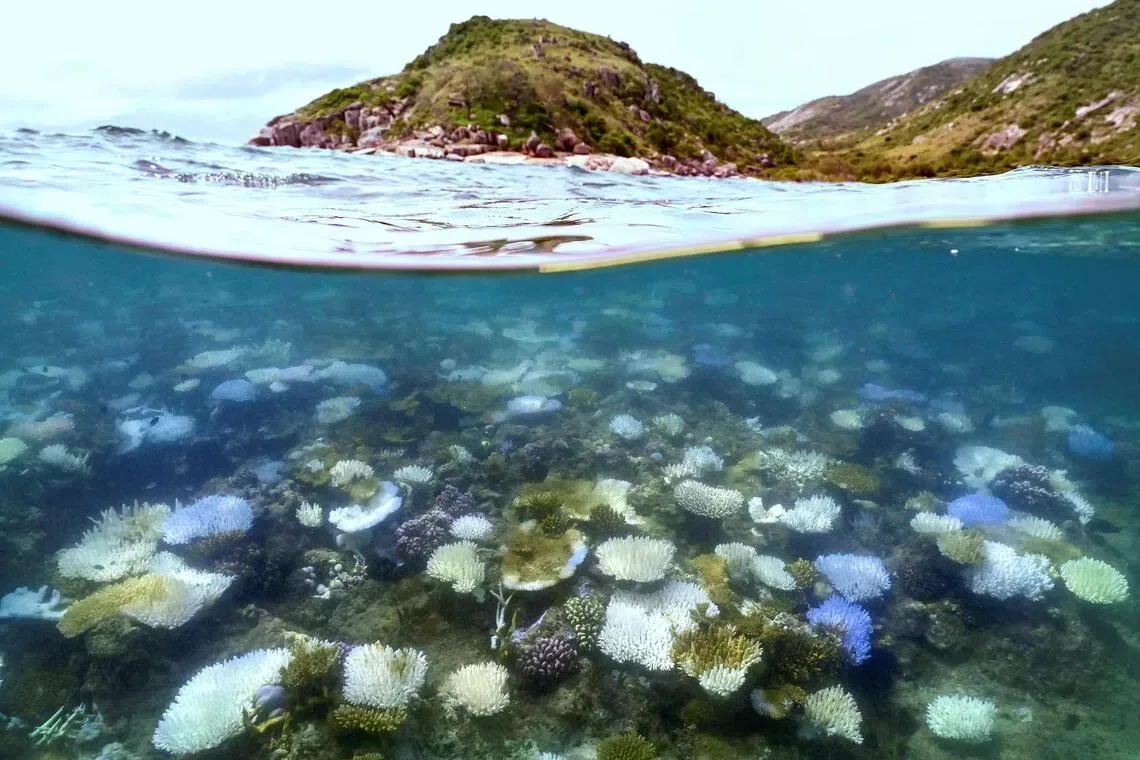
The Great Barrier Reef faces a very high risk of extreme and widespread coral bleaching and ecosystem collapse due to the record-breaking 2026 El Nino event, scientists warned in July 2026 [1, 2, 3, 4, 5]. Stretching about 2,300 kilometers along Queensland’s coast, the reef has suffered significant damage in recent years and is now under unprecedented threat from warming ocean temperatures and changing weather patterns [1, 2, 3, 4, 5].
The 2026 El Nino is expected to be the strongest on record, warming the central and eastern equatorial Pacific Ocean surface and disrupting global wind, pressure, and rainfall systems [1, 2, 4, 5]. This is likely to cause very severe and large-scale mass coral bleaching on the reef, according to experts. Morgan Pratchett, speaking at the International Coral Reef Symposium in Auckland, said, “It’s a very high likelihood that we’ll see very high severity and large-scale mass bleaching on the Great Barrier Reef” and warned it could cause “widespread ecosystem collapse.” [1, 2]
The reef has already experienced six mass coral bleaching events since 2016. Hard coral cover declined substantially from 2024 to 2025 marking the latest major decline [1, 2, 3, 4, 5]. Additional pressures such as extreme weather, land-based run-off, coastal development, and outbreaks of Crown of Thorns starfish have compounded the reef’s vulnerability [1, 2, 4, 5].
UNESCO has monitored the reef annually since 2021 and issued warnings that it was at risk of being listed as a World Heritage site ‘in danger.’ Yet in July 2026, despite the United Nations’ “utmost concern” over climate impacts and bleaching, the reef avoided official endangered status [1, 2, 4, 5].
Marine studies professor Ove Hoegh-Guldberg underscored the gravity of the situation by comparing it to the Titanic sinking. He said, “We’re not doing that. The ship is starting to sink in a really massive way, and we’re not seeing it as what it is. It is so serious.” He warned the crisis threatens not only reefs, but human survival, stating, “This could be the precursor to the loss of humans.” [1, 4, 5]
Scientists and conservationists continue monitoring the reef’s condition closely as 2026 progresses. The next critical period will be the coming months when El Nino’s peak warming and associated impacts on marine ecosystems become fully apparent.