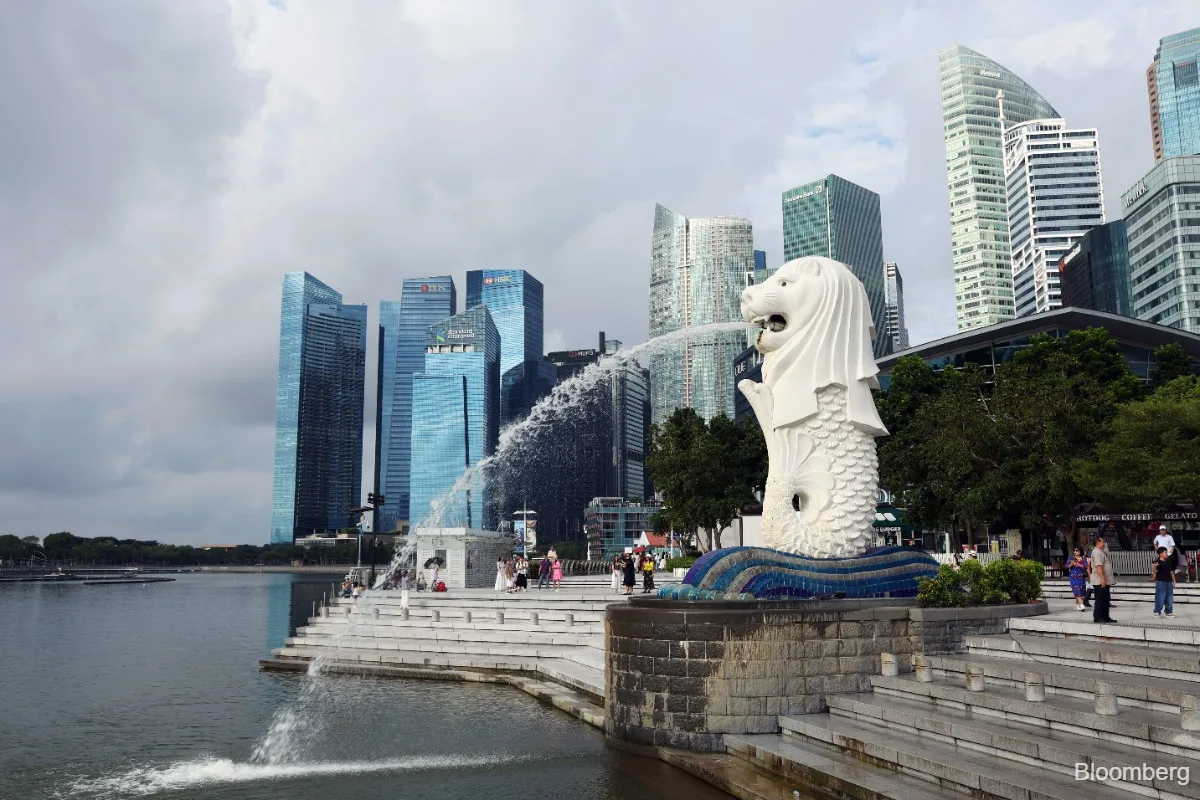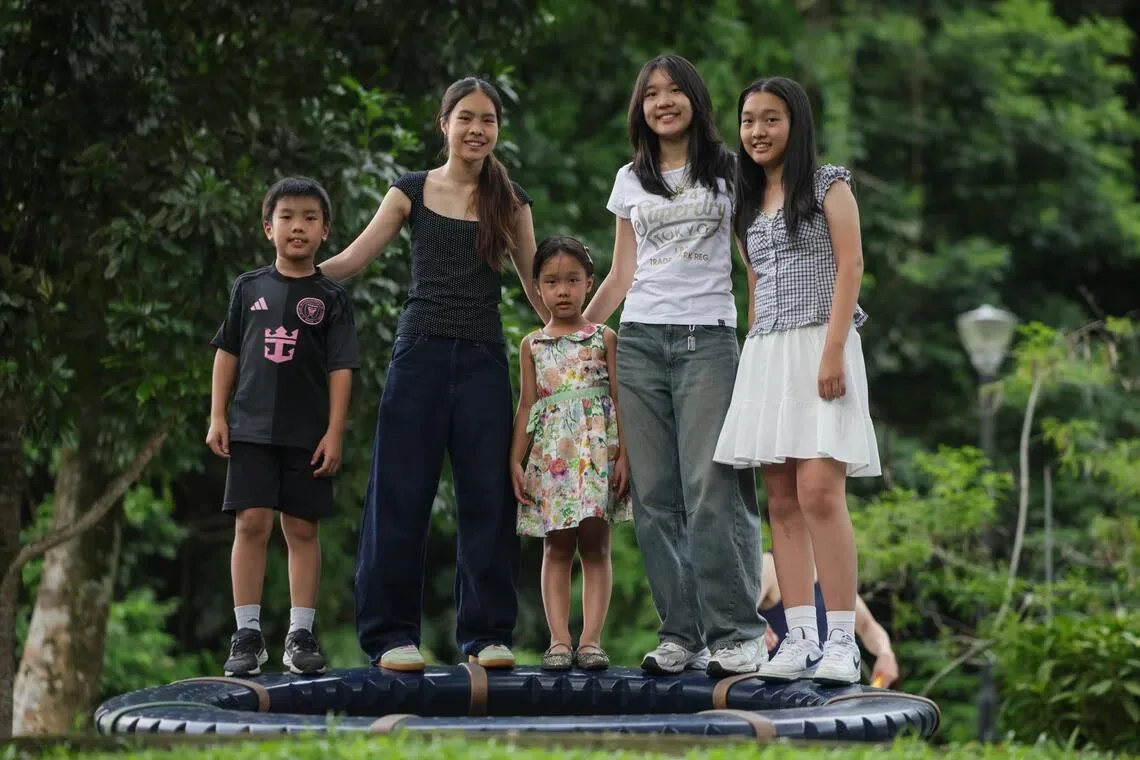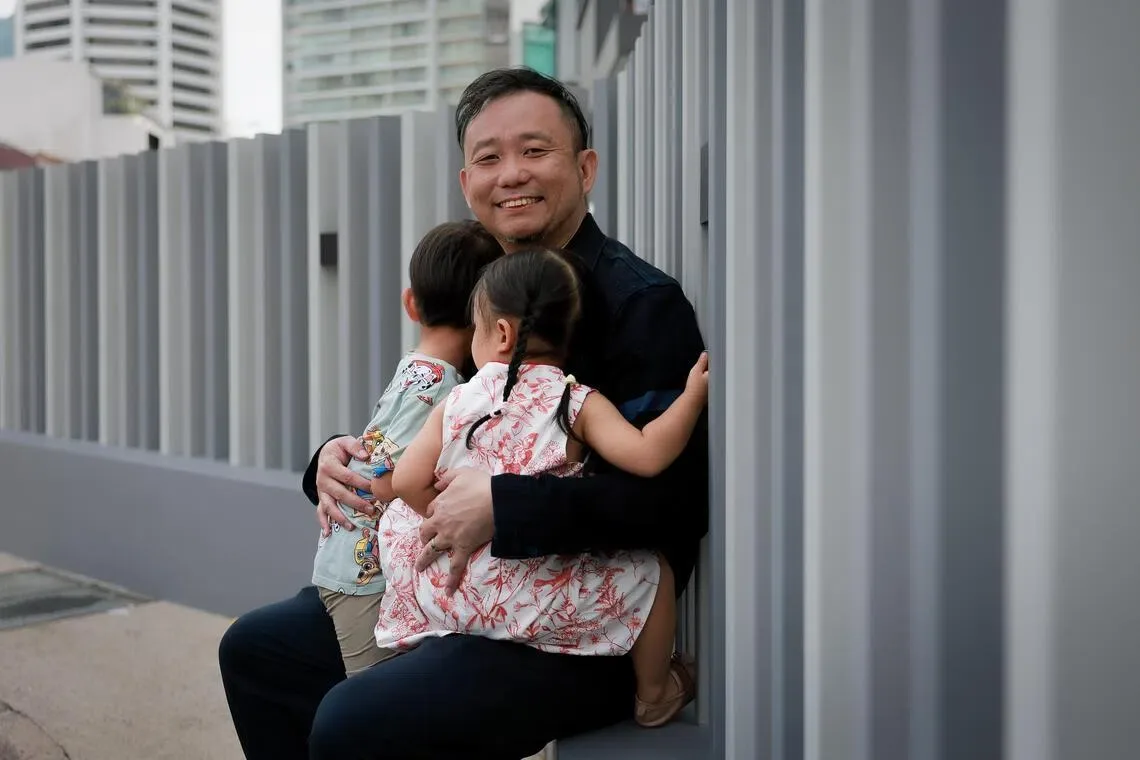
Births of fifth or subsequent children in Singapore increased to 2.1% of all births in 2025, representing 614 babies, up from 1.5% and 558 babies in 2005 [1, 2, 3, 4]. This figure also surpasses the 1.4% share and 587 babies recorded in 2015.
Singapore's total fertility rate fell to a record low of 0.87 in 2025, reflecting a continuing trend of below-replacement-level births nationwide [1, 2, 3, 4]. The government launched a Large Families Scheme in 2025 to provide benefits for families with three or more children.
Academics have identified that couples having five or more children often share religious beliefs and personal values that emphasize children as blessings, marriage, and family continuity. Jean Yeung, director of social sciences at the A*STAR Institute for Human Development and Potential, said they “are more likely to believe that children are blessings or gifts, discourage contraception or abortion, and have a stronger emphasis on marriage and family continuity” [1]. Practical support and financial considerations also affect family size decisions. Kalpana Vignehsa, senior research fellow at the Institute of Policy Studies, noted couples “usually calculate their finances, the impact on their careers, educational opportunities and other costs and considerations when deciding how many children to have” [1].
Meanwhile, many Singaporeans are delaying marriage. The share of single females aged 25-29 rose to 73.4% in 2025 from 69% in 2020, and the percentage of single males aged 30-34 increased to 47.6% from 41.9% over the same period [5, 6]. This shift has corresponded with a decline in married households with children, which accounted for 47.6% of resident households in 2025, down from 50.4% in 2020 [6].
Married women in their 40s had fewer children on average in 2025, with 1.67 per woman compared to 1.76 in 2020 [5, 6].
Singapore’s evolving demographic patterns reveal a small but notable rise in large families even as overall fertility declines. The government’s Large Families Scheme launched in 2025 aims to support families with third and subsequent children [1, 2, 3, 4].