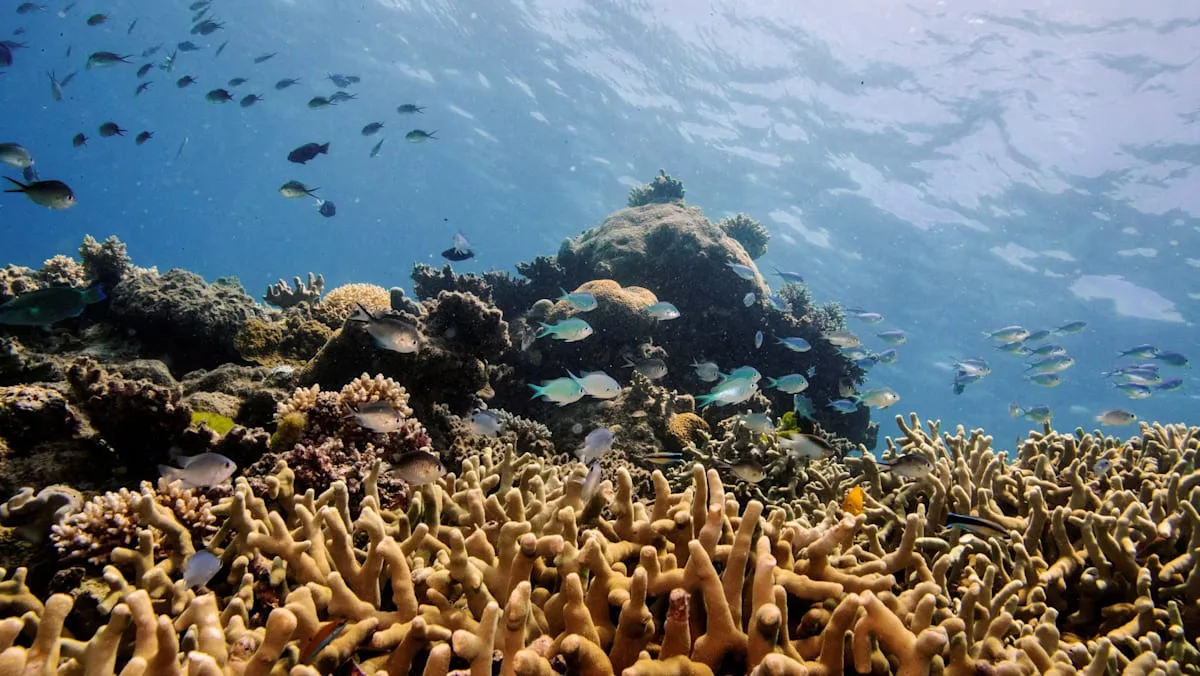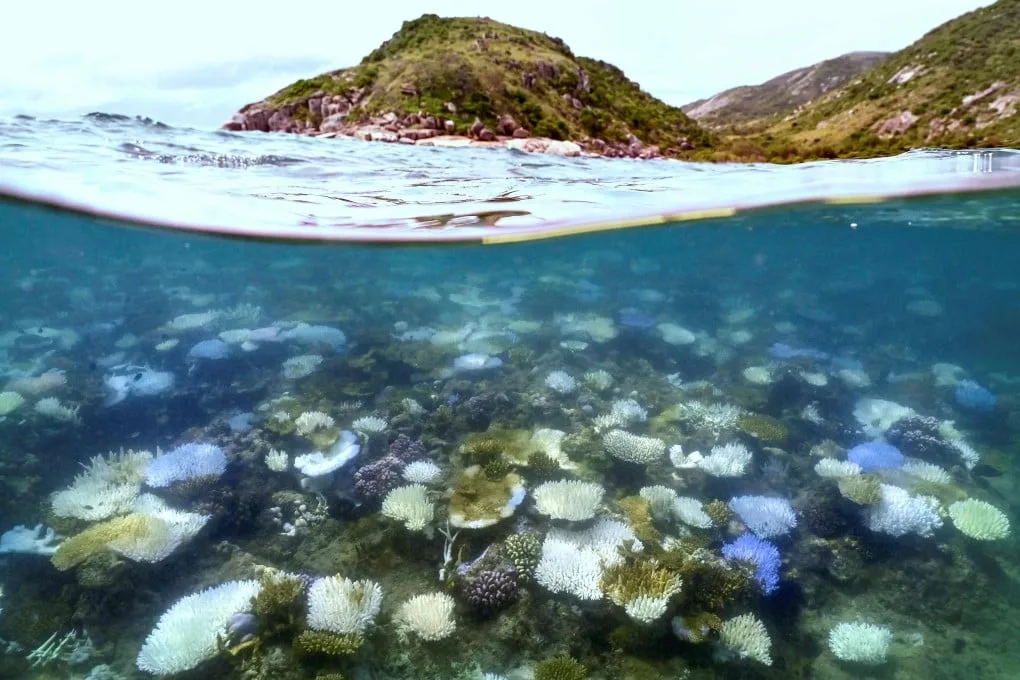
UNESCO announced in a July 3, 2026 draft report that the Great Barrier Reef will remain a World Heritage site and will not be added to the 'in danger' list [1, 2, 3, 4, 5, 6, 7]. Australia's assistant tourism minister Nita Green welcomed the decision, saying, "Australia welcomes Unesco’s decision to not list the reef as endangered, and recognise all of the work that’s been going into protecting the reef" [8]. Green also noted that "UNESCO’s decision recognises all of the work that Australia has been doing to manage those risks but also recognises that climate change will continue to be a risk to the reef" [5].
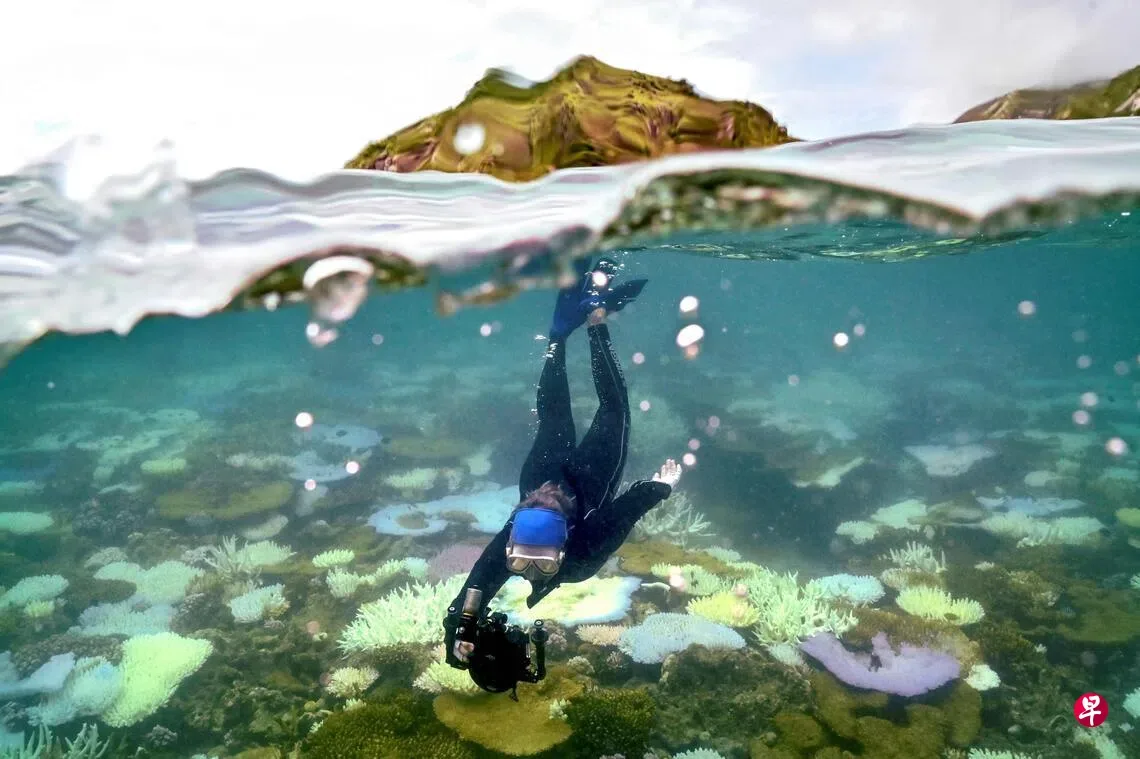
Despite maintaining the status, UNESCO expressed "utmost concern" about the reef’s declining resilience and ability to recover. They pointed to climate change, mass coral bleaching, extreme weather, land runoff, coastal development, and Crown-of-Thorns starfish predation as critical factors undermining the reef’s health [1, 2, 3, 4, 5, 6, 7]. Between 2024 and 2025, the reef suffered its sixth mass coral bleaching event since 2016, driven by above-average sea temperatures, leading to a significant drop in hard coral cover [1, 2, 3, 4, 5, 6, 7].
The Great Barrier Reef stretches roughly 2,300 to 2,400 kilometers off Queensland’s coast and hosts about 400 coral species and 1,500 fish species [2, 8, 4, 6, 7]. Its economic value is substantial, contributing around AUD 9 billion annually to the Australian economy and supporting about 77,000 jobs [1, 4, 5, 6, 7].
Australia has taken steps to protect the reef, including passing legislation in 2025 that tightened restrictions on clearing native vegetation in the reef’s catchment area [4, 5, 6, 7]. However, UNESCO recommends that Australia implement tougher controls on dredging and overfishing to address ongoing threats [1, 4, 5, 6, 7].
Environmental groups remain critical. Australian Marine Conservation Society campaign manager Lissa Schindler said, "Significant gaps remain in Australia’s response to the reef’s key threats. We shouldn’t need Unesco to tell us we need to do more to protect it" [1, 5].
Since 2021, UNESCO has monitored the reef annually, warning it was at risk of being listed as endangered [1, 2, 5]. Australia is required to submit its next progress report on the reef’s condition to UNESCO in 2028 [3, 5].