The World Health Organization (WHO) published updated guidelines on July 15, 2026, that estimate up to 45% of dementia risk can be prevented or delayed by targeting modifiable factors such as tobacco and alcohol use, social isolation, physical inactivity, air pollution, and managing noncommunicable diseases including high blood pressure, diabetes, and high cholesterol [1, 2, 3, 4, 5].
Dementia currently affects over 57 million people worldwide, with nearly 10 million new cases diagnosed annually [1, 2, 3, 4, 5]. Alzheimer's disease accounts for 60 to 70% of these cases globally [1, 2, 3, 4, 5]. The condition ranks as the seventh leading cause of death worldwide and contributes significantly to disability and dependency among older adults [1, 4].
WHO’s updated guidelines recommend early awareness, cognitive training, social engagement, healthy lifestyle habits, and integrated management of related conditions to reduce dementia risk and delay its onset [1, 2, 3, 4, 5]. The agency cautions against using vitamin B, vitamin E, omega-3 fatty acids, or multivitamins for dementia prevention due to insufficient evidence of benefit [3]. However, managing hearing loss—including the use of hearing aids—may be included in risk reduction strategies [3, 5].
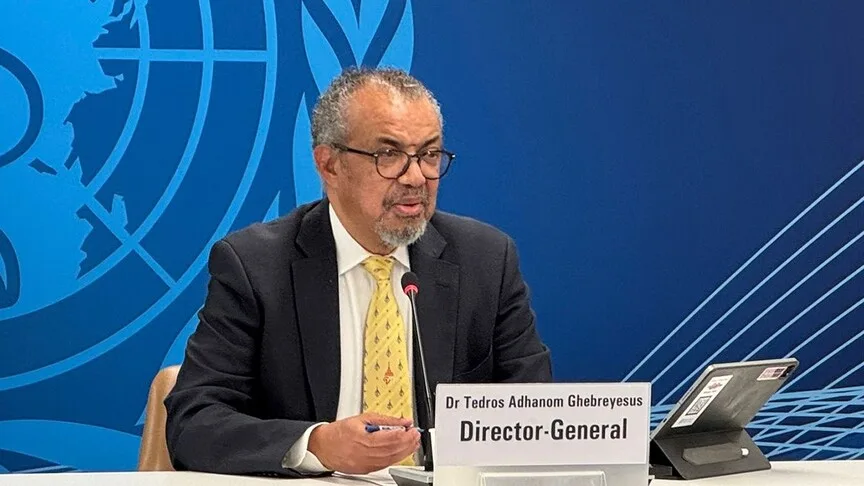
Tedros Adhanom Ghebreyesus, WHO Director-General, said, "We know more today than ever before about what drives dementia risk, and these guidelines translate that knowledge into action. Countries now have clear, evidence-based recommendations they can put into practice immediately to protect people’s cognitive health" [4]. He stressed, "While there is no cure for dementia, it can be prevented or delayed by avoiding risk factors including tobacco, alcohol use, social isolation, physical inactivity, air pollution, and by treating high blood pressure, diabetes and hearing loss" [5].
Devora Kestel, WHO Director of Noncommunicable Diseases and Mental Health, noted, "Behind these numbers are individuals, families, and communities navigating profound challenges that affect not only health, but dignity, independence, and well-being. This is not a distant issue; it touches all of us" [1].
WHO estimates the global economic burden of dementia at approximately US$1.3 trillion annually, half of which comes from unpaid care by family members and friends [1, 2, 3]. The updated guidelines aim to support countries in implementing effective prevention and delay strategies.
Media coverage on July 16, 2026, emphasized dementia as a major global health challenge and prevention as a key priority [4, 5]. The guidelines set an urgent agenda for governments and health systems worldwide to adopt evidence-based measures to reduce dementia risk.