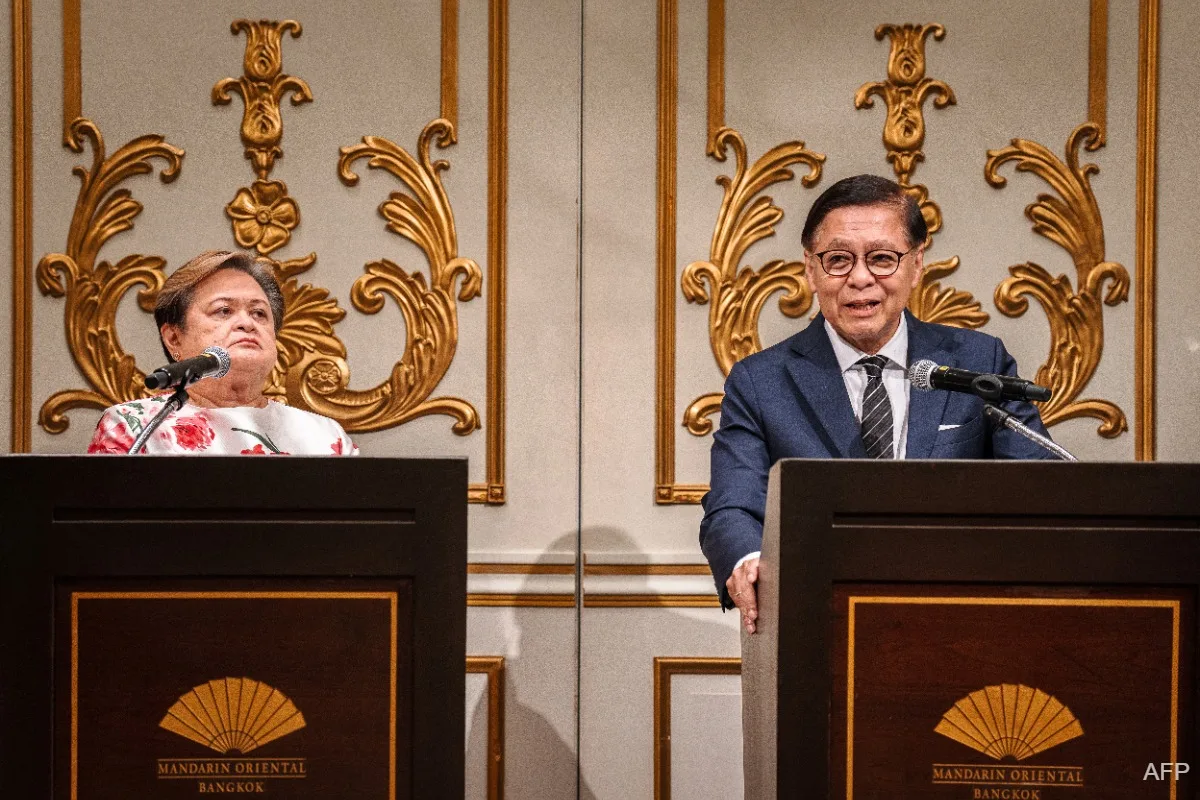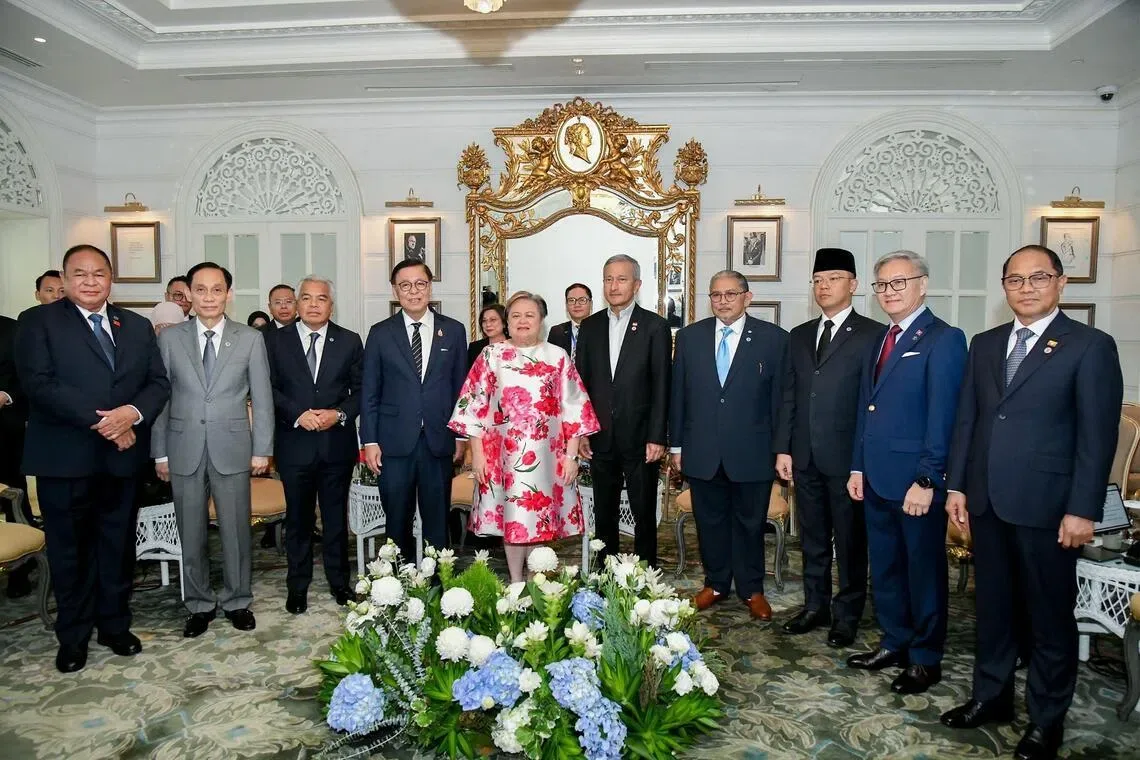
ASEAN foreign ministers held their first meeting with Myanmar’s Foreign Minister Tin Maung Swe on July 12, 2026, in Bangkok, marking their first engagement since the 2021 military coup in Myanmar [1, 2, 3, 4, 5, 6, 7]. The 11-member bloc reiterated its commitment to the Five-Point Consensus, a framework aimed at ending violence, promoting dialogue, and granting humanitarian access in Myanmar [1, 2, 3, 4, 5, 6, 7]. Philippine Foreign Secretary Theresa Lazaro emphasized ASEAN’s call for concrete actions to reduce violence against civilians and civilian infrastructure and to ensure aid delivery [6, 7].
Thai Foreign Minister Sihasak Phuangketkeow said, "We have some concrete expectations with regard to humanitarian assistance, reduction of violence, especially against civilians, and promoting inclusive political dialogue [1]." He acknowledged the progress will not be immediate but urged "step by step, incremental progress [6]."
ASEAN ministers stressed the need for demonstrable advances, including a permanent end to violence, the release of political detainees such as 81-year-old Aung San Suu Kyi, and inclusive political dialogue [1, 2, 3, 4, 5]. Suu Kyi remains detained but was recently moved from prison to house arrest with healthcare access, according to ASEAN officials and Myanmar’s Foreign Minister [1, 2, 3, 4, 5]. Philippine Foreign Secretary Lazaro reported Suu Kyi is in good health during the meeting [1, 2, 3, 4, 5].
Myanmar’s parliament passed a motion last week urging a review of the ASEAN Five-Point Consensus, saying it conflicts with ASEAN’s non-interference principle and Myanmar’s political realities [1, 7]. Lawmakers criticized the peace plan as undermining Myanmar’s equality within ASEAN and called for reassessment [1]. This contrasts with ASEAN foreign ministers who reaffirmed the consensus’s central importance but said progress has been limited and concrete steps remained needed [1, 5, 6]. Singapore’s Ministry of Foreign Affairs expressed disappointment about the slow implementation and urged constructive dialogue among all Myanmar stakeholders [3].
Junta chief Min Aung Hlaing was installed as Myanmar’s civilian president in April 2026 after elections widely seen as heavily restricted [1, 5]. Thailand is leading ASEAN’s efforts to normalize relations with Myanmar following years of diplomatic sidelining [1, 5].
ASEAN describes the July 12 meeting as an initial step hoping for gradual progress over the next few months [2, 3, 4, 6, 7]. Philippine Foreign Secretary Lazaro is scheduled to make a humanitarian visit to Myanmar later in July on behalf of ASEAN [6, 7].