One Nation’s primary support jumped four points to 31% in a national opinion poll conducted between May 25 and May 28, surpassing the ruling center-left Labor party, which fell three points to 28% [1, 2, 3, 4]. The conservative Liberal-National coalition’s vote declined two points to 20% in the same poll of 1,005 voters with a 3.4% margin of error [1, 2, 4].
Despite One Nation’s lead in primary votes, Labor retains a narrow advantage of 51% to 49% on a two-party-preferred basis under Australia’s ranked-choice system [1, 2].
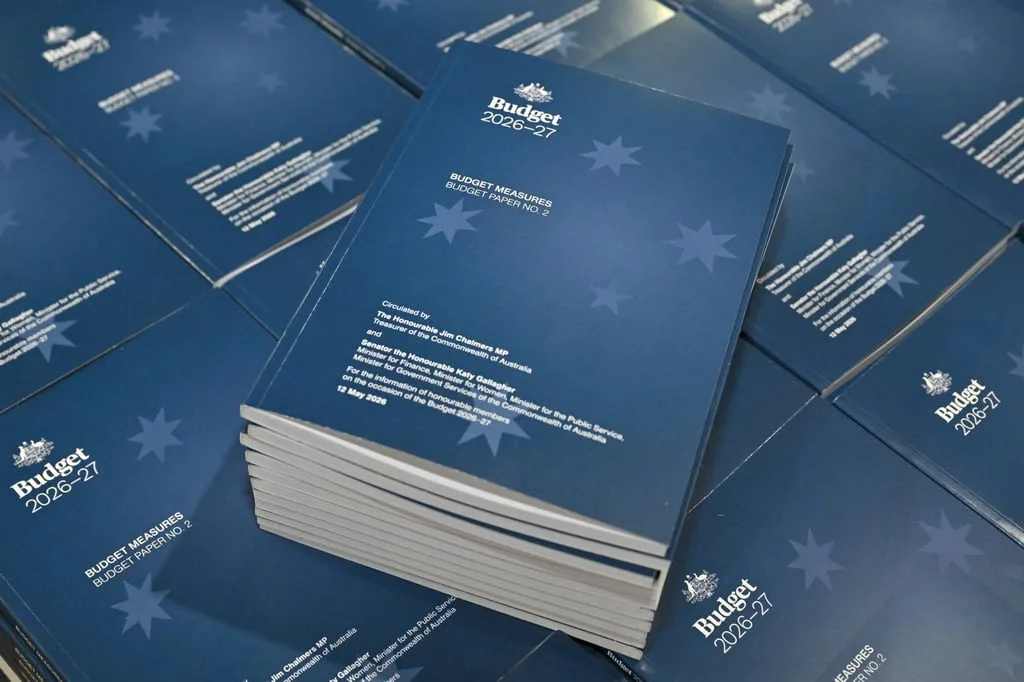
One Nation’s surge is linked to widespread voter dissatisfaction with the government’s May 12 budget, which introduced the largest property tax reforms in decades targeting intergenerational equity [1, 2, 3, 4]. The reforms proved unpopular across generations, including Millennials (only 26% approval) and Gen Z (13% approval) [1, 2].
Treasurer Jim Chalmers acknowledged on June 1 that voters face "legitimate pressures and legitimate concerns and anxieties" driving support for One Nation [3].
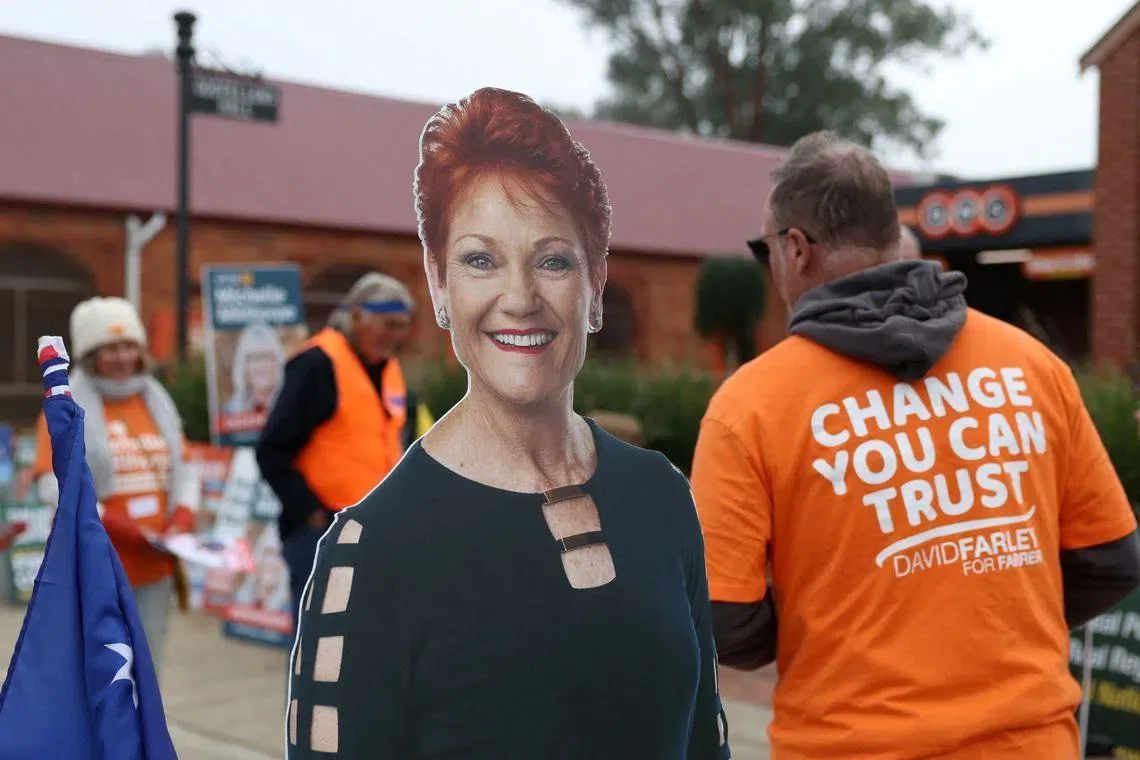
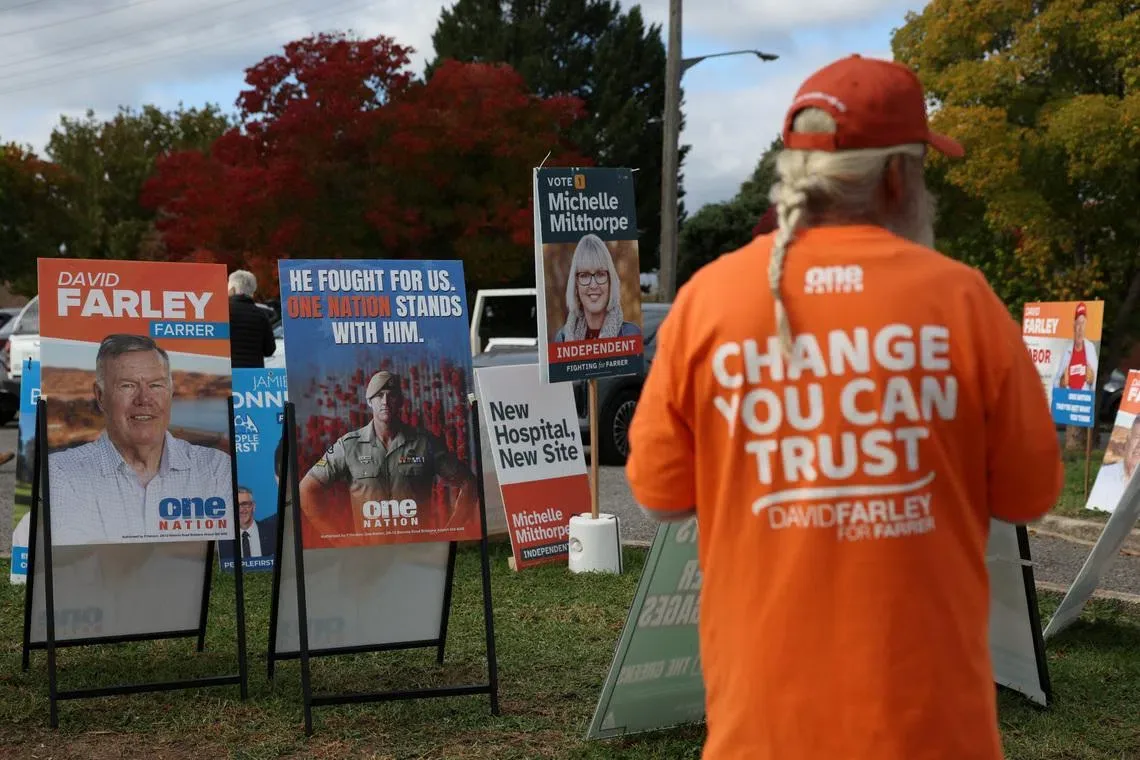
One Nation campaigns on cutting immigration and opposing "radical Islam". It won its first Lower House seat at Farrer, New South Wales, in May by defeating conservative parties [3]. Leader Pauline Hanson, who founded the party in 1997, said she believes she could serve as prime minister, but it is "another year and a half outside of an election" before a chance arises [3].
The party’s economic nationalist and anti-immigration message resonates particularly in rural and regional areas, as well as outer suburbs, starting to erode Labor’s support [4]. Meanwhile, the conservative coalition has criticized the tax reforms but failed to gain votes, slipping from 22% to 20% [4].
The poll highlights shifting dynamics in Australian politics with One Nation overtaking both main parties in primary support. The next federal election is expected in about 18 months, setting a deadline for parties to consolidate support ahead of the vote.