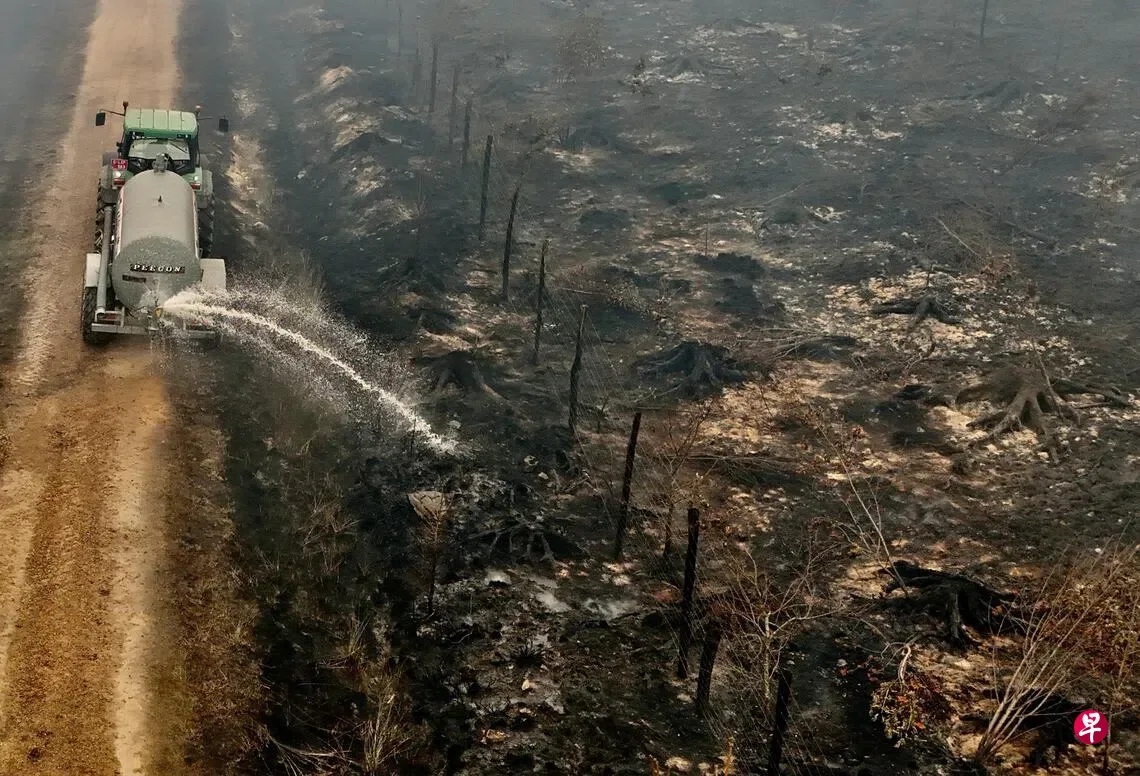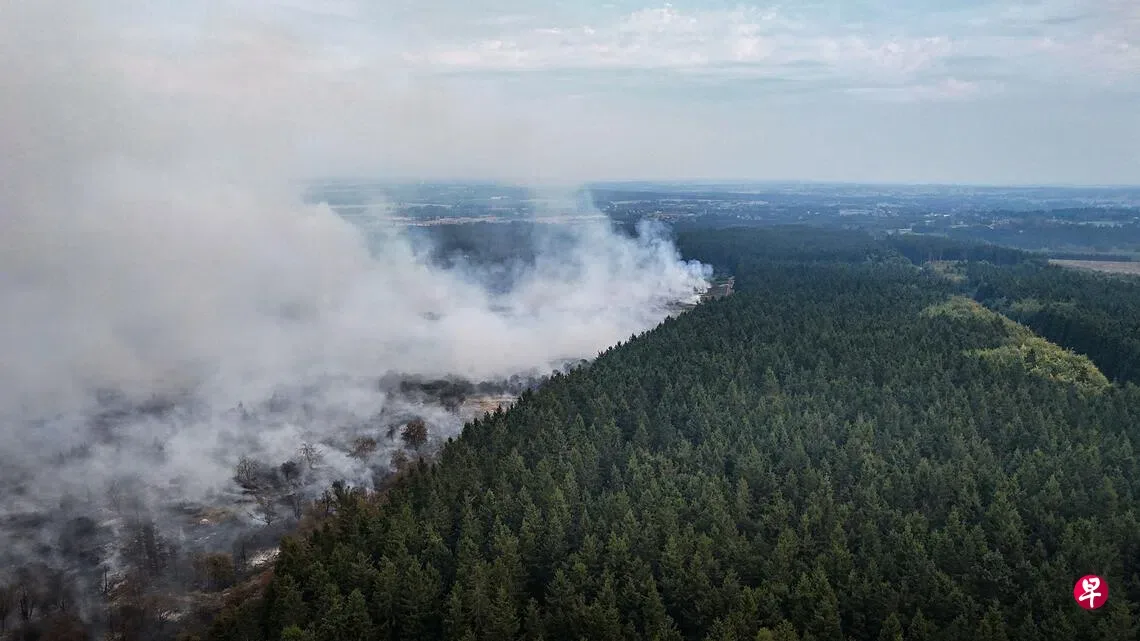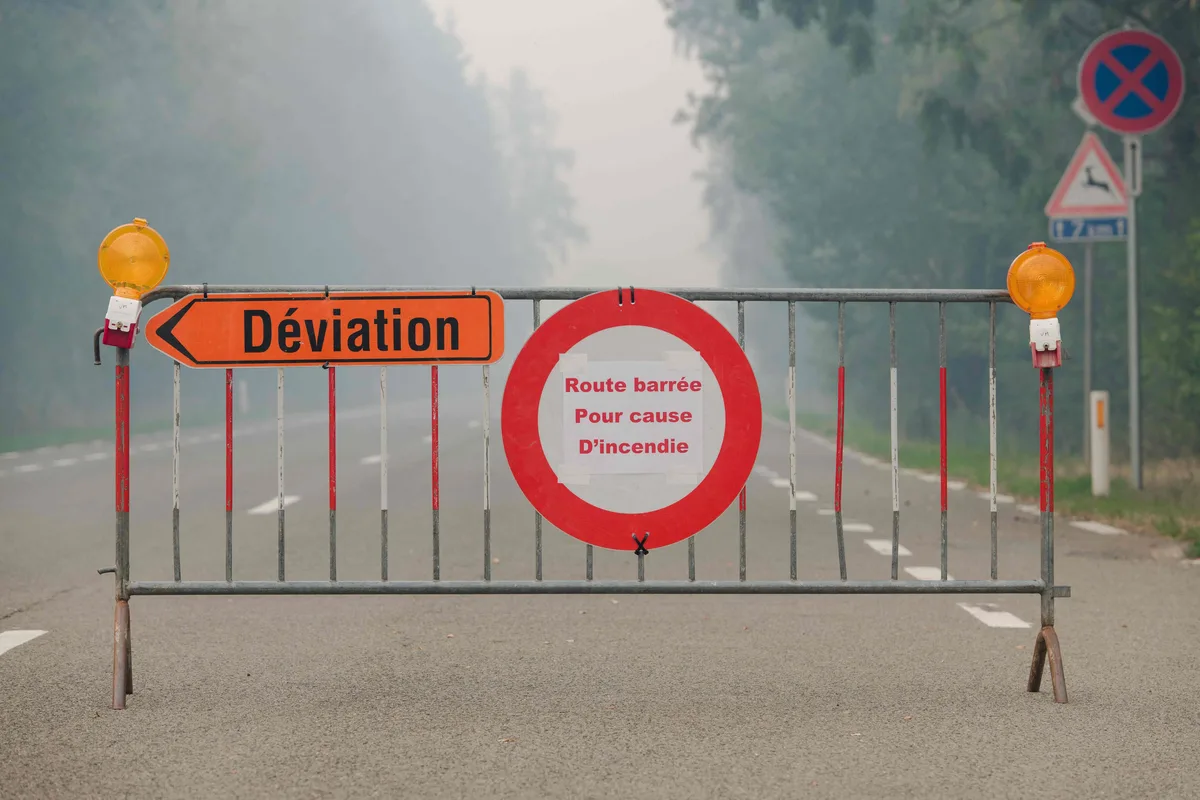
Belgium is facing its largest-ever recorded wildfire that has burned over 3,000 hectares in the High Fens nature reserve near the German border since the evening of August 14, 2026 [1, 2, 3, 4, 5]. The fire remains uncontrolled as of today, August 17, after rapidly spreading through the complex terrain of peat bogs, heather, and wooden walkways that complicate firefighting efforts [1, 2, 4, 5].
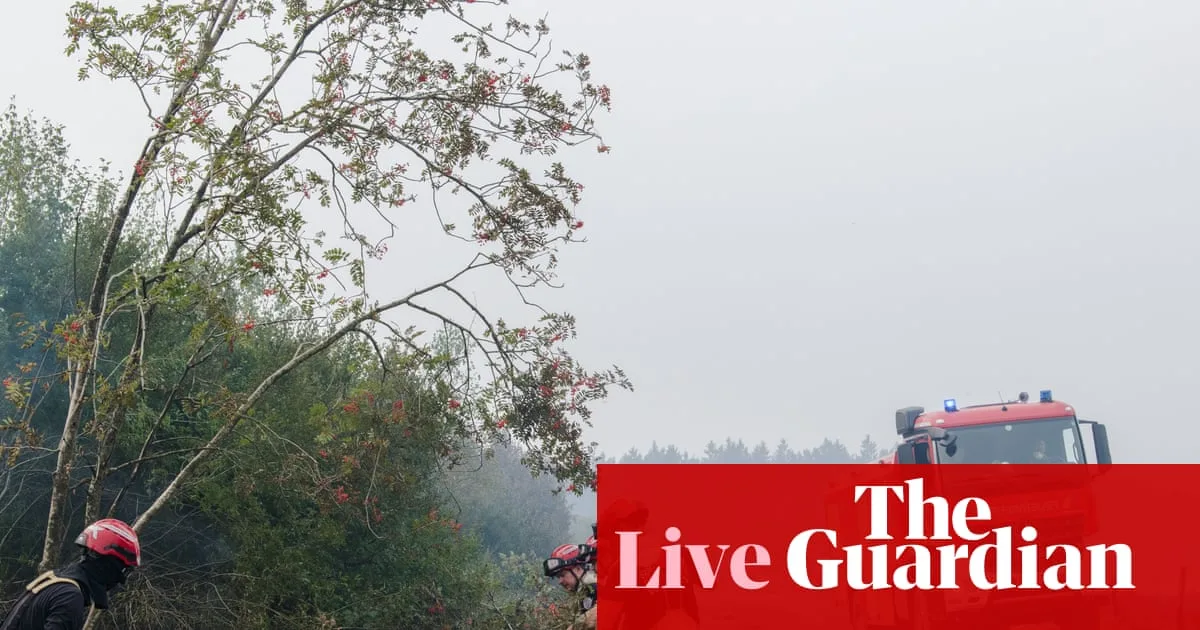
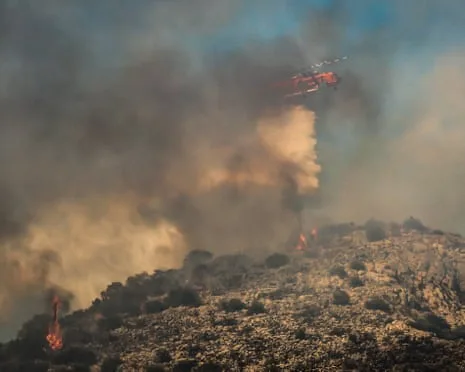
Over 250 firefighters and emergency personnel from Belgium, Germany, and Luxembourg are deployed on the ground, supported by five aircraft from the Czech Republic, Sweden, and the Netherlands activated through the EU civil protection mechanism [1, 2, 4, 5]. High temperatures reaching 37°C and dry, shifting winds since the fire’s outbreak have worsened the blaze, making containment difficult [1, 2, 4].
The fire has approached or crossed into German territory near the town of Monschau, prompting partial evacuation orders for hundreds of residents on both sides of the border. In Belgium, about 600 people including villagers, tourists, and summer camp groups were evacuated starting August 15 due to the fire’s proximity and smoke risk [1, 2, 6, 4, 5]. Fire lines have come within 1.8 to 3 kilometers of Monschau’s residential areas [6, 4, 5]. So far, no buildings have been destroyed.
Belgian Prime Minister Alexander De Croo expressed gratitude for international assistance, saying “感谢我们的欧洲伙伴提供的援助” (Thanks to our European partners for their help) [2]. EU Commissioner Hadja Lahbib linked the wildfire to climate change, stating, "This wildfire is the latest sign of worsening climate change in Europe. The wildfire season has never started this early or spread to such high latitudes before" [1]. Belgian newspaper Le Soir described the fire as “no longer just a warning” [3].
King Philippe of Belgium is scheduled to visit the affected region this morning to assess the situation [3]. Firefighting teams continue to battle the blaze on multiple fronts, relying heavily on aerial support due to the difficult terrain. Authorities remain on alert as dry conditions and shifting winds keep the fire unpredictable [1, 2, 4, 5].