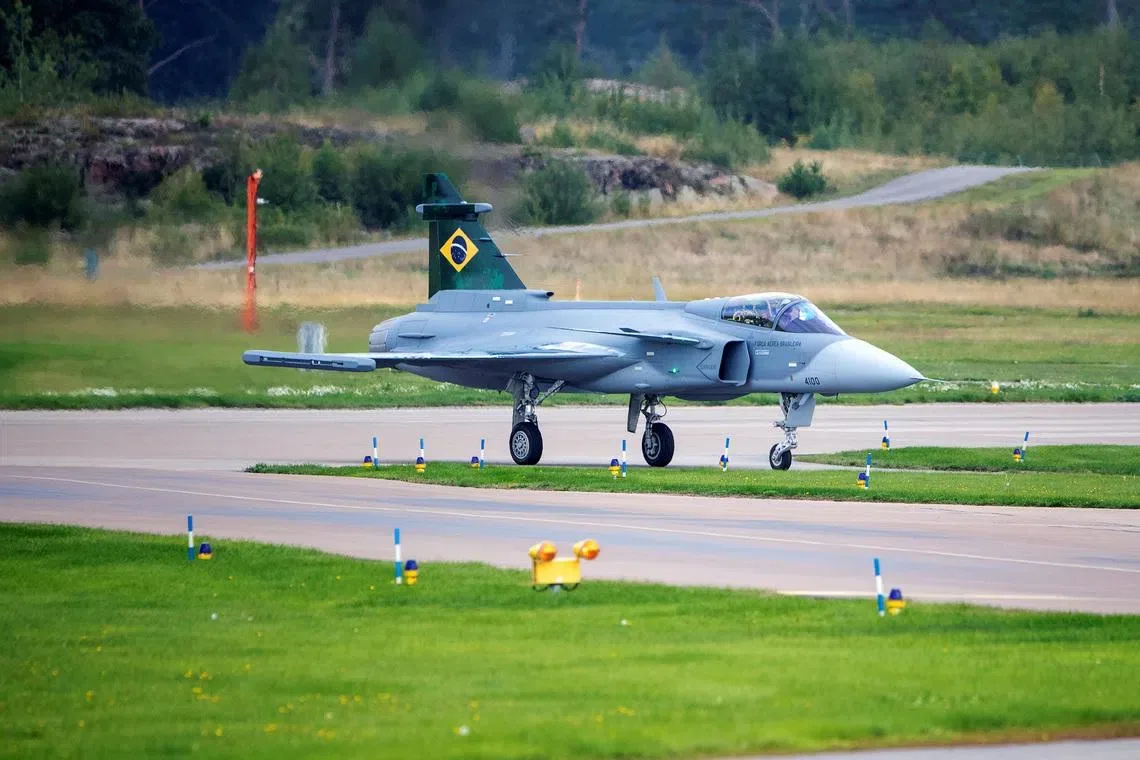
Brazil has shown interest in purchasing 20 additional Gripen E and F fighter jets from Swedish manufacturer Saab, with production set to occur in Brazil, Swedish Defence Minister Pal Jonson said [1]. Brazil originally signed a deal in 2014 to buy 36 Gripen jets and launched a production line with Saab in Brazil in 2023. The first jets from this order have been delivered, with the remaining aircraft expected by 2027 [1].
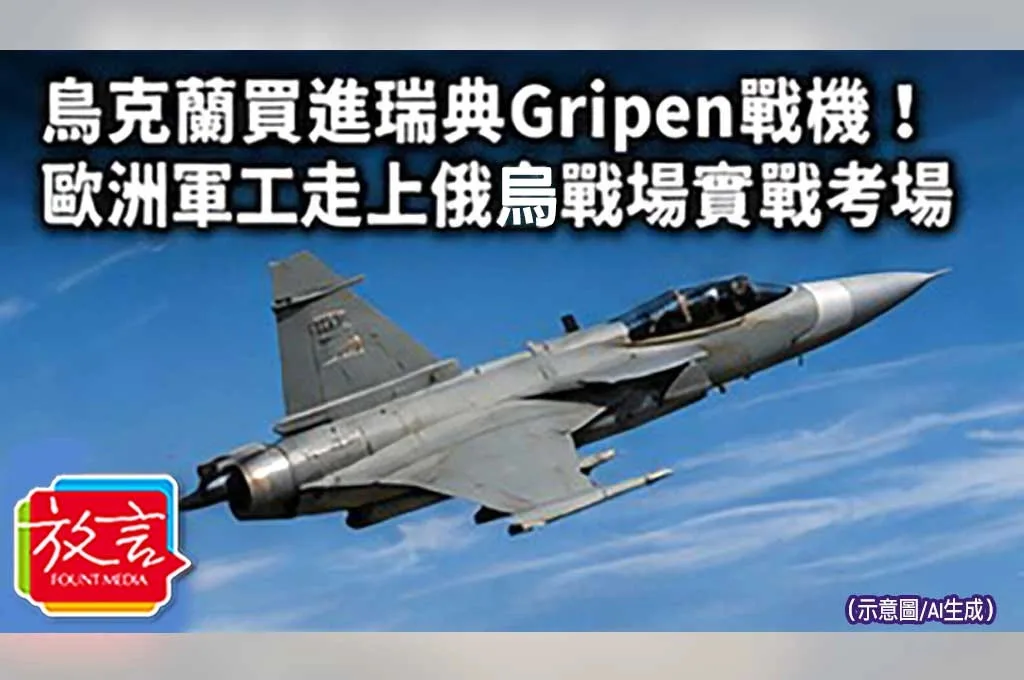
Meanwhile, Ukraine announced in May 2026 that it will buy 20 Gripen E jets from Sweden and also receive 16 older model Gripens as a gift to support its war effort against Russia, Ukrainian President Volodymyr Zelenskiy said [2]. Ukraine has allocated €2.5 billion of a €90 billion EU loan to purchase the first 20 Gripen jets [2]. Sweden may sell up to 150 Gripen fighters to Ukraine over time [2].
The Gripen jets are fourth-generation, single-engine, multi-role aircraft capable of air-to-air combat, bombing, and reconnaissance missions [2]. They offer a low-cost alternative to fifth-generation fighters like the F-35 and are designed to operate from roads and simple runways. This capability allows for dispersed deployment, reducing vulnerability on the ground, which is beneficial for Ukraine’s defense needs [2, 3].
Gripens can also use munitions from multiple NATO suppliers, avoiding dependence on a single nation for weapons supply [2]. The aircraft have been deployed in various roles including NATO air-policing missions over Poland in 2025 and operations in Libya in 2014 [2]. They entered direct combat for the first time in 2026 when Thailand used them during a confrontation with Cambodia [2].
Brazil’s original 36-jet order included a production partnership with Embraer to manufacture the aircraft domestically [1]. The new potential purchase of 20 more jets would further extend Brazil’s Gripen fleet [1]. Ukraine’s Gripen acquisition aims to enhance its air capabilities with jets compatible with NATO munitions and capable of operating flexibly under wartime conditions [2, 3]. The deliveries for Brazil’s existing order are scheduled to conclude in 2027 [1].