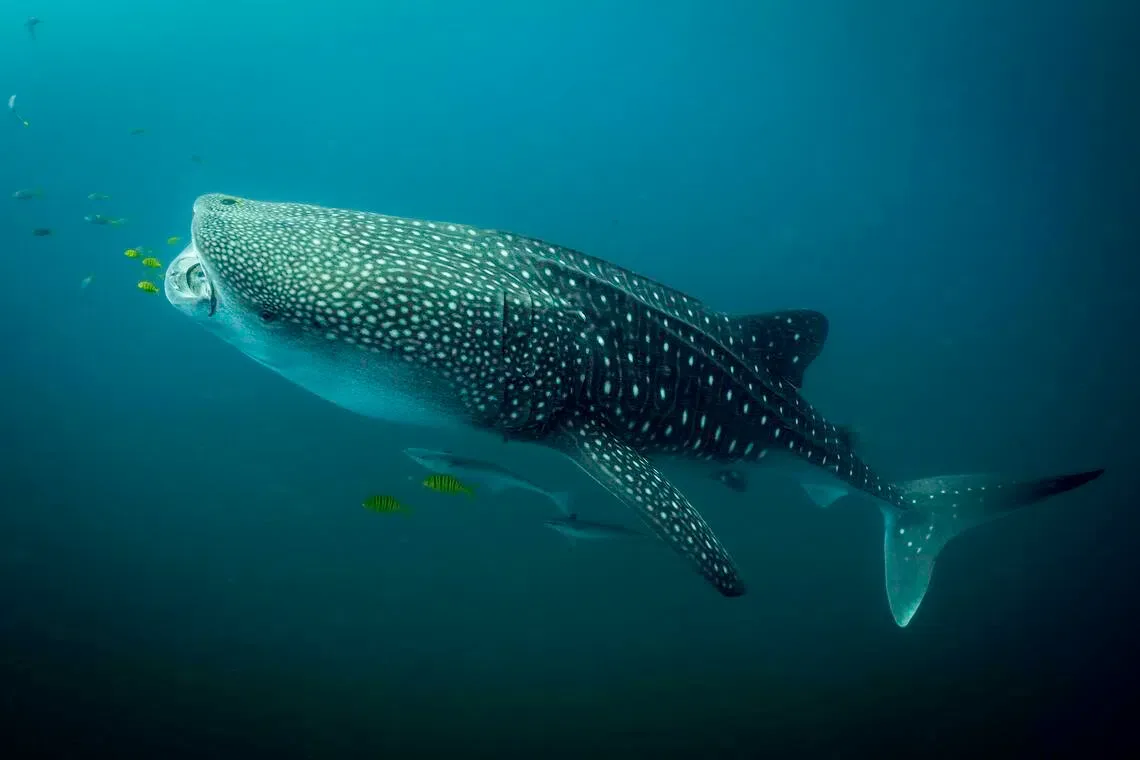
A ten-year satellite tracking study monitored 70 whale sharks across 13 countries in the Indo-Pacific region from 2015 to 2025 to understand their migration and habitat use [1, 2]. The study, led by Konservasi Indonesia and senior manager Mochamad Iqbal Herwata Putra, generated one of the largest datasets of its kind [1, 2].
Indonesia emerged as a global stronghold for whale sharks. Researchers identified Saleh Bay on Sumbawa island and Cenderawasih Bay in West Papua as two major year-round habitats located approximately 2,000 kilometers apart [1, 2]. Over 60% of the global whale shark population is found in the Indo-Pacific Ocean, underscoring the region's importance [1, 2].
Saleh Bay was designated a conservation area by the provincial government in May 2026 and is being considered for Indonesia's first whale shark-focused marine protected area [1, 2]. The area may also serve as a nursery habitat, as newborn whale sharks were discovered there in 2025 [1, 2]. Putra explained, "Our research shows that Indonesia plays a central role in whale shark connectivity across the Indo-Pacific, while also revealing how limited their year-round habitat truly is" [1].
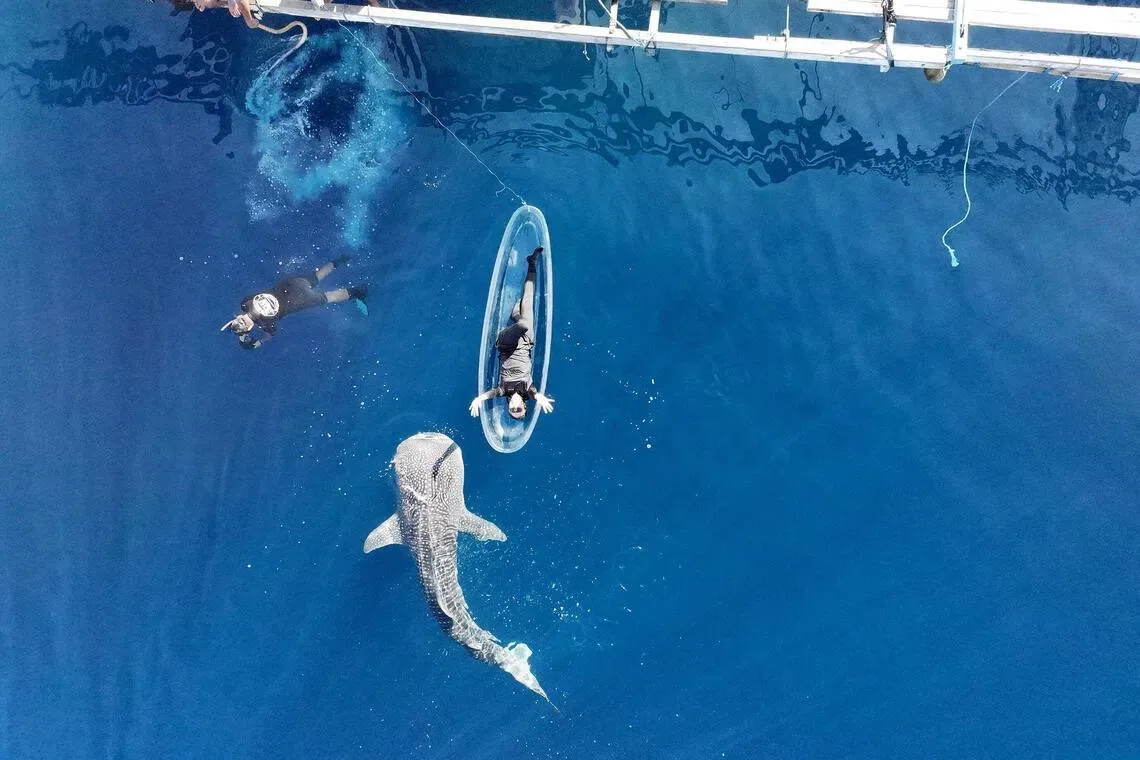
Researchers collaborated closely with local fishermen, especially near wooden fishing platforms called bagan, to tag whale sharks for satellite tracking [1, 2]. Whale sharks are filter feeders that consume plankton, krill, and small fish, making these coastal waters critical for their survival [1, 2].
Putra emphasized the conservation significance, saying, "Through the protection of their ‘childhood home’, we can make sure that important areas for whale sharks can be managed effectively and support the recovery of the population" [1].
The designation of Saleh Bay as a conservation area in May 2026 marks a concrete step toward greater protection of whale sharks in Indonesia [1, 2].