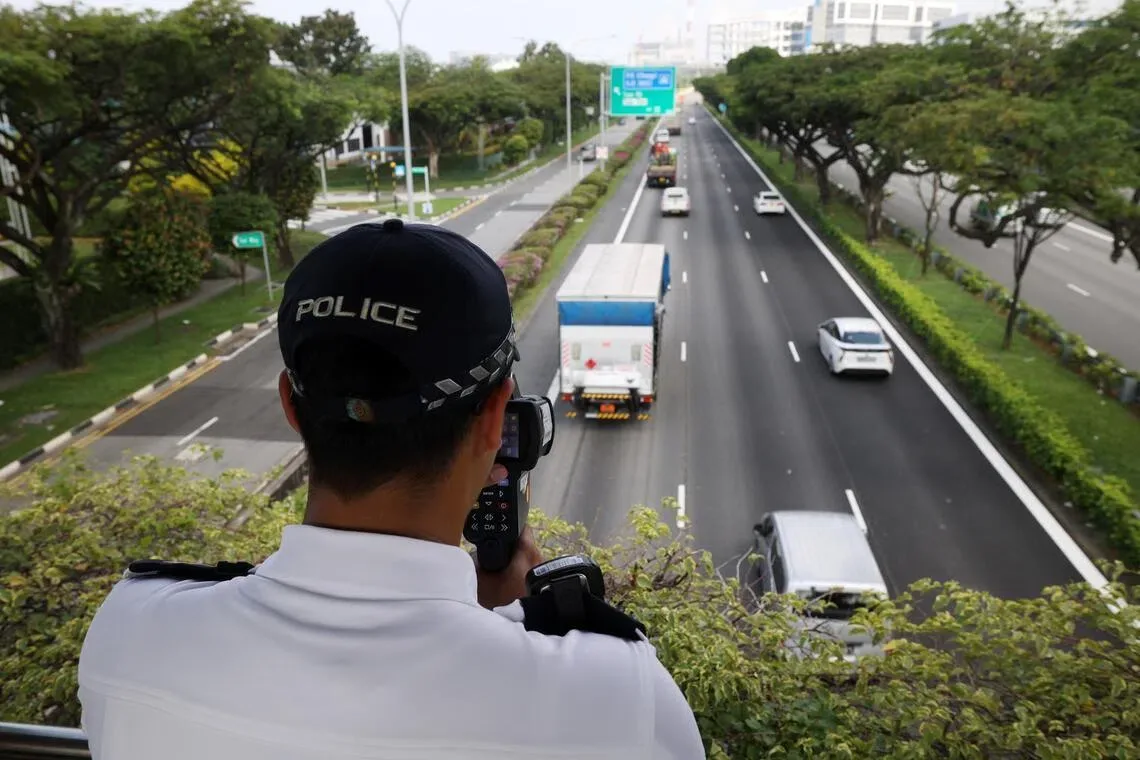
Eight heavy vehicle drivers in Singapore will be charged on June 2, 2026, for exceeding speed limits while operating vehicles not fitted with legally mandated speed limiters [1, 2]. Six of the drivers operated buses, one drove a cement mixer, and one was a prime mover driver [1, 2].
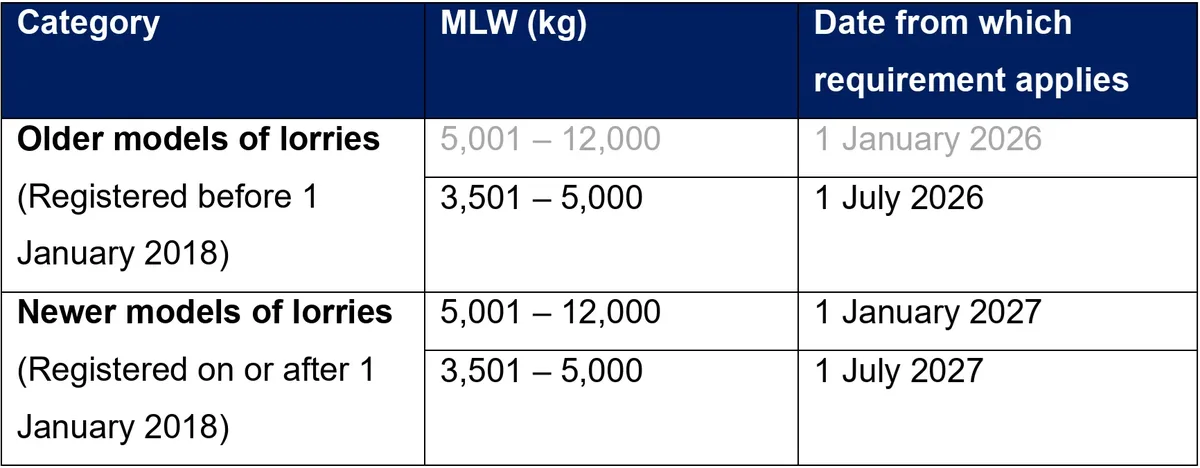
The drivers, aged between 25 and 51, committed the offences from April 2025 through February 2026 [1, 2]. Speed limits for the vehicles were set at 60 km/h for buses, 40 km/h for the cement mixer, and 50 km/h for the prime mover [1, 2]. All the vehicles involved lacked required speed limiters, which have been compulsory since January 1, 2026, for heavy vehicles above certain weights [2].
As of May 1, 7.4% of vehicles needing speed limiters have not complied with the regulation [2]. Potential penalties for the drivers include fines up to SGD 1,000 and jail terms up to three months for first offences, with higher penalties for repeat violations—up to SGD 2,000 in fines and six months’ imprisonment [1, 2].
The speeding incidents occurred on various Singapore roads, including the Pan Island Expressway (PIE), Bukit Timah Expressway (BKE), and Sheares Avenue. For instance, on April 18, 2025, a 46-year-old bus driver was caught driving at 77 km/h along PIE towards the East Coast Parkway (ECP) [1]. On February 20, 2026, a 48-year-old prime mover driver exceeded the speed limit at 67 km/h on Sheares Avenue towards Central Boulevard [1].
Singapore Police warned, "Speeding remains one of the main causes of traffic accidents. When motorists exceed speed limits, they put themselves at risk and significantly increase the likelihood of severe injuries or death to themselves and other road users in the event of an accident" [1]. The Traffic Police emphasized, "We will not tolerate motorists who speed or exceed prescribed speed limits, especially those driving heavy vehicles, given the significant damage and harm such vehicles can cause in accidents" [1].
The upcoming charges mark the start of enforcement action against drivers violating the speed limiter requirement adopted earlier this year. Authorities continue to monitor compliance among heavy vehicles and pursue legal action against offenders to enhance road safety [1, 2].