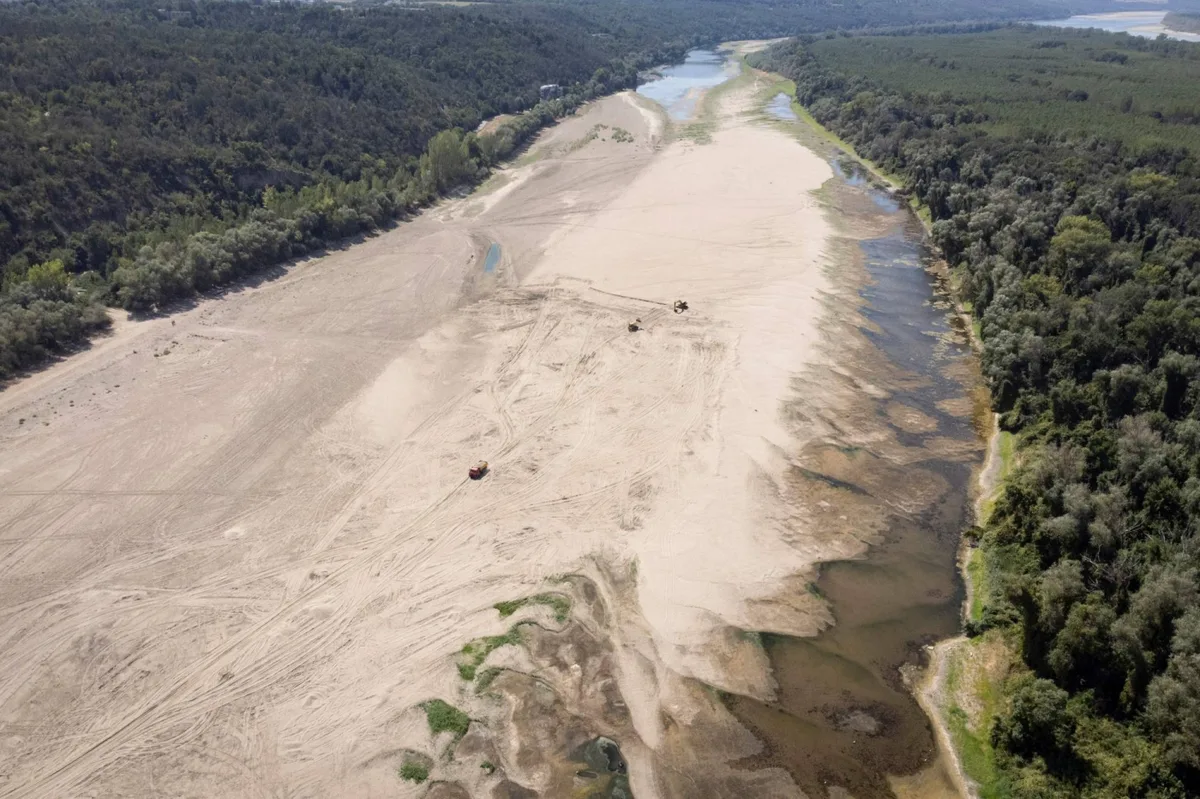
Europe suffered a record-breaking heatwave between mid-July and mid-August 2026, causing over 32,000 excess deaths related to extreme heat and drought conditions across the continent [1, 2, 3, 4, 5]. Data from eight countries—Austria, Belgium, England, France, Germany, Netherlands, Portugal, and Spain—show approximately 33,000 heat-related deaths from late May through August 2026 [1, 2, 3, 4, 5].
Germany reported the highest toll, registering more than 14,000 heat-related deaths from April 6 to August 9, 2026, a new record since monitoring began in 2016. The Robert Koch Institute noted that "people over the age of 75 suffered the most" and described Germany as the European Union’s most populous nation with 82 million people [6, 1, 2, 3, 5].
France experienced around 7,300 excess deaths attributed to the heatwave between late May and July 22 [6, 1, 3, 5]. Spain’s heat-related deaths reached nearly 4,500 from June 1 to August 19, the highest number for that period since 2022 [1, 3, 5].
At least 80 million Europeans endured temperatures of 35°C or higher during the summer heatwaves, with the same number experiencing at least one day above 40°C, including 30 million people in France [6]. The extreme heat also impacted infrastructure and natural environments. In the Alps, record numbers of rockfalls occurred due to ice melting in rock cracks [6].
Drought severely lowered water levels in the Danube River, forcing Bulgaria’s Kozloduy nuclear power plant to reduce its output by about 120 MW for the first time in its 52-year history [6].
The final week of June was the deadliest period, with nearly 16,000 excess deaths recorded across Europe. The first week of July added about 8,000 more excess deaths as the heatwave persisted [1, 3, 4, 5].
The surge in mortality highlights the deadly consequences of sustained extreme heat. Officials and health authorities continue to monitor the situation as summer progresses.