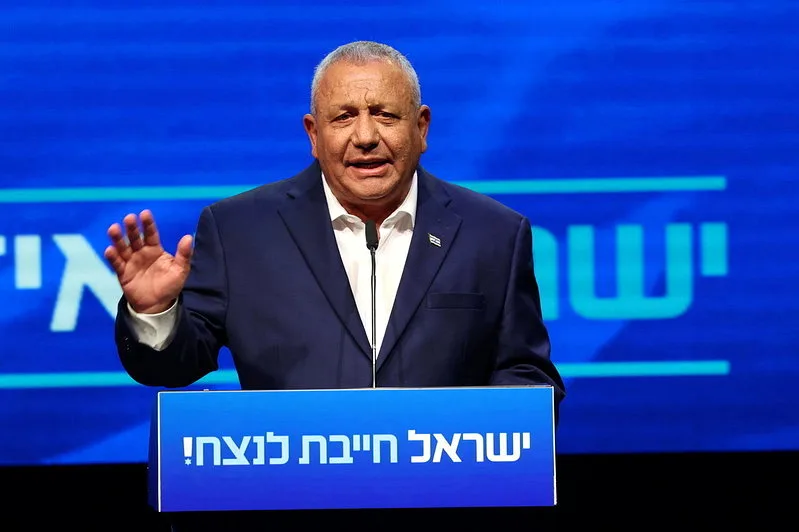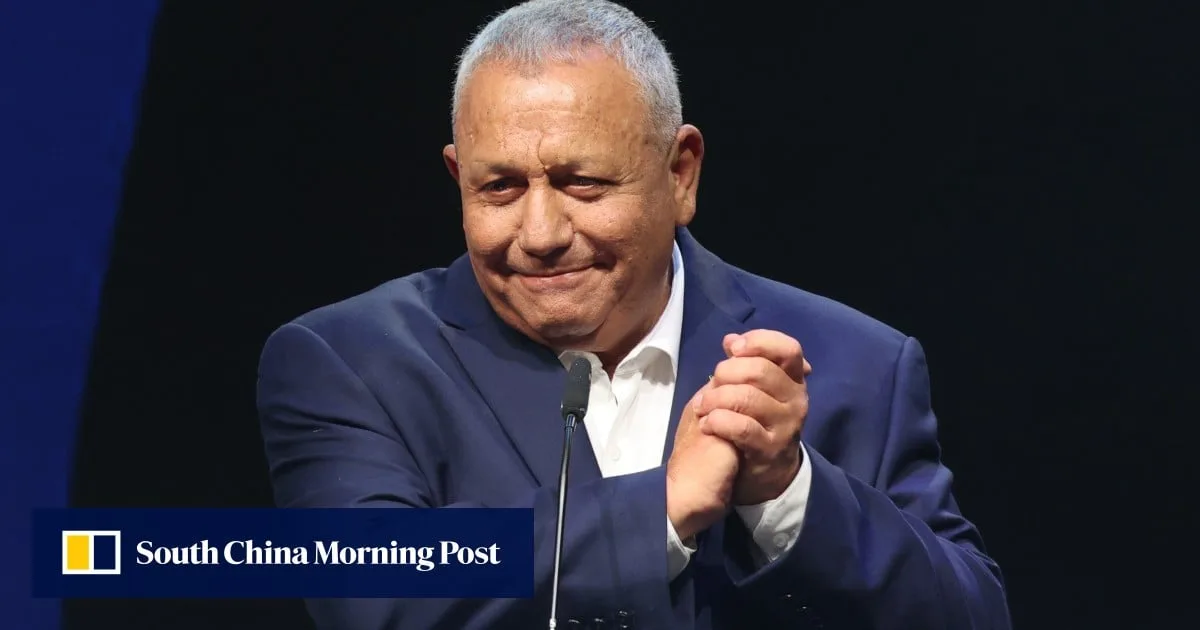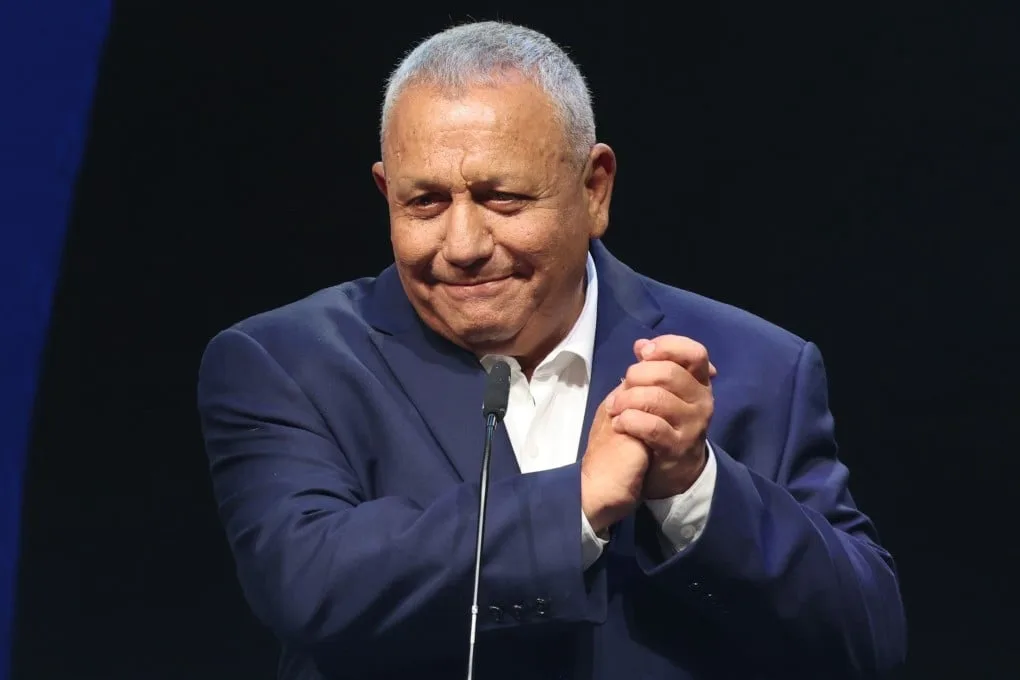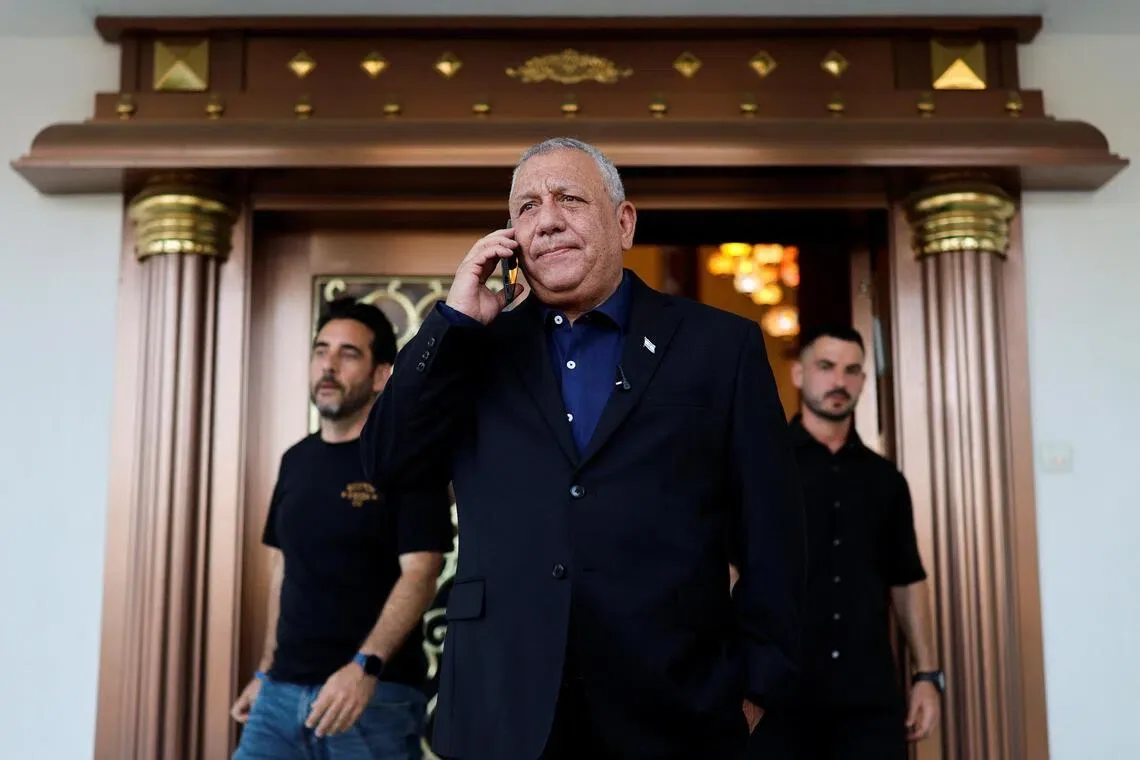
Israel plans to hold a general election on October 27, 2026, with former military chief Gadi Eisenkot emerging as the main challenger to incumbent Prime Minister Benjamin Netanyahu [1, 2, 3, 4, 5].
A Channel 12 poll published on July 27 showed Eisenkot’s new party, Yashar, projected to win 23 seats in the 120-member Knesset, narrowly ahead of Netanyahu’s Likud party at 22 seats [1, 2, 3, 4, 5]. The poll also found 43% of respondents view the 66-year-old Eisenkot as the most suitable candidate for prime minister, compared with 34% supporting Netanyahu [1, 2, 3, 4, 5].
Eisenkot served as Israel’s chief of staff from 2015 to 2019 and was a key architect of the Dahiya Doctrine, a military strategy involving disproportionate retaliation against attacks [1, 2, 3, 4, 5]. Since the October 7, 2023, Hamas cross-border attack that triggered a wider conflict, Eisenkot has dismissed calls for a future Palestinian state as "irrelevant" [1, 2, 3, 4, 5].
His campaign platform includes a 10-point plan focusing on restoring Israel’s security, unity, and democratic institutions. He has pledged to create a state commission of inquiry into the Hamas attack, criticizing Netanyahu’s government for proposing a politically-appointed commission [1, 5]. Eisenkot also seeks a new national security doctrine extending compulsory military service to ultra-Orthodox Jews and Arab citizens [1, 5]. He promises to uphold judicial independence, rule of law, minority rights, and a free press [1, 5].
Eisenkot’s family suffered losses in the Gaza war, with his son and two nephews killed, which has increased public sympathy [5]. He stands in opposition to Netanyahu’s alliance with ultra-Orthodox parties that currently receive exemptions from military service [5]. Unlike Netanyahu, Eisenkot comes from a Moroccan immigrant background and grew up in Israel’s periphery [5].
Other opposition figures including Yair Lapid and Naftali Bennett remain candidates but trail Eisenkot as the strongest Netanyahu challenger [5]. Tel Aviv Hebrew University political scientist Geyil Talshir said many right-wing voters dissatisfied with Netanyahu are seeking a "political home," and for them Eisenkot is now a logical choice [5]. Talshir added that once Eisenkot surpasses Bennett in polls, liberal voters will also shift toward him [5].
Eisenkot’s campaign team stated, "通过这些措施,我们将确保以色列成为一个犹太人占多数、民主、强盛、先进且安全的国家," pledging to make Israel a majority-Jewish, democratic, strong, advanced and secure state [5]. Eisenkot himself criticized Netanyahu’s government on social media, saying, "这是一个选择在残酷战争期间削弱军队的政府,而这个国家最优秀的儿女却正被部署在各个前线," meaning Netanyahu’s government weakens the army amid brutal war while the country’s best are deployed at the front lines [5].
The election on October 27 will test Eisenkot’s growing support and whether he can unseat Netanyahu after more than a decade in power [1, 2, 3, 4, 5].