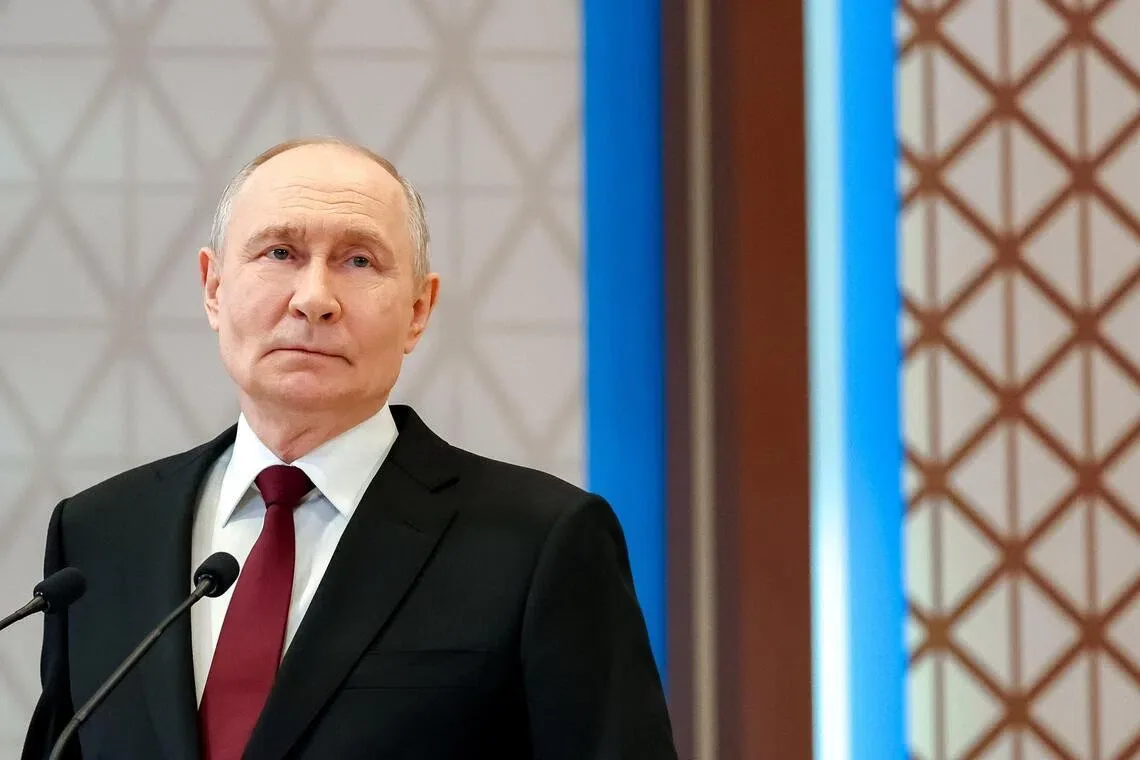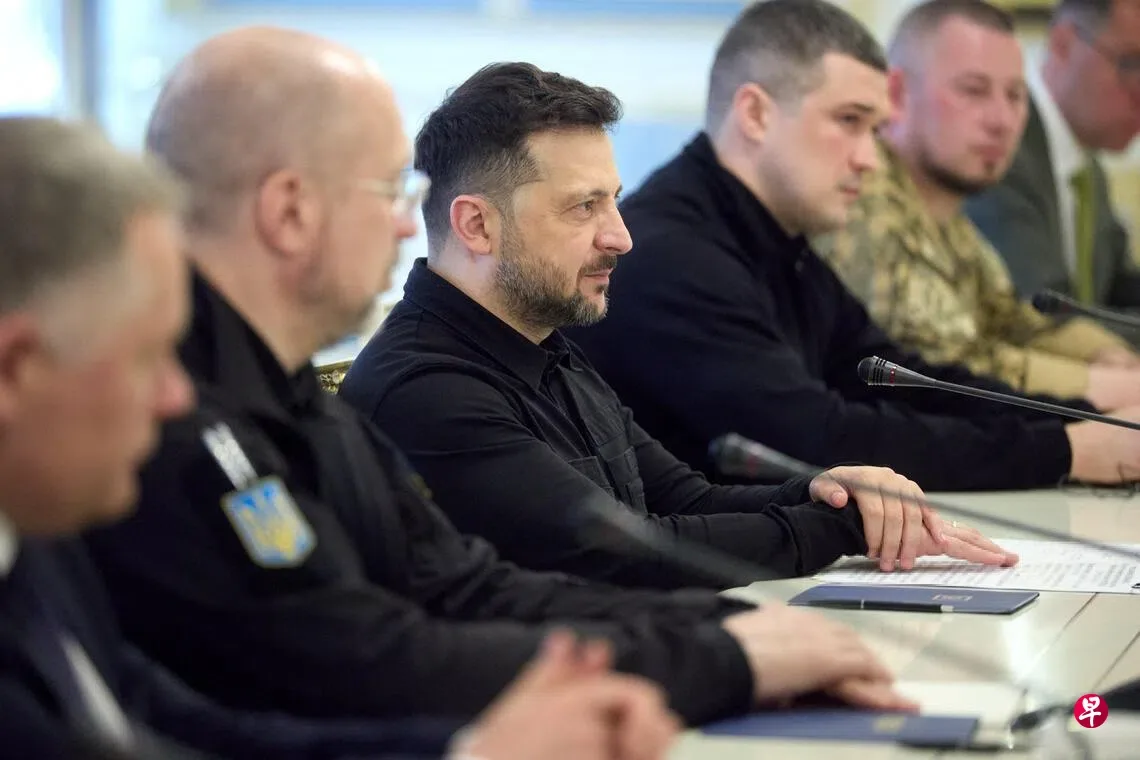
Germany, France, and Britain are working with Ukraine to develop plans for engaging Russia in peace talks to end the war in Ukraine. [1, 2] Officials from the three European nations have discussed the potential for negotiations involving both Moscow and Kyiv and have consulted Ukrainian leaders on the approach. [1, 2]
The effort comes as U.S.-led negotiations have stalled amid mounting battlefield stalemate and Russian losses. [1, 2] Ukrainian forces have achieved increasing success with drone strikes deep inside Russia, shifting momentum on the ground in Ukraine’s favor. [1, 2] There are also signs of resistance to Russian President Vladimir Putin’s war at the highest levels in Moscow, increasing pressure on the Kremlin. [1, 2]
The three countries view these recent developments as an opportunity to bring Putin back to the negotiating table. [1, 2] They want to avoid another winter during which Russia could escalate attacks on civilians and critical energy infrastructure. [1, 2]
The decision to proceed with talks rests entirely with Ukrainian President Volodymyr Zelensky, with European allies agreeing not to pressure him into any strategy he does not support. [1, 2] British Prime Minister Keir Starmer is expected to hold talks in the coming days with German Chancellor Friedrich Merz and French President Emmanuel Macron to discuss next steps. [1, 2]
Some critics within European governments argue it is premature to start talks, saying Putin remains maximalist and insincere—demanding Ukraine cede territory as a condition. [1]
Reports first emerged in early June about the drafting of plans to engage Putin in talks. The coming discussions between Starmer, Merz, and Macron may clarify the timeline for any official negotiations. [1, 2]