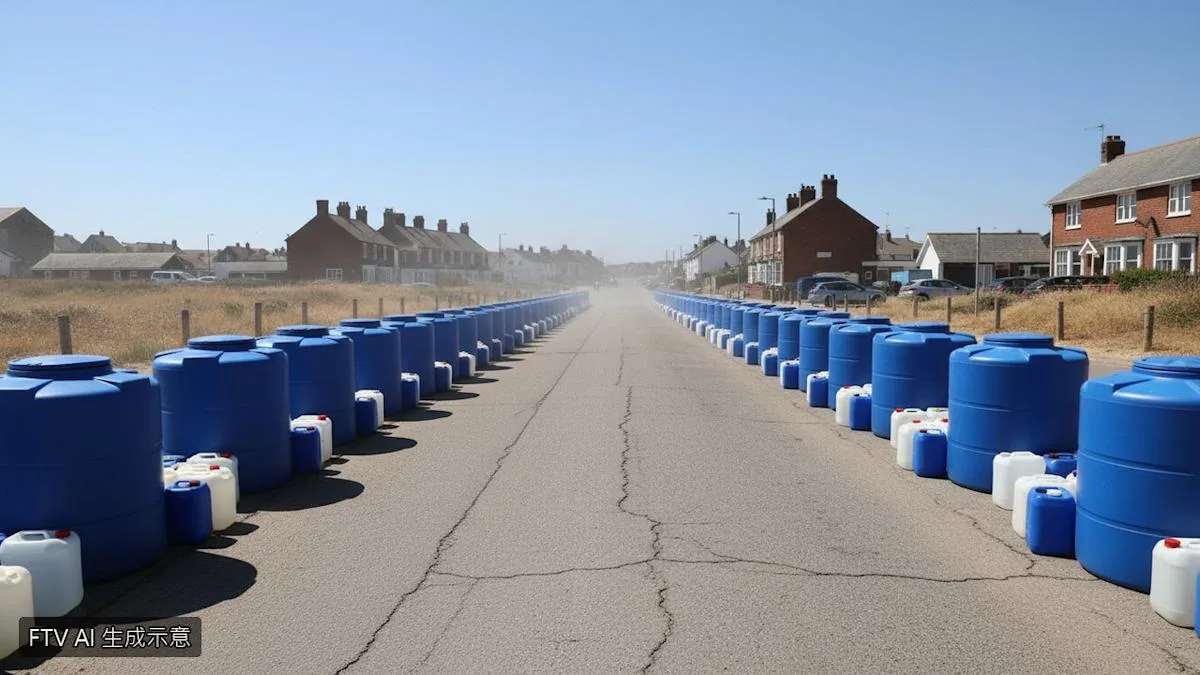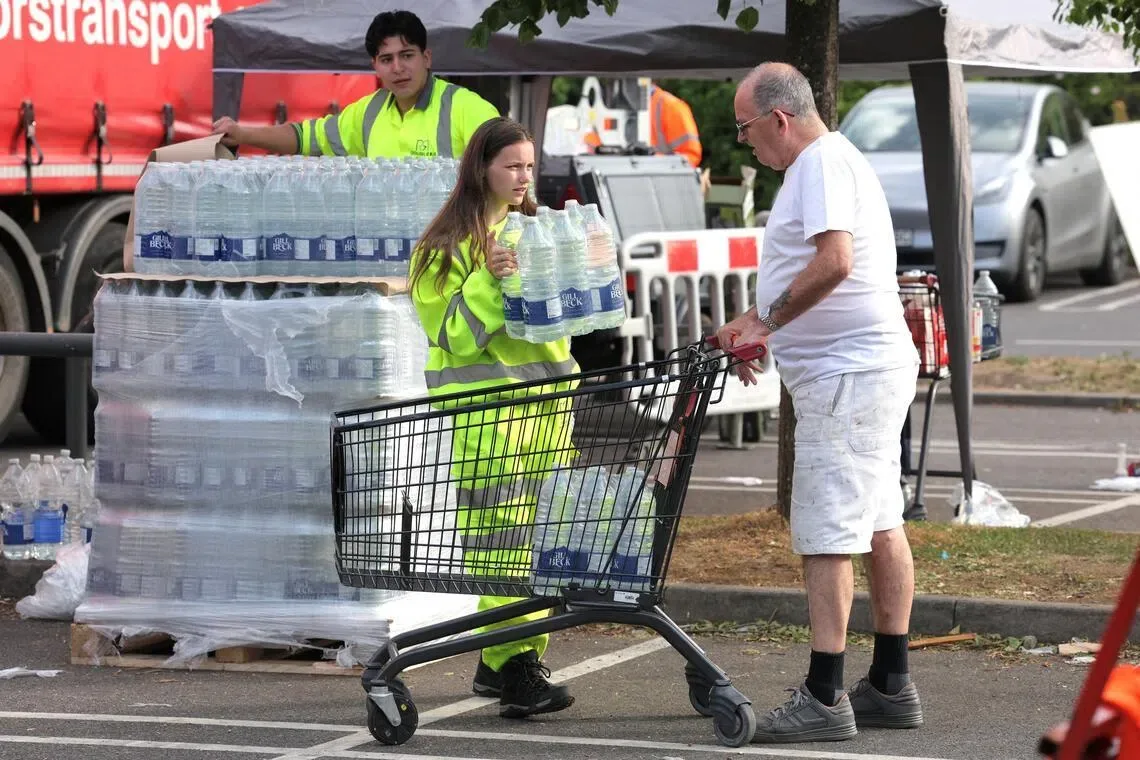
A record-breaking heatwave combined with a dry spring triggered water supply disruptions in southeast England, affecting over 20,000 people. About 8,000 residents in Whitstable faced total water cuts and had to queue for emergency supplies around May 29, 2026 [1, 2].
Temperatures soared past 34°C in May 2026, marking the hottest May day on record in Britain. On May 27, South East Water pumped 628 million liters, approximately 100 million liters above the seasonal average, to meet the unusually high demand covering 2.3 million customers [1, 2].
South East Water apologized for the failures but attributed them to the combination of extreme heat and low storage levels despite preparations for hotter conditions. The company said demand on May 27 was unprecedented and strained the system excessively [1, 2].
Local residents and business owners criticized water companies for blaming climate change and usage rather than investing sufficiently in infrastructure. George, a local resident, said, "I don’t want any of the water companies to start blaming either climate change or usage for their lack of investment." Cafe owner Mark Kidd highlighted the impact on businesses, saying, "If you can’t wash your hands, you can’t make food." [1]
Experts warned that climate change will increase the frequency of extreme heat and dry spells, putting further strain on the UK’s water supply systems [1, 2]. The UK Climate Change Committee estimates that adapting to hotter, drier summers will require infrastructure upgrades costing about £11 billion annually [2].
Water Minister Emma Hardy emphasized on May 29 the need for water companies to improve preparedness for these more frequent extreme heat events, stating, "Water companies must prepare for more frequent periods of extreme heat." [1, 2]
The water supply disruptions peaked on May 29 with emergency water queues in Whitstable and calls from officials for better resilience. The region continues monitoring supply levels and urges conservation amid ongoing hot conditions [1, 2].