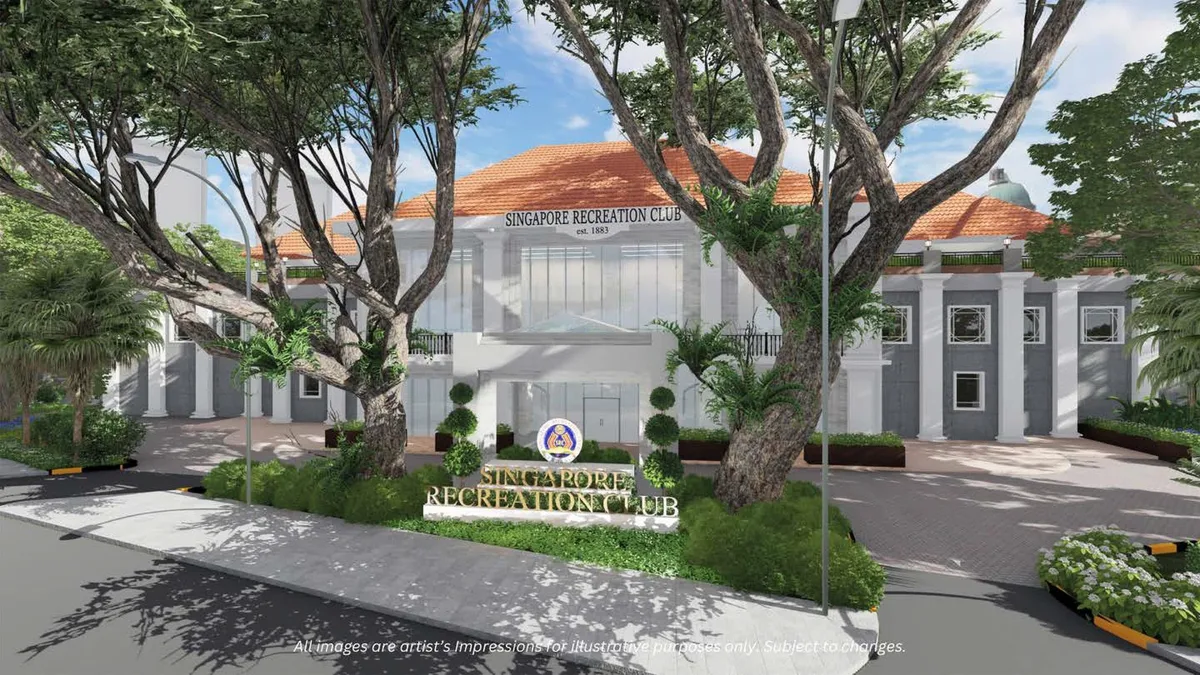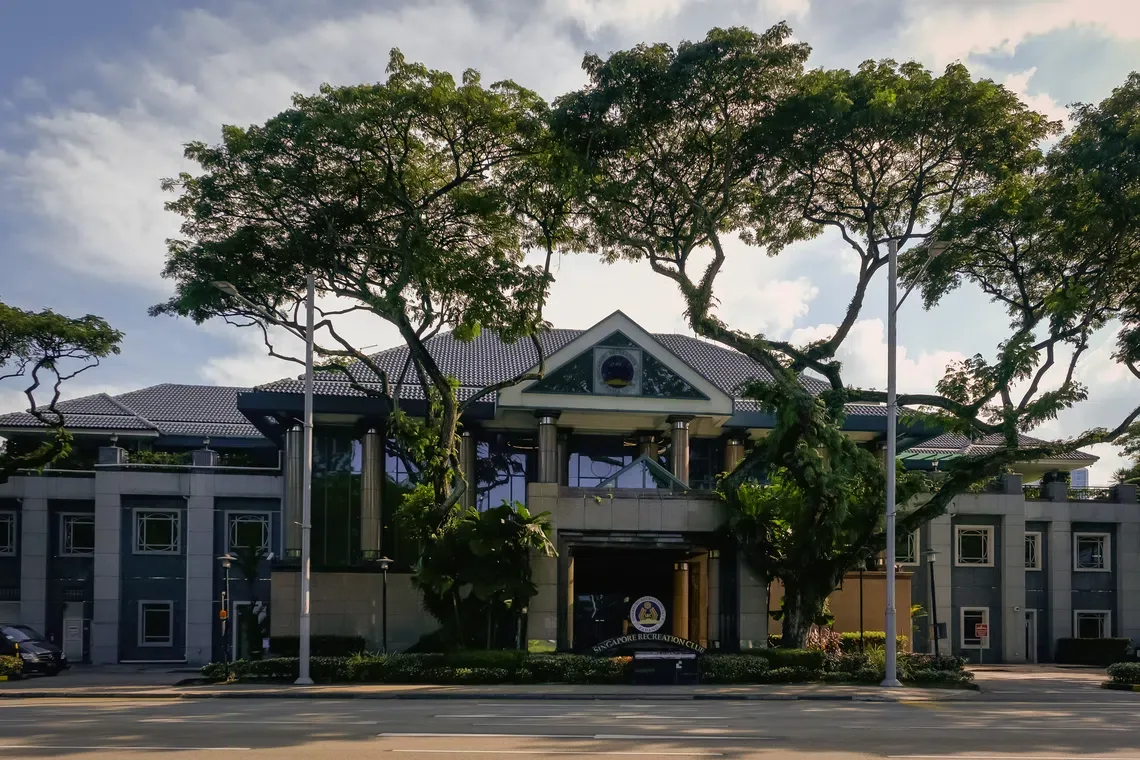
Two members of the Singapore Recreation Club, Sean Kerwin Mathews and Mu Yee Shyong, filed a lawsuit in November 2025 to invalidate a resolution that converted the club’s billiards room into a co-working space [1, 2, 3, 4]. The resolution was passed at an extraordinary general meeting on October 18, 2025, where 151 votes were cast in favour out of 559 members physically present [1, 2, 3, 4]. Mathews and Mu argued that the 151 votes did not constitute a majority of members present as required by the club’s constitution [1, 2, 3, 4].
At the meeting, there were 276 valid votes cast along with 183 spoilt and 55 blank votes [4]. The club’s management committee structured voting such that members could not vote "no" against both resolutions without their votes being spoilt, limiting members’ ability to oppose both items, according to court records [1, 2, 3]. Senior Judge Chan Seng Onn noted, "While it might generally be the case that blank or spoilt votes did not support or oppose a resolution, this in my view was a peculiar case where the members were given conflicting instructions on how they could reject (both resolutions), and where their right to say ‘no’ to (both resolutions) was curtailed" [1].
The dispute stems from renovation plans approved by the club in February 2024, initially budgeted at S$16.6 million, to relocate the billiards room and create a co-working space, with costs rising unexpectedly during 2025 from additional land betterment charges [4]. Members had also approved the renovation and its budget at an extraordinary general meeting in March 2025 [4].
After Mathews and Mu filed their suit, an assistant registrar struck out their claim on May 13, 2026 [1, 2, 3]. The members appealed, and on June 24, 2026, Senior Judge Chan allowed the appeal and ordered the claim to proceed to trial [1, 2, 3, 4]. Written grounds explaining the decision were issued on August 26, 2026 [1, 2, 3, 4]. The club was also ordered to pay the claimants costs of S$30,000 plus disbursements of S$1,901.83 for the appeal proceedings [4].
The case is now scheduled to go to trial, where the court will consider whether the resolution was validly passed under the club’s constitution and whether members’ voting rights were properly upheld.