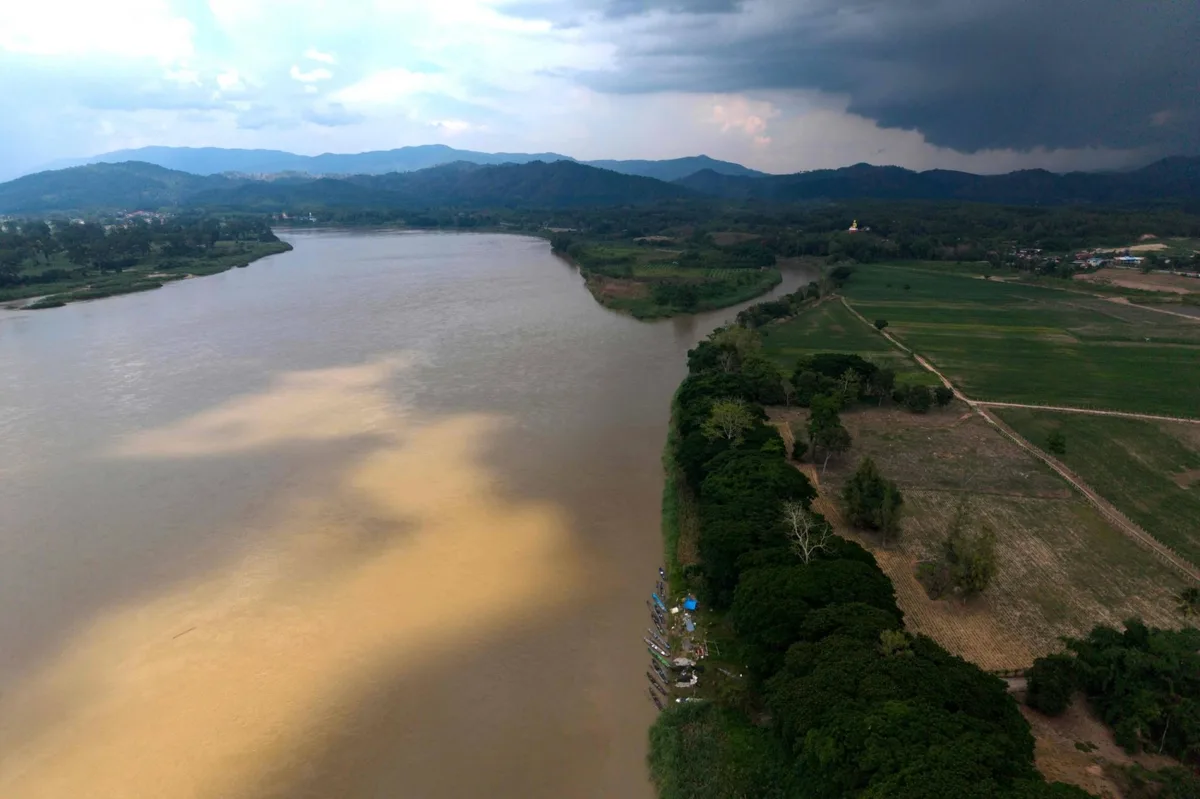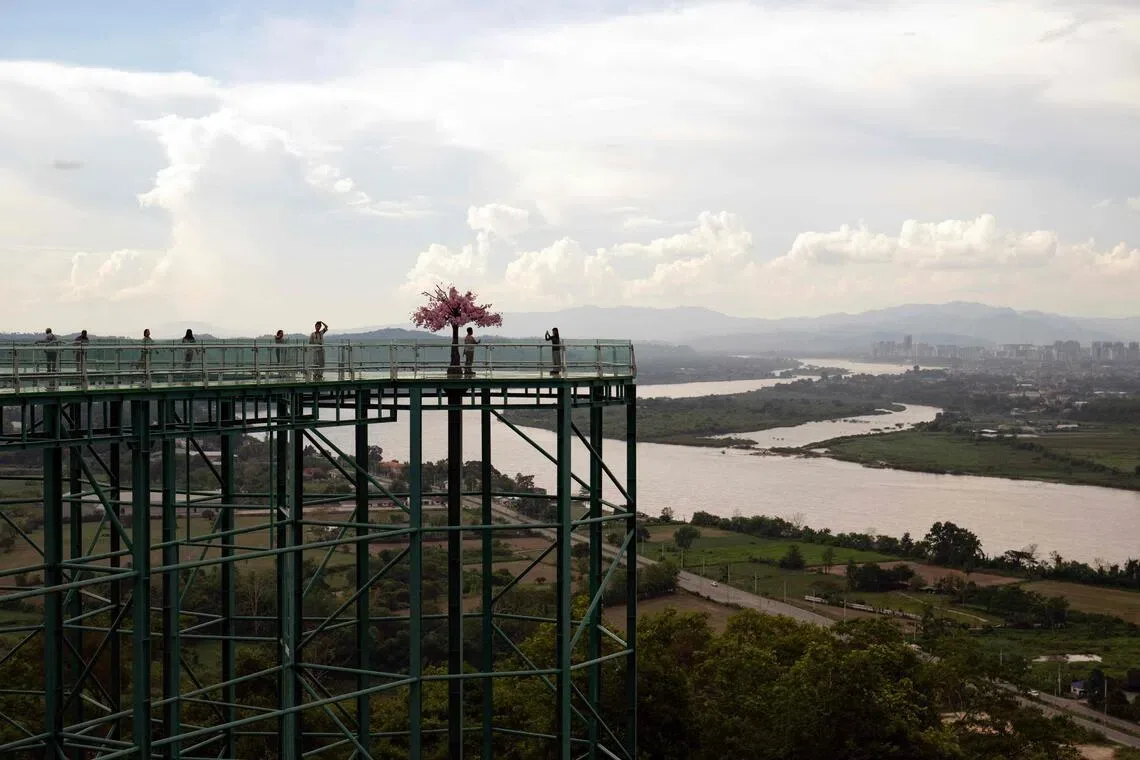
Illegal rare earth mining in Myanmar’s conflict zones has caused severe arsenic pollution in the Mekong River basin, endangering the water and people across several countries, researchers and authorities said [1, 2, 3]. Arsenic contamination was first detected in Mekong tributaries in 2025 and has since spread into the main Mekong River itself [1, 2, 3].
In April 2026, Thailand’s pollution control department found arsenic concentrations as high as 296 milligrams per kilogram of sediment near Chiang Saen. This level is more than nine times the threshold considered toxic to aquatic life [1, 2, 3]. Researchers at Chiang Mai University also recorded arsenic levels 10 times above normal in sediment from the Kok River, a major Mekong tributary [3].
The pollution threatens the Mekong delta’s crucial rice-growing region in Vietnam downstream [1, 2, 3]. Local fisherman Somdet Singthong from northern Thailand reported elevated arsenic levels in his fingernails and urine. He said his fish sales have dropped since 2025 as contamination fears have spread. "The impact has been huge. I’ve never been afraid, but other villagers are worried. They don’t eat fish; some won’t touch it at all," Singthong said [1].
Researchers called the arsenic contamination a "time bomb," warning of long-term cancer and neurological risks. Assistant professor Wan Wiriya said the risks are particularly high for vulnerable populations [3]. Pianporn Deetes from the Stimson Center described how toxins from illegal mining flow all the way to the Mekong delta, contaminating fish and water supplies [3].
The pollution is linked to illegal mining enabled by ongoing civil conflict and weak governance in Myanmar's conflict zones [1, 2, 3]. The Washington-based Stimson Center said the crisis reflects a convergence of conflict, fragmented governance, and global market demand driving extraction at the expense of environmental and human security [3].
Authorities first detected arsenic and other heavy metals in Mekong tributaries in 2025. The Stimson Center released a report on the security threats from illegal mining in Myanmar in May 2026 [1, 2, 3].
Further monitoring and interventions are expected as officials and researchers continue assessing the spread of contamination downstream.