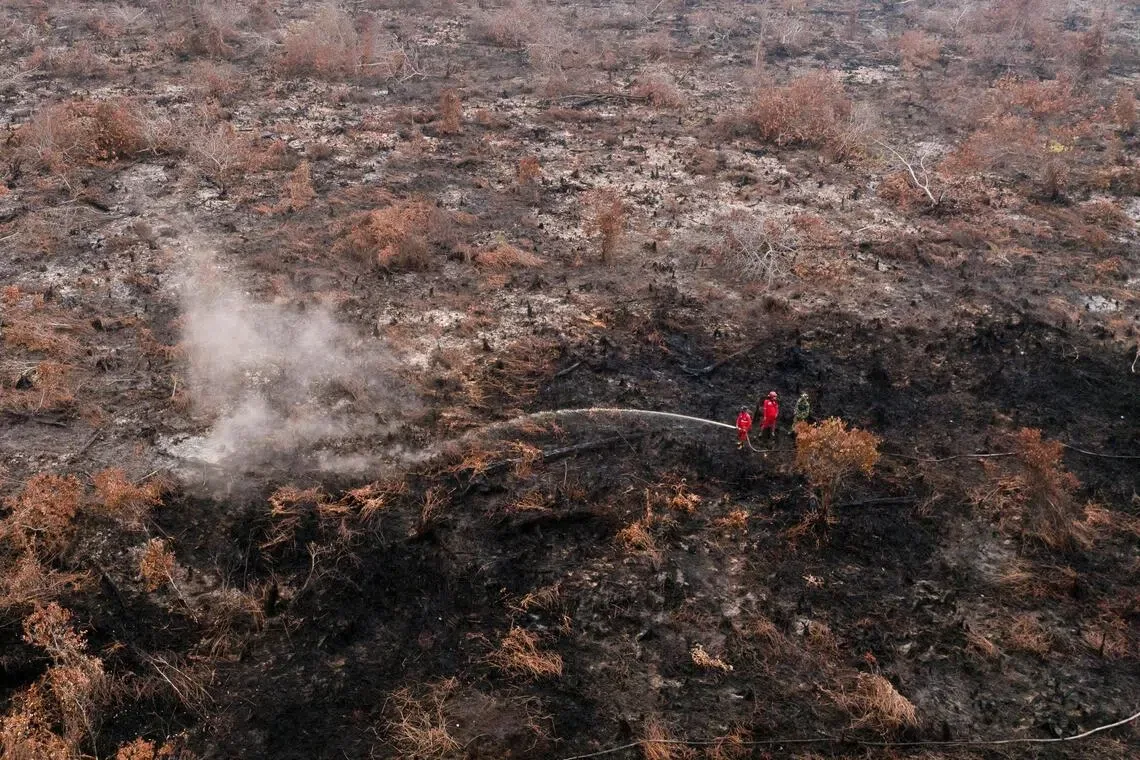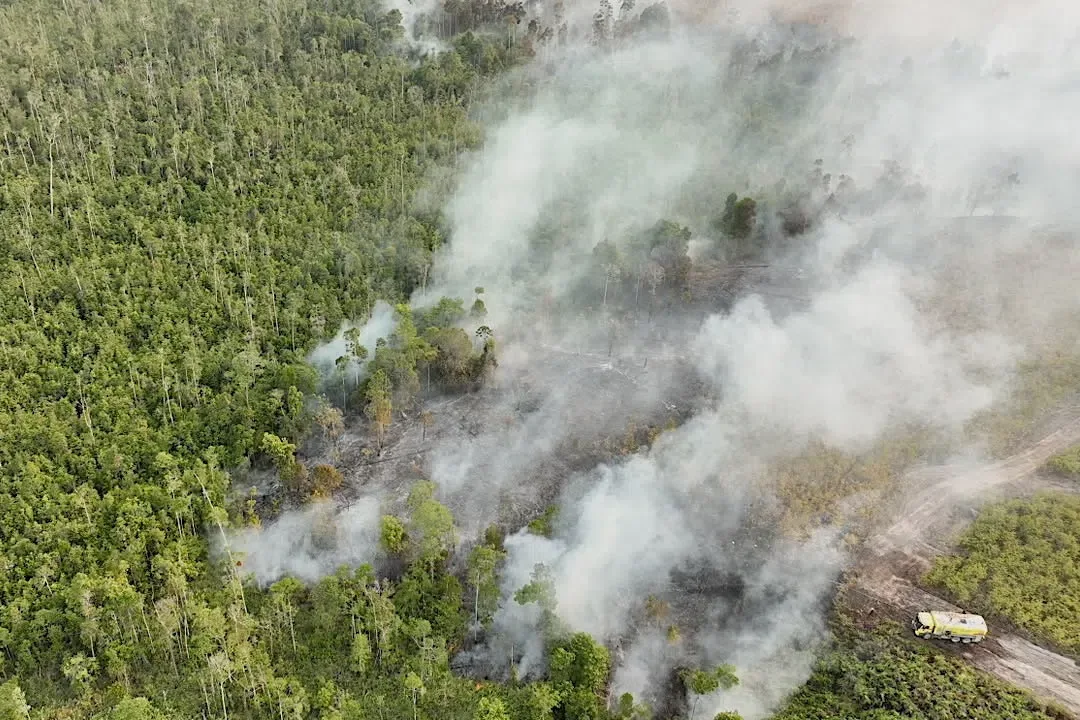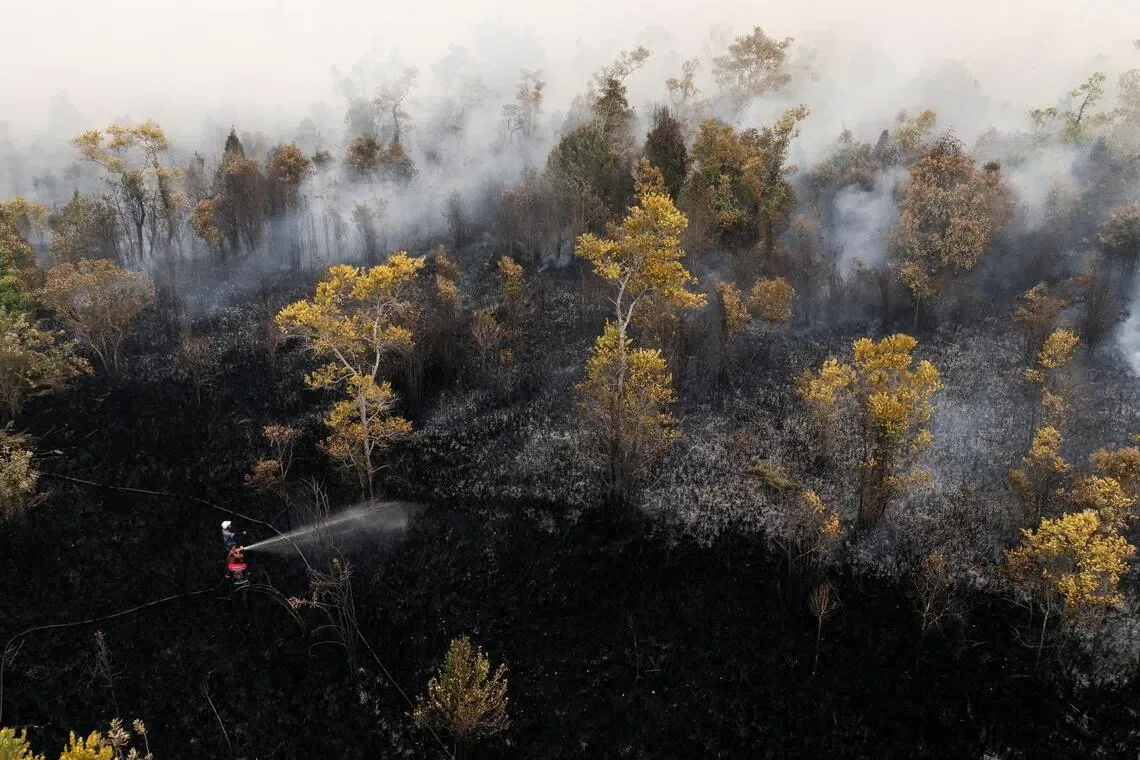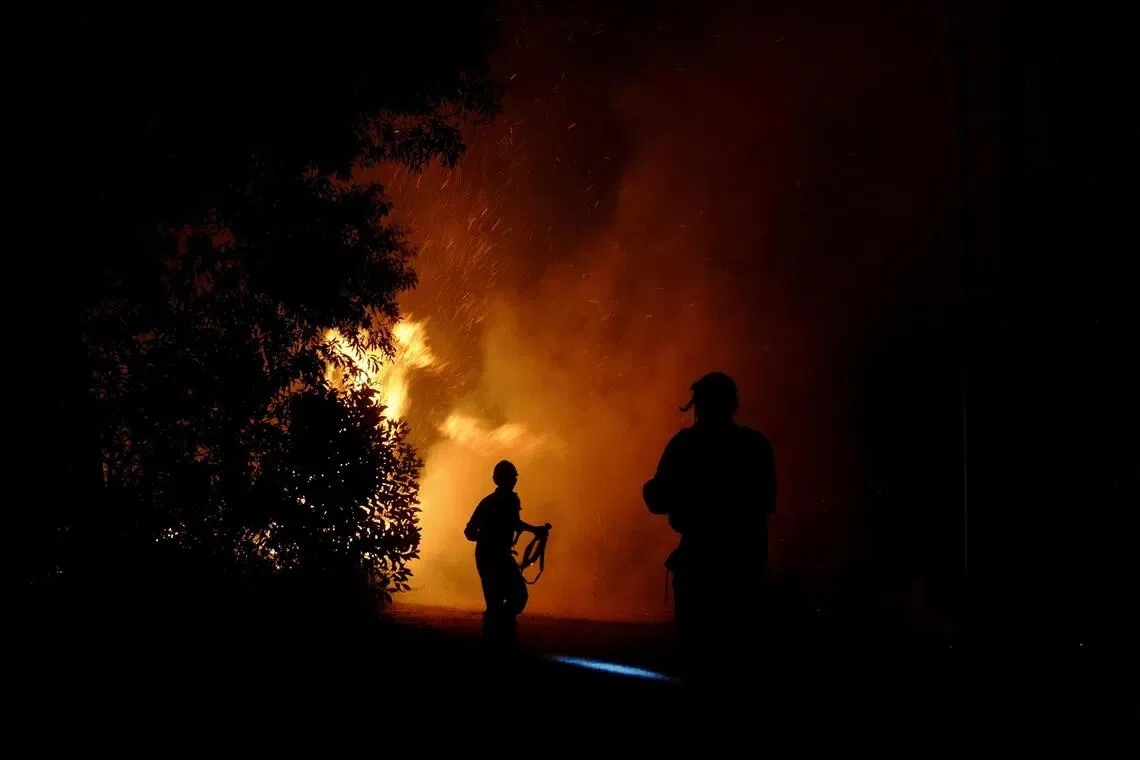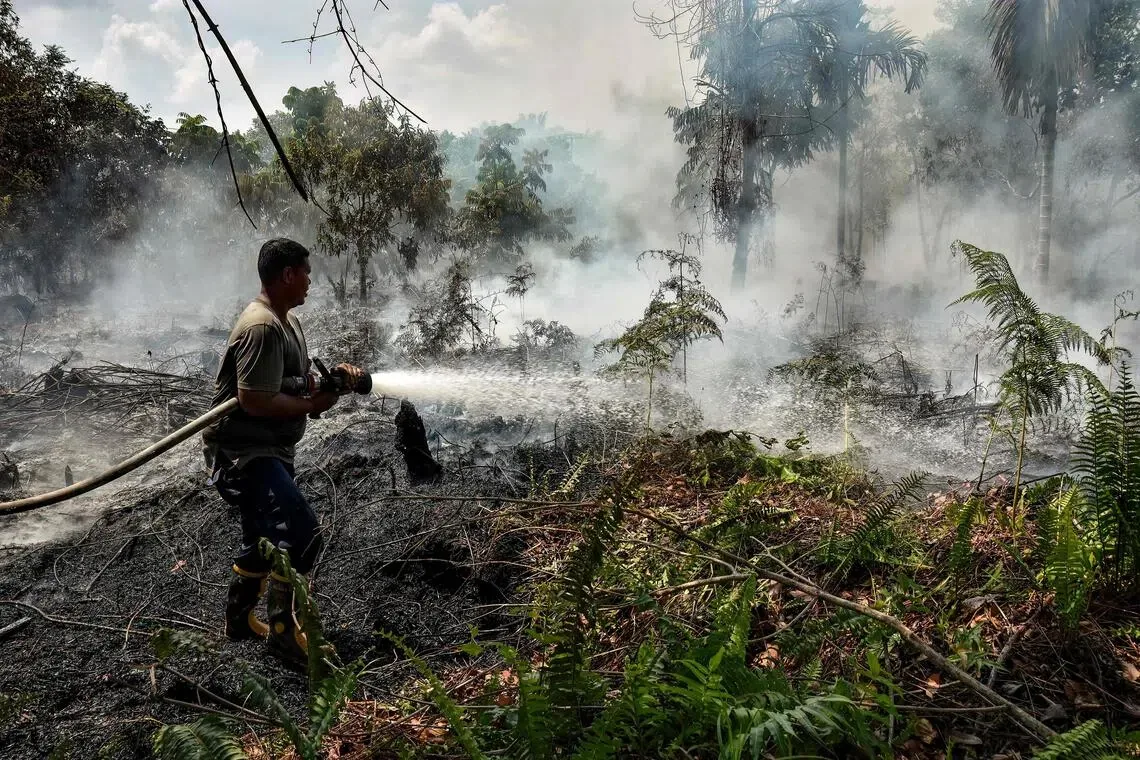
Indonesia sent 1,500 extra soldiers, comprising three battalions, to Borneo on August 22 to fight wildfires that have burned over 200,000 hectares since January, roughly three times the size of Jakarta [1, 2, 3, 4, 5]. President Prabowo Subianto visited West and Central Kalimantan that day to inspect firefighting efforts and ordered the increased deployment along with six helicopters for aerial waterbombing [1, 3, 6, 7, 4, 5]. "We’re taking mitigation measures. The important thing is to immediately stop the spread of fire spots," Prabowo said [1].
The fires have been driven by severe dry conditions caused by a strong El Nino, which has led to widespread drought across the region [1, 2, 8, 4, 5]. Hotspots surged notably in Central Kalimantan, reaching nearly 4,000 as of August 27, with South and West Kalimantan also experiencing high fire activity [9, 10]. Firefighting efforts include ground crews, over 50 aircraft, water pumps, drilling machines, fire engines, and water tankers, combined with weather modification attempts [11, 9].
At least four companies in West Kalimantan are under investigation for potentially starting fires. Licenses may be revoked if violations are confirmed, State Secretary Minister Prasetyo Hadi said, "If violations are found, we will not hesitate to take action" [3, 6, 7, 11].
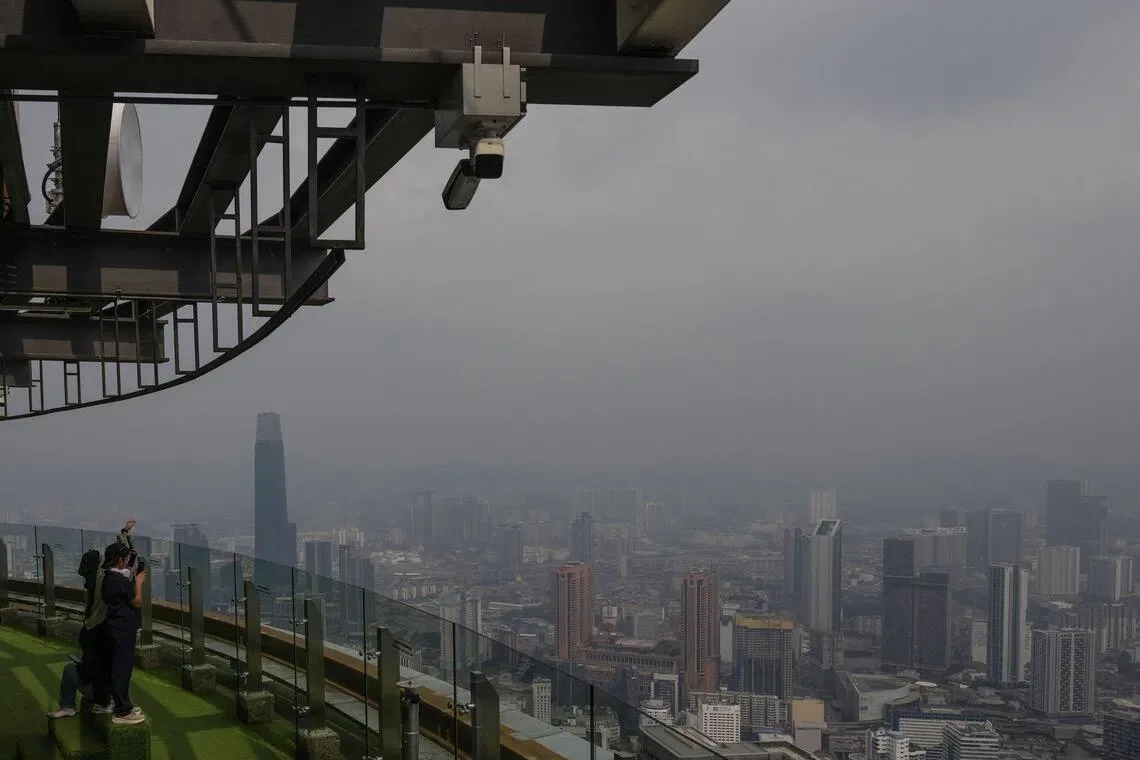
Smoke from the fires has caused hazardous air quality across Indonesian Borneo and drifted into Malaysian Borneo’s Sarawak. Local officials advise residents to wear masks and reduce outdoor activities. BNPB Acting Head Berton Panjaitan urged, "If outdoor activities are necessary, please continue to wear masks. Those affected by the smoke should immediately seek assistance at the nearest community health centre, clinic or hospital" [1, 2, 5, 10]. Air pollution reached dangerous levels on August 28, led by Pekanbaru with an ISPU reading of 835 [10].
In South Sumatra, wildfires caused school closures and prompted around 3,000 residents in Palembang to hold prayers for rain on August 25. Governor Herman Deru said, "As people of faith, we are also praying to God to send rain so that life can return to normal" [11].
Satellite data on August 20 showed over 224,000 fire hotspots across Indonesia amid continuing dry conditions [8]. Indicative burned area in six provinces across Sumatra and Kalimantan reached about 75,000 hectares by late August, with West Kalimantan accounting for the largest share [9, 10].
President Prabowo’s team approved additional firefighting resources including helicopters, water pumps, fire engines, and water tankers at coordination meetings on August 22 [3, 6, 7]. The government continues active firefighting and enforcement actions to contain the widespread blazes.
The authorities remain focused on stopping the spread and increasing hotspots as the dry weather persists. Fire crews and equipment continue operations across multiple affected provinces.