Indonesia passed the Domestic Workers’ Protection Law on April 21, 2026, marking a major change after 22 years of campaigning by labor groups and advocates [1, 2, 3, 4, 5]. The law now officially recognizes domestic workers as employees entitled to rights including reasonable work hours, paid leave, social security benefits, and written contracts [1, 2, 3, 4, 5].
The country has an estimated 4 to 5 million domestic workers, with about 166,000 working as overseas domestic helpers in Singapore [1, 5]. Domestic work in Indonesia traditionally involved live-in arrangements with unlimited hours and blurred boundaries. Data shows a sharp decline in live-in workers—from about 1 million in 2008 to 683,000 in 2015—as preferences shift toward fixed hours and more formal labor protections [1, 5].
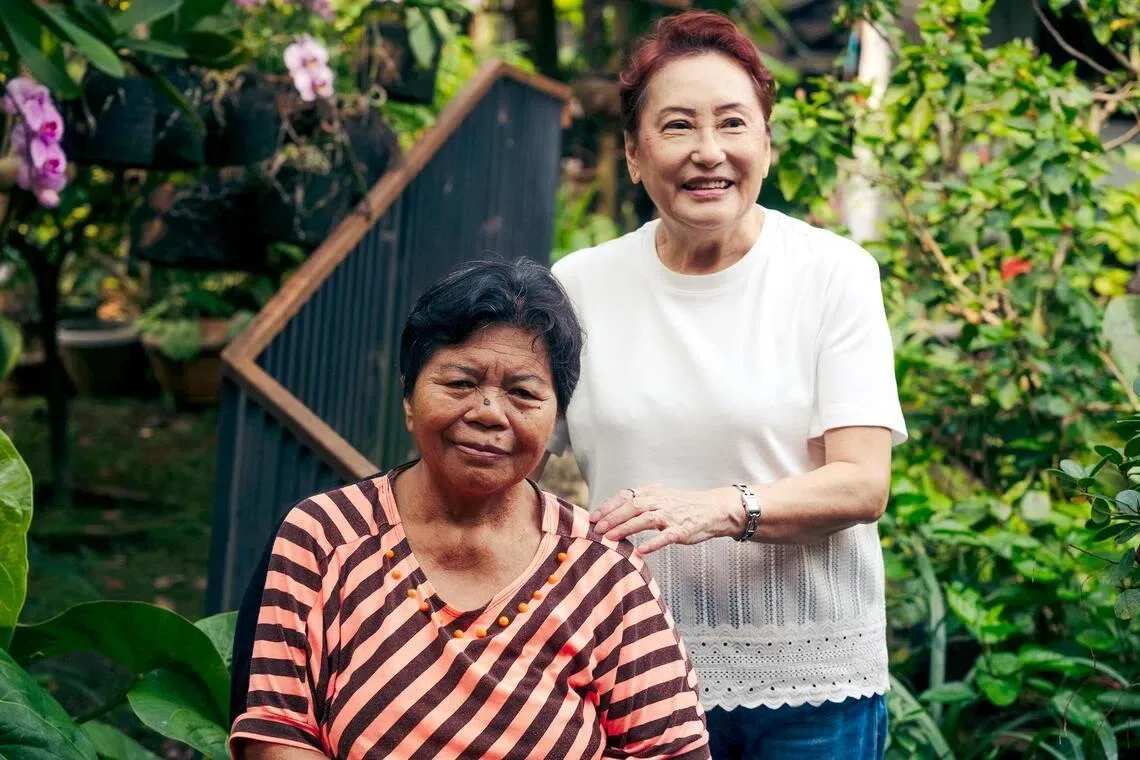
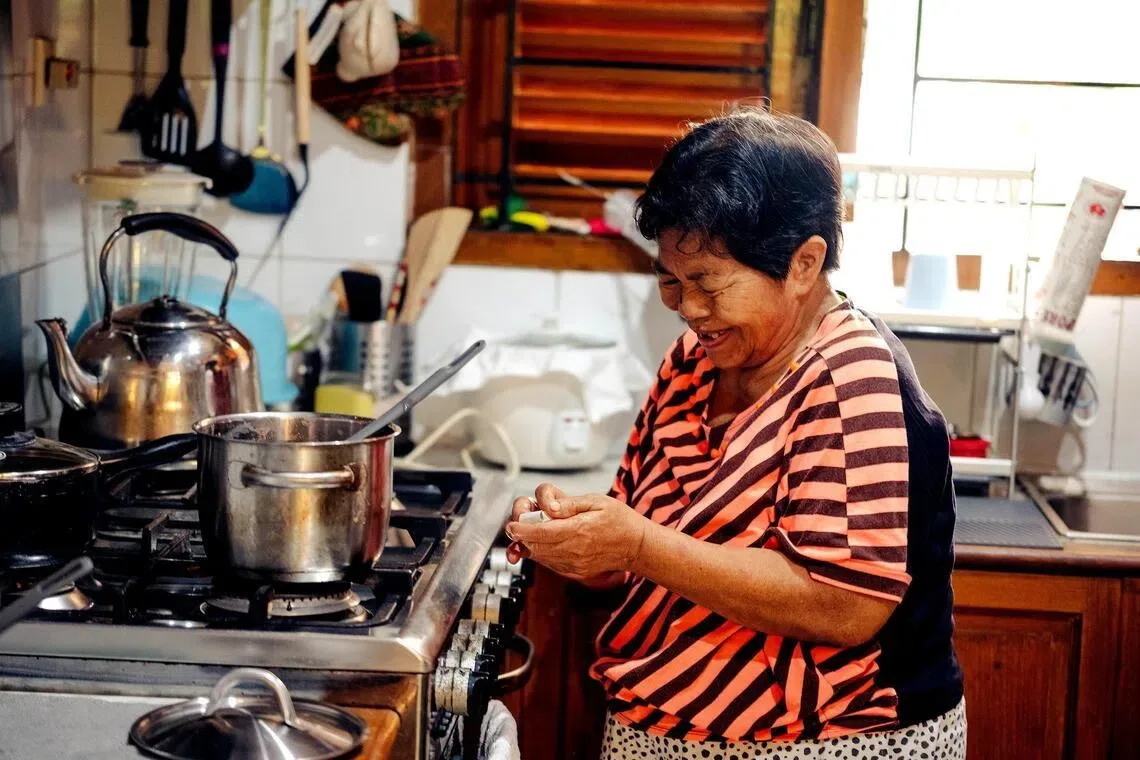
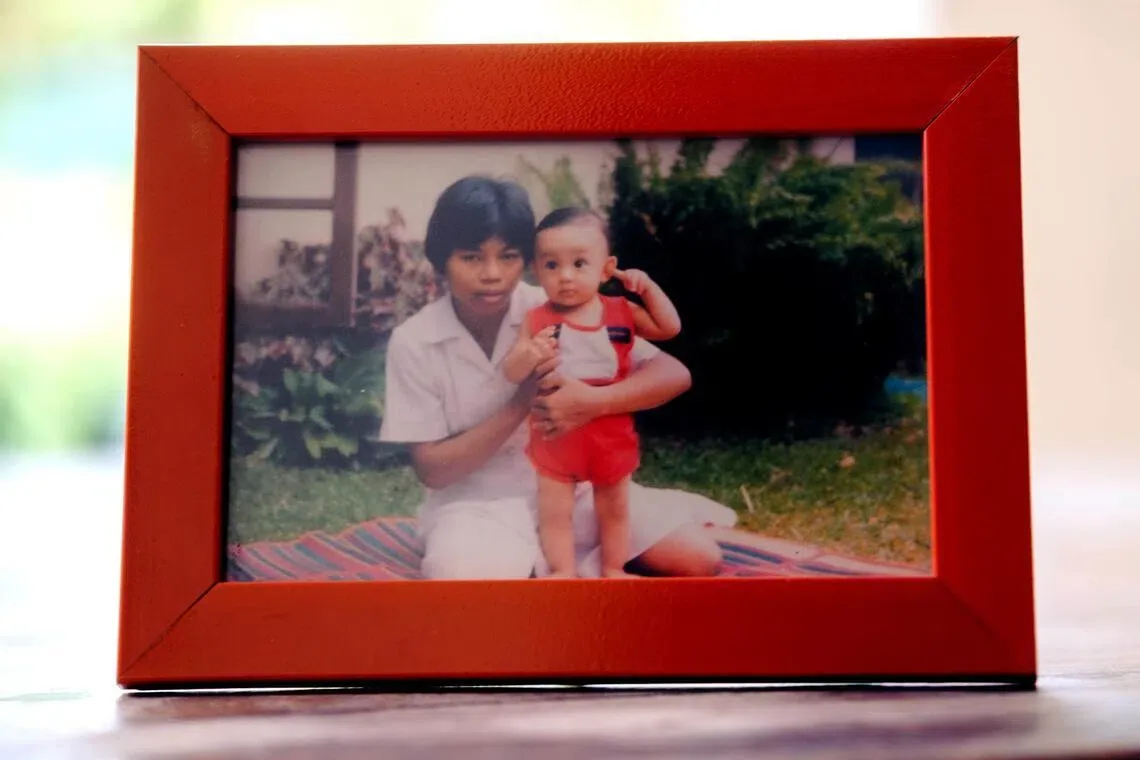
Ms. Pani, a 64-year-old who worked 44 years as a live-in domestic worker caring for her employer’s children, exemplifies the old model of domestic work defined by informal trust and extended service rather than formal contracts [1, 2, 3, 4, 5]. She noted, "Young people nowadays want to be able to know for sure that they start work at this hour and end at that hour. So living with an employer doesn’t seem so attractive." [1]
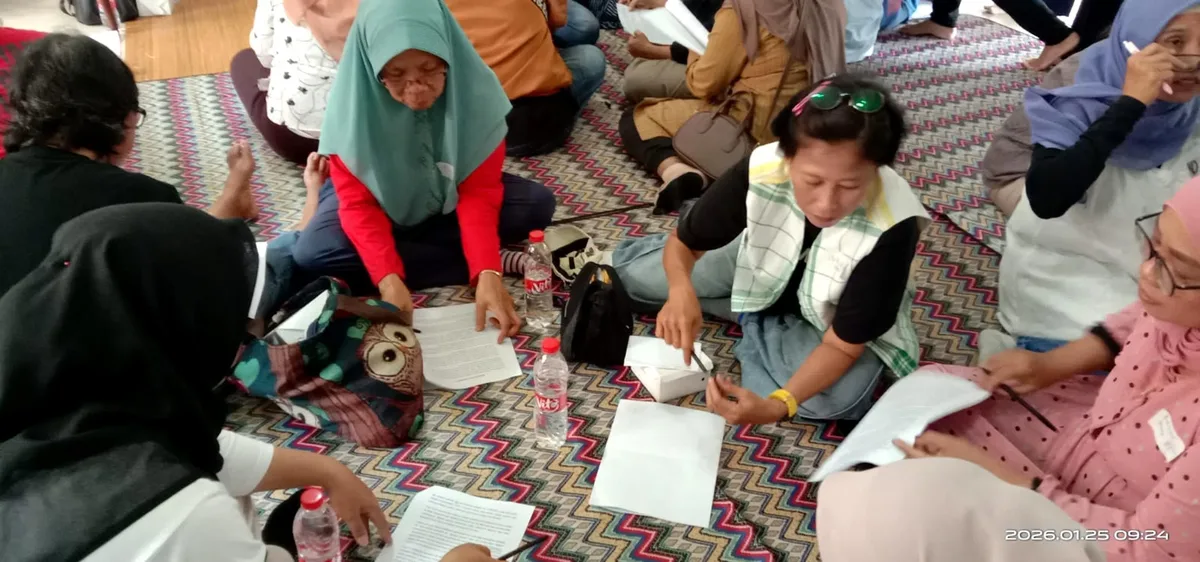
The law’s passage represents a cultural shift. Ida Ruwaida said it reflects an "unusual" transformation, moving domestic workers from feudal servant roles to recognized professionals with labor rights [5]. Unions and advocacy groups have welcomed the new protections, while some employers complain workers have become "spoiled," missing the old informal expectations [1, 2, 3, 4, 5]. Lita Anggraini observed, "In the past, employers benefited the most from traditional models where domestic workers could be asked to work anytime; now workers think more rationally about their labor value." [5]
The dynamics of employer-domestic worker relationships are evolving from personal, trust-based arrangements toward formal contracts and legal protections [1, 5]. Ms. Tokiko Latuharhary, an employer, said, "I was able to continue working because Pani was the stay-at-home mum. I was able to trust her with the house, with money, with everything." [1]
As the new law comes into effect, domestic workers across Indonesia are to receive written contracts and labor protections for the first time. Enforcement and adoption will be critical challenges ahead.