President Prabowo Subianto dismissed Dadan Hindayana as head of Indonesia’s National Nutrition Agency on June 2, 2026. The removal followed mass food poisoning incidents and corruption allegations linked to the government’s free school meals programme, a key policy aimed at fighting malnutrition and stunting in children and pregnant or nursing women [1, 2, 3].
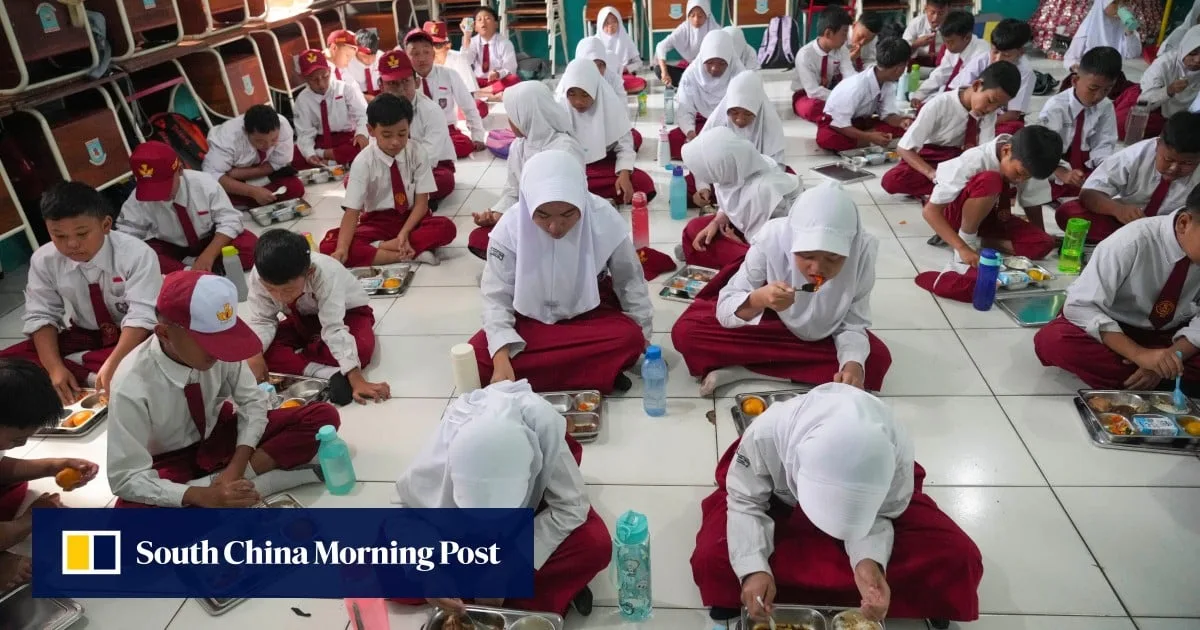
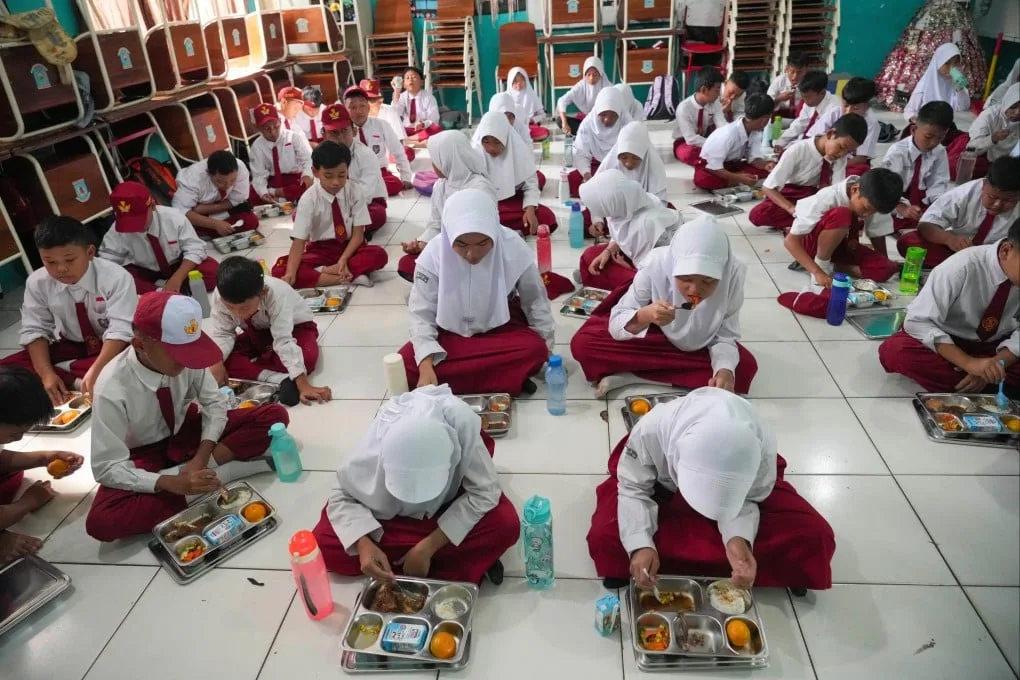
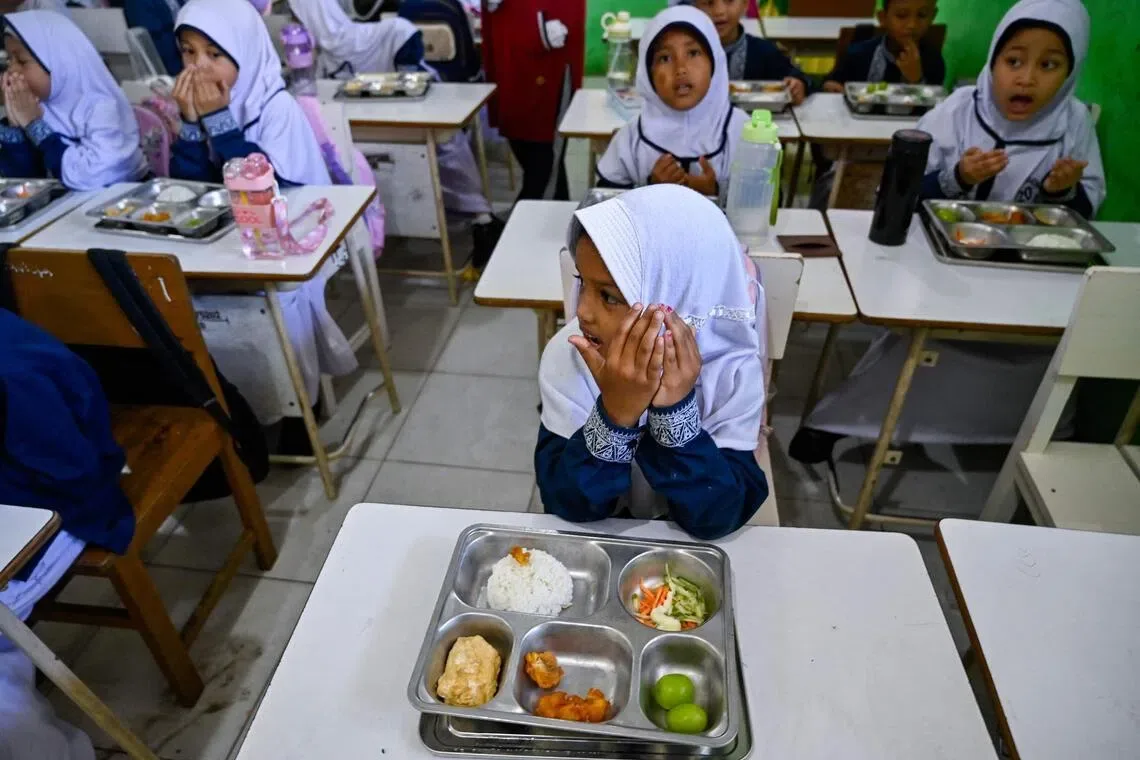
Launched in January 2025, the free meals programme targets 82.9 million people across the country at a reported cost of US$15 billion. It specifically focuses on children and pregnant or breastfeeding women, aiming to reduce malnutrition that affects more than 20% of Indonesian children with stunting [1, 2, 3, 4].
Since the programme’s inception, over 11,000 cases of food poisoning related to the meals have been reported, resulting in more than 600 hospitalisations. These health incidents have raised serious safety concerns about the programme’s implementation [1, 2].
In May 2026, Indonesia Corruption Watch filed formal complaints against Dadan Hindayana for alleged budget irregularities tied to the programme’s funds. Following his dismissal, Dadan and two deputies were detained by authorities as key suspects in a widening corruption investigation [1, 2, 3].
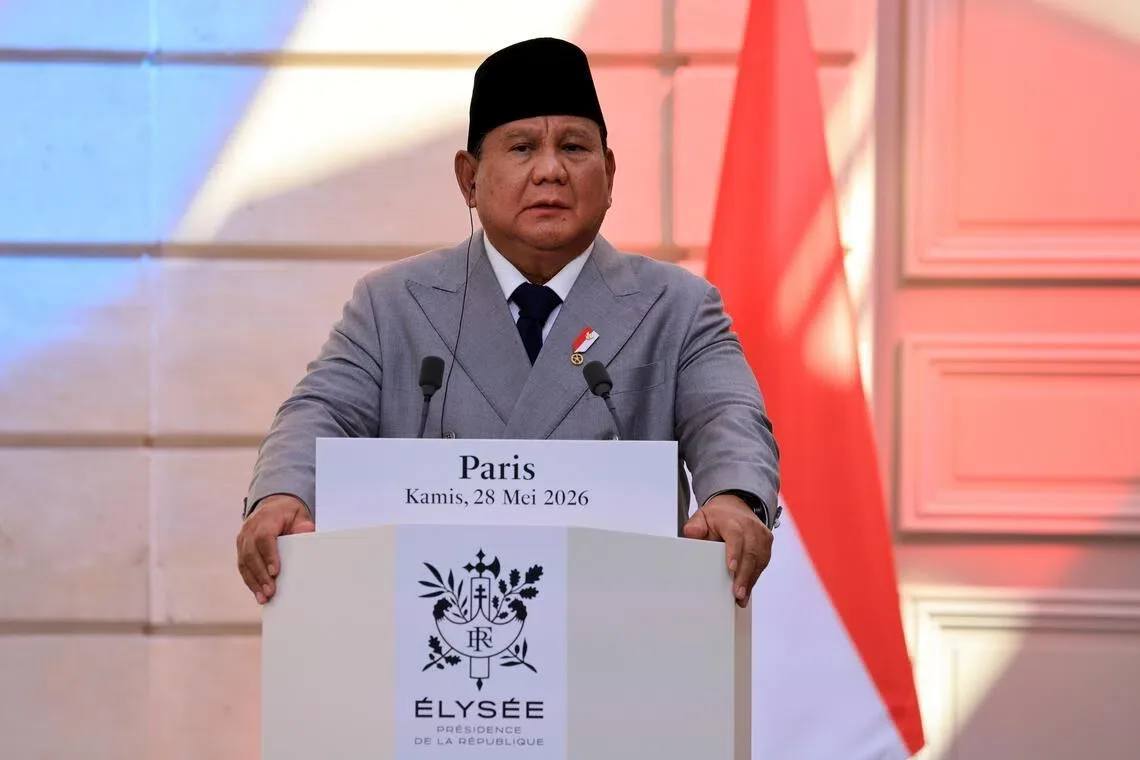
President Prabowo publicly condemned the corruption during an event in West Java on June 3, stating, "I do not want the people’s money to be stolen. There are no exceptions." He also expressed personal regret, saying, "I was saddened because these were people I trusted and entrusted with important responsibilities," and, "I was forced to replace those I loved, trusted." [3, 4]
State Secretary Prasetyo Hadi confirmed the leadership changes at the National Nutrition Agency and assured that the government will continue the programme. "The government will continue to ensure that throughout the ongoing evaluation process, all programmes of the National Nutrition Agency will continue to run as they should," he said [1].
The scandal has also affected financial markets. On June 4, Indonesia's rupiah fell to a record low against the US dollar, while the country’s stock market closed near a five-year low, reflecting shaken investor confidence amid economic pressures linked to the controversy [3].
The government has pledged to carry out evaluations and reforms to address the programme’s failures while maintaining efforts to combat malnutrition. The investigation into corruption and food safety is ongoing.