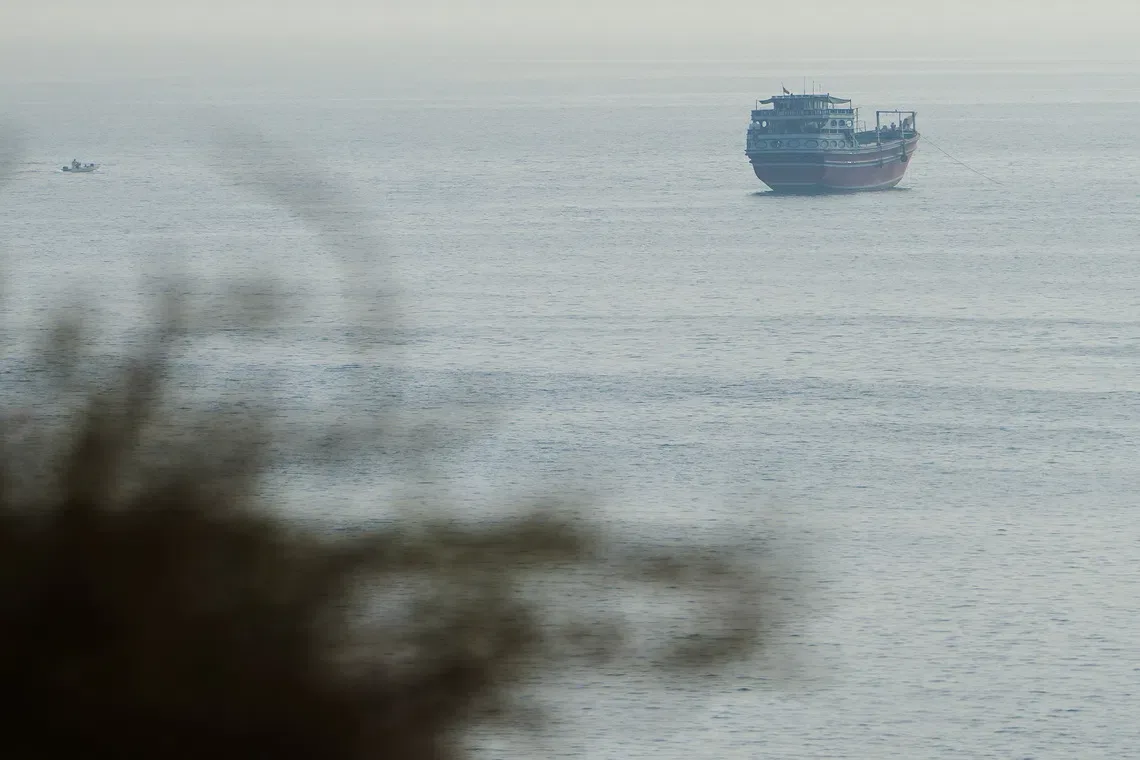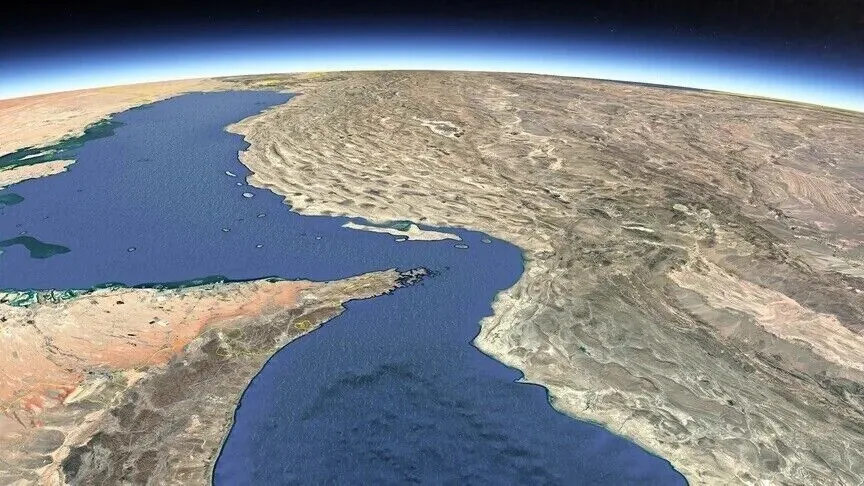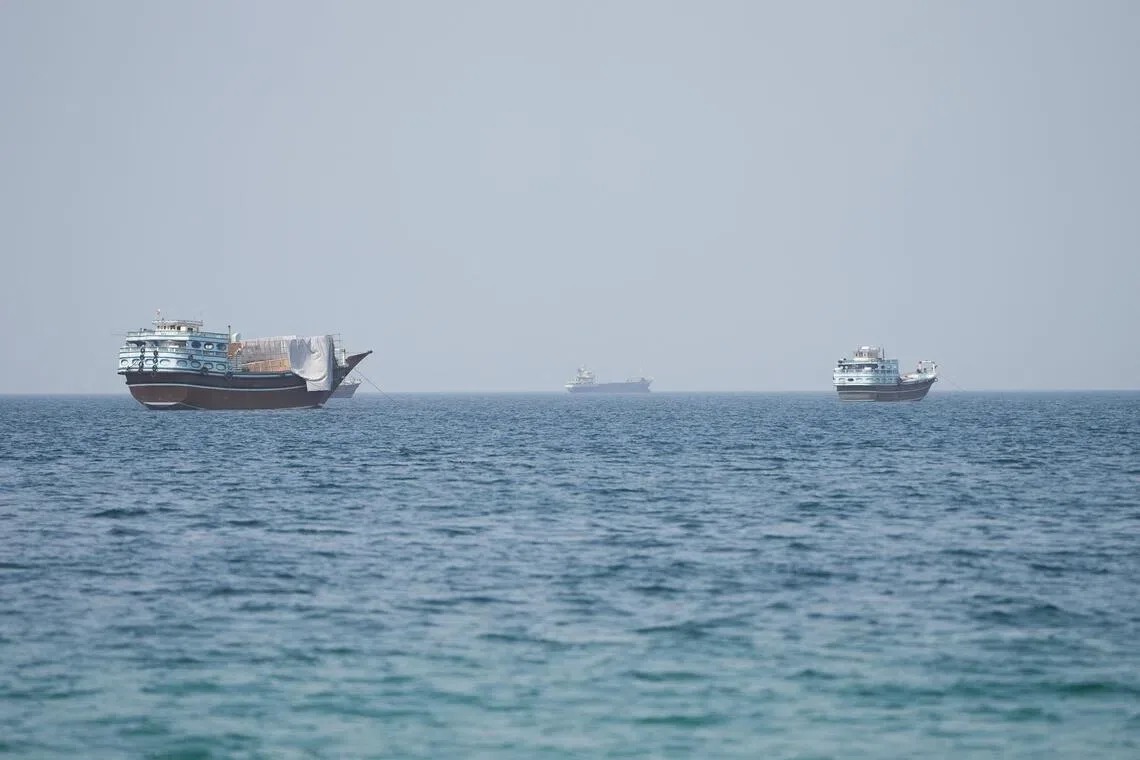
Iran’s parliament began reviewing a draft bill on August 6 that would bar vessels tied to the United States, Israel, and other countries Tehran deems hostile from transiting the Strait of Hormuz. The bill requires hostile countries to pay compensation before their ships are allowed through and proposes fines up to 20% of a vessel's cargo value for violations [1, 2, 3].
The draft legislation comes as Iran and Oman negotiate future management of the strategically vital strait through which a significant portion of the world’s oil exports pass [1, 4, 5, 2, 3]. Iranian officials say reopening the strait depends on the United States fully accepting Iran’s demands, which include lifting sanctions, withdrawing troops, paying reparations, and releasing frozen assets. Mohammad Bagher Zolghadr, a top Iranian national security official, issued the list of demands on August 8 [4, 5].
Hossein Mohebbi, spokesperson for Iran’s Revolutionary Guard, said reopening the strait is "not contingent on the Iran-Oman negotiations" but rests on the US meeting Iran’s conditions [4]. This position contrasts with US President Donald Trump’s remarks on August 6, stating that negotiations on Hormuz management were "moving along good," suggesting some progress toward an accord [1].
Iran effectively closed the Strait of Hormuz in February after US and Israeli attacks, escalating regional tensions [1, 4, 5]. Iran’s naval forces reportedly struck "hostile targets" near the strait to enforce its closure [1]. The June memorandum of understanding between the US and Iran tasked Iran and Oman with negotiating navigational arrangements for the strait [4, 2, 3].
Oil prices reflected market concern after Iran’s demands surfaced, with Brent crude rising above US$83 per barrel and West Texas Intermediate near US$78 per barrel [1].
Despite recent signaling from US and Iranian officials about a possible deal, Iran’s sweeping demands complicate reopening. Sources note that Washington is unlikely to agree to terms requiring sanction relief and asset releases [1, 4, 5].
The Iranian parliament’s National Security and Foreign Policy Committee reviewed the draft bill on August 7 [2]. Further deliberations will determine whether the proposal advances into law, setting concrete rules on vessel passage through the Strait of Hormuz.