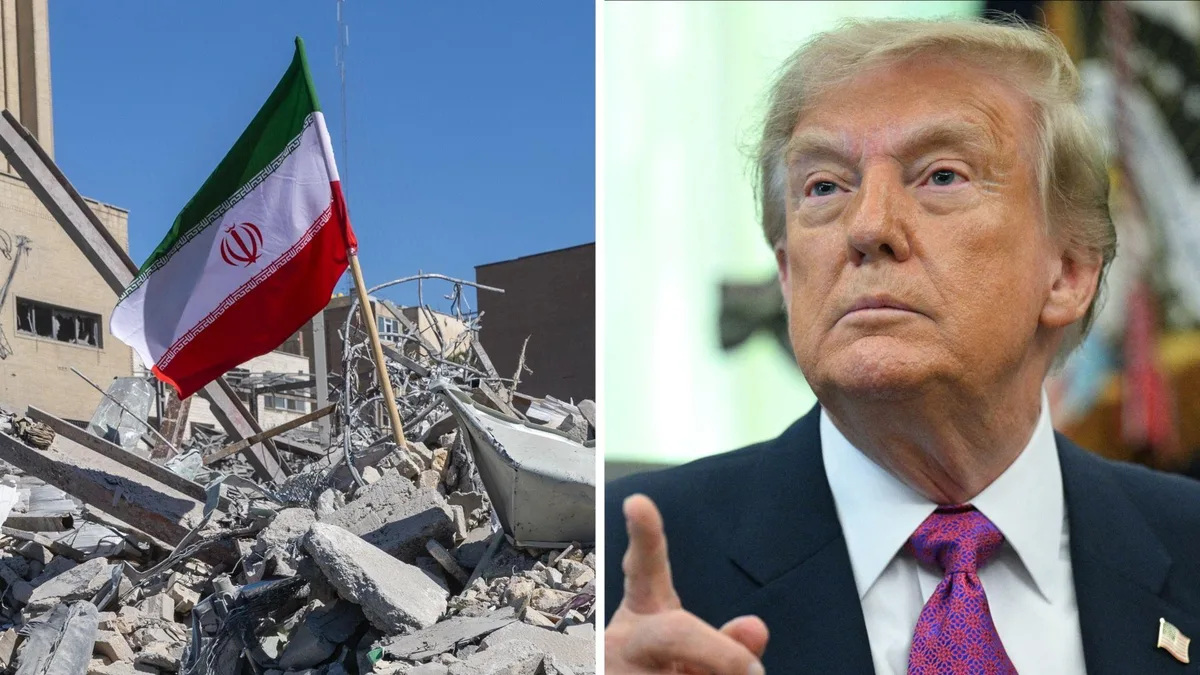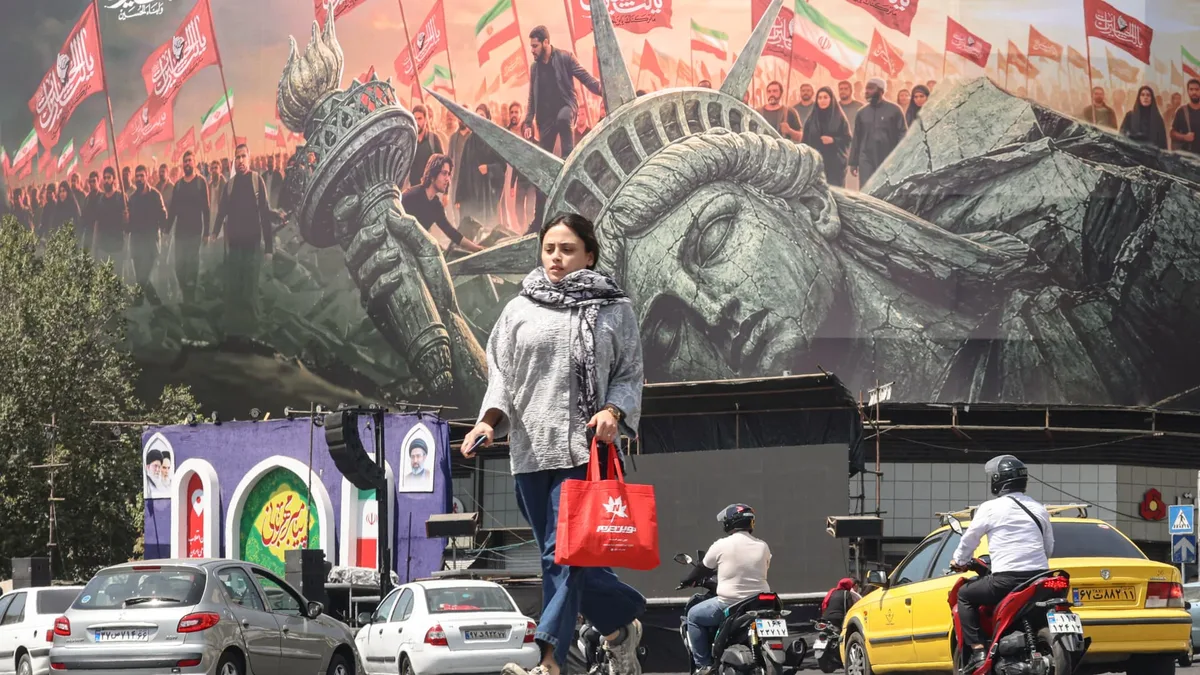
Iran's Parliament Speaker Mohammad Bagher Ghalibaf issued a stern warning on Sunday that any future attacks on Iran's interests and security will be met with a "faster, heavier, and more painful" response [1, 2, 3]. He said, "If they haven't understood by now, they should understand before it's too late that the rules of the game have changed," emphasizing Iran's tough stance amid escalating tensions [3].
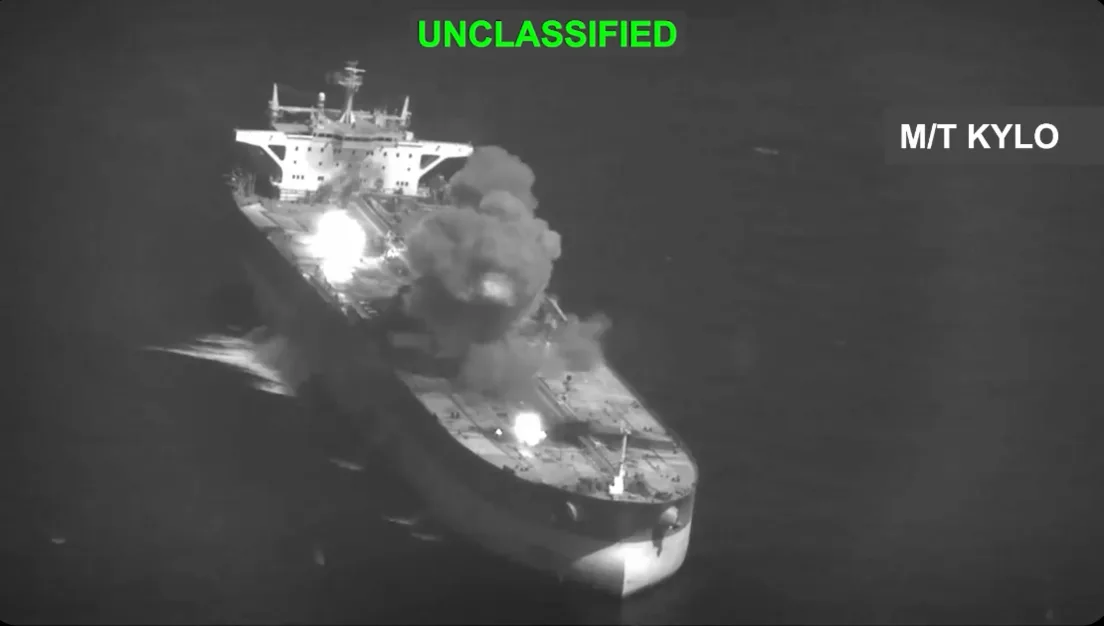
The renewed conflict between the US and Iran began about a week ago after a 60-day ceasefire expired last month, ending a period of relative calm [1, 2]. On Saturday, US Central Command targeted three Iranian crude oil tankers near Kharg Island, Jask, and in the Gulf of Oman. This retaliation followed missile attacks by Iran's Islamic Revolutionary Guard Corps (IRGC) on two US Navy ships [2, 3]. Admiral Brad Cooper emphasized the US response, stating, "If you shoot at two of our ships, we will impose an even higher economic cost — taking out three of yours," warning Iran not to underestimate the consequences [3].
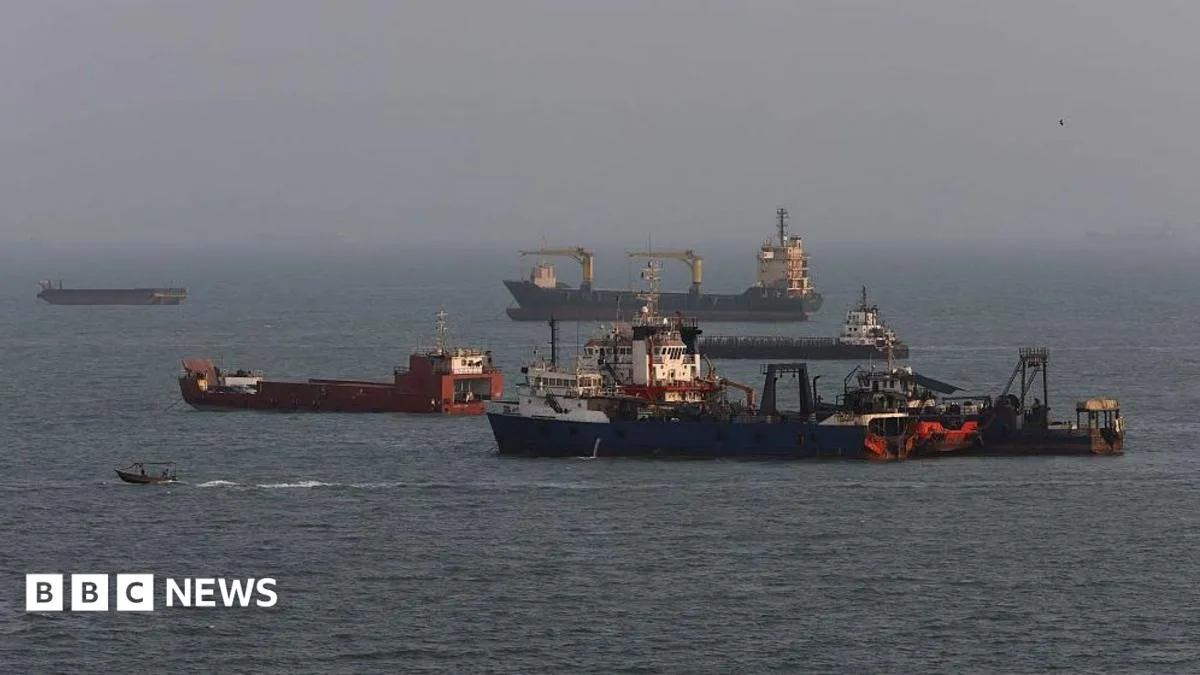
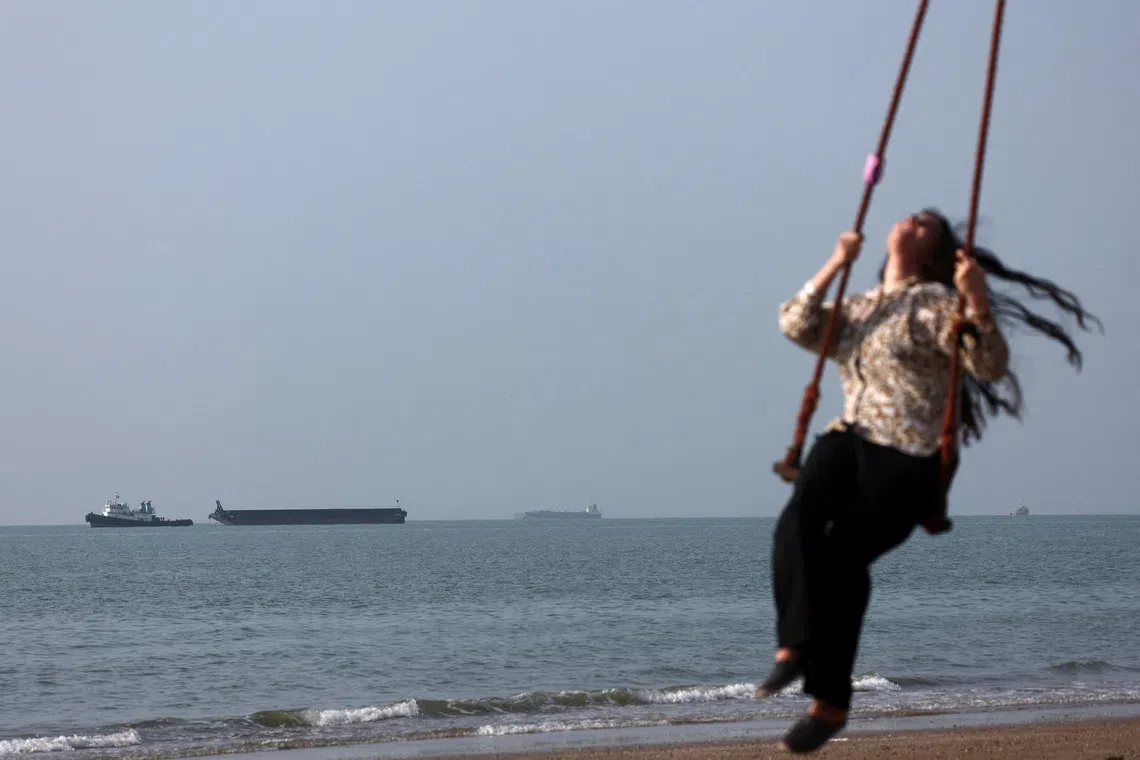
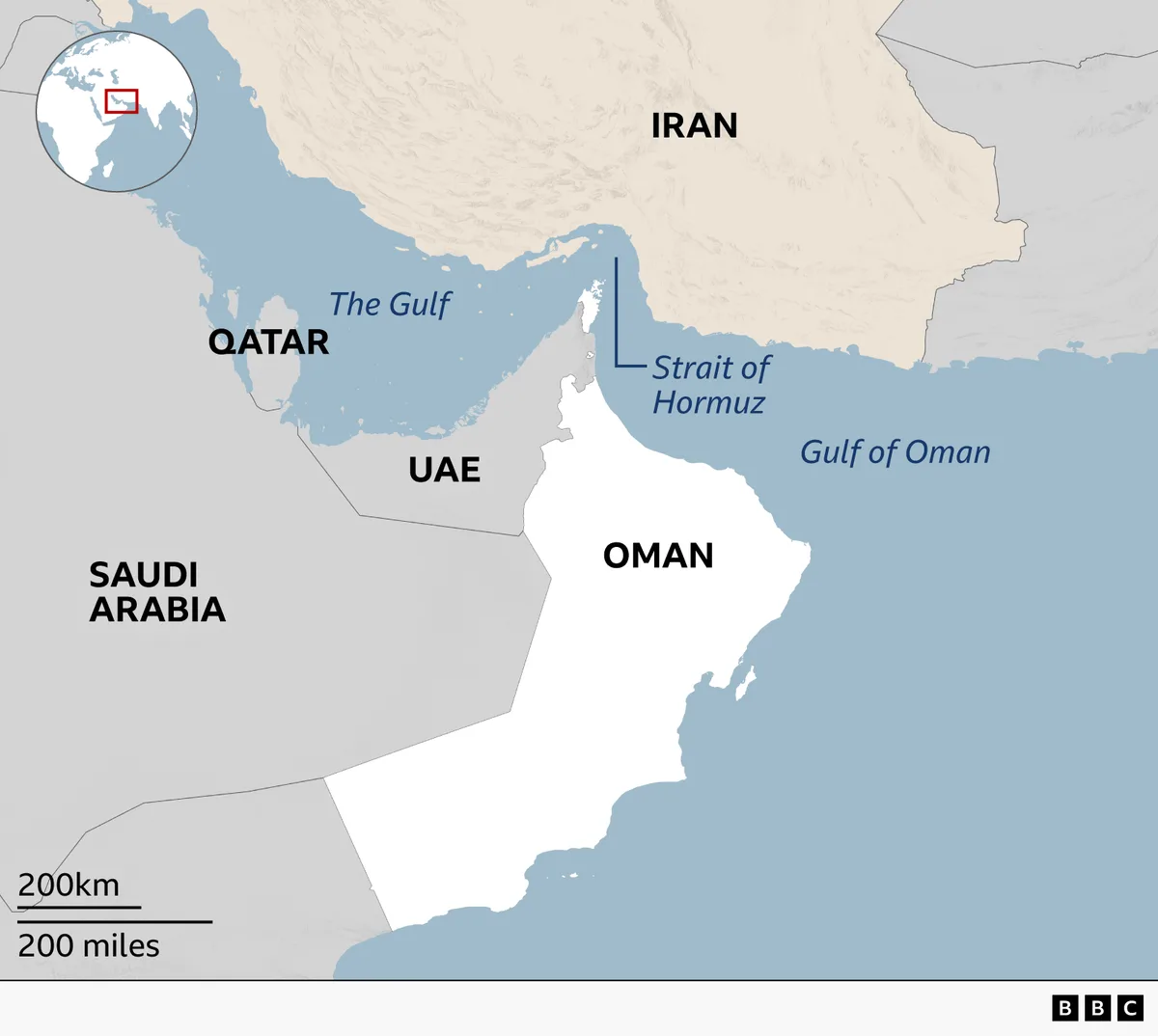
US Defense Secretary Pete Hegseth also warned on social media that "if Iran shoots at US ships, we will destroy (and sink) their oil tankers," urging Iran to avoid provocations [1, 3]. The conflict has effectively closed the Strait of Hormuz, a vital route for global oil supplies. Before the fighting, about 90% of Iran's crude oil exports passed through terminals near Kharg Island [1, 2, 3]. The closure has disrupted oil and gas markets worldwide [1, 2, 3].
Iranian state media claimed on Saturday that Iran's Navy attacked a US remotely operated vessel attempting to enter the Strait of Hormuz. However, US Central Command denied the report, calling it a "total lie" [1]. This discrepancy highlights continuing tensions and conflicting narratives between the two sides.
Meanwhile, Iran faces severe economic pressure from US sanctions causing currency fluctuations, inflation, unemployment, and market challenges [2, 3]. Iranian officials plan to rely more on domestic production and technological innovation to counter these difficulties [2, 3].
The latest warning from Ghalibaf follows a week of escalating military exchanges and signals Iran’s readiness to respond more forcefully to any further US attacks. The situation remains fluid as both sides prepare for potential future clashes [1, 2, 3].