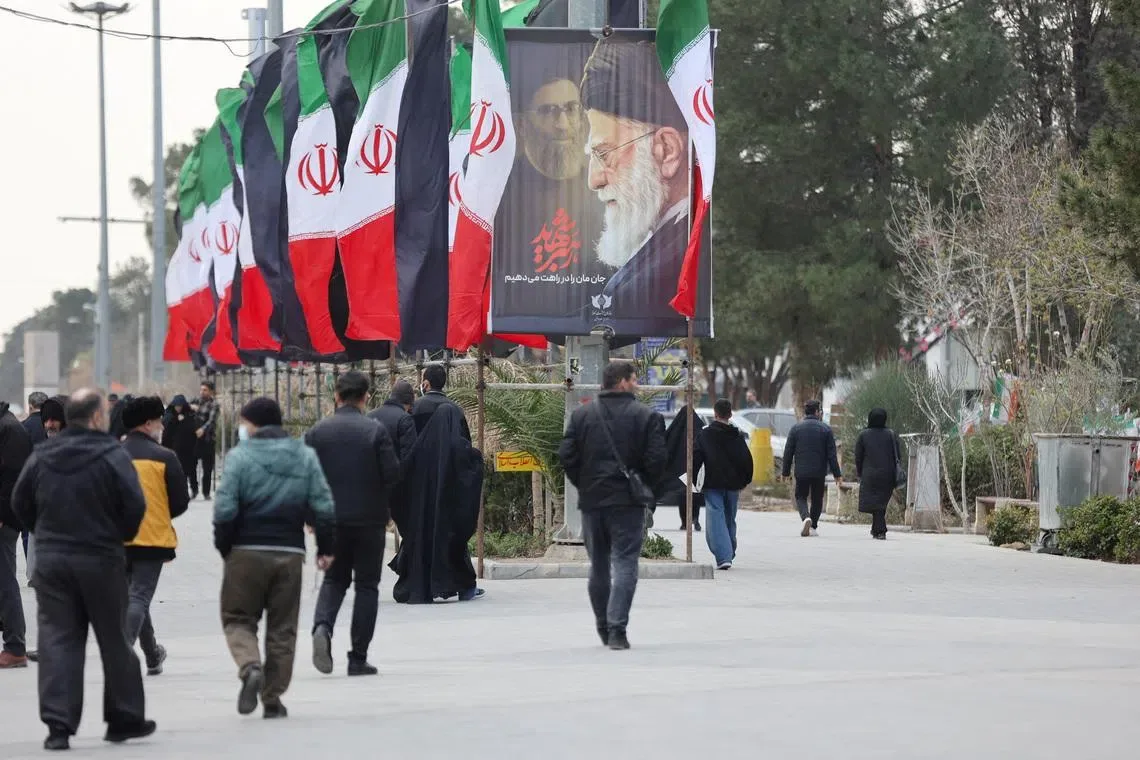
Iran’s theocratic rulers have survived a military conflict with the US but now face mounting challenges managing pressure from hardliners and ordinary citizens across the country [1, 2].
Hardliners within the regime demand a firm stance in upcoming negotiations with Washington and want priority given to rearming Iran’s forces [1, 2]. Meanwhile, ordinary Iranians seek tangible peace dividends and financial relief to improve living standards after years of war and international sanctions [1, 2].
A senior Iranian official said Iranians are weary of war and economic hardship. The official predicted that funds from any financial relief would likely go toward reconstruction, liquidity injections for banks, and broader economic support [1].
There is a clear risk that failure to raise living standards could trigger renewed mass protests. A former reformist official noted that the risks of unrest were acknowledged by Iran’s top leadership, which influenced Tehran’s acceptance of an agreement to reopen the Strait of Hormuz [1].
Political analyst Hamidreza Azizi cautioned, “The moment the war ends, and as this interim deal is shaky, the actual problems for Iran’s clerical establishment will start” [1].
Iran and the US are scheduled to sign a memorandum of understanding on Friday to formally end the war. The agreement is expected to include some financial relief for Iran, aimed at economic reconstruction and social support [1, 2].
Officials and analysts view the memorandum signing as a critical point. It will mark the beginning of efforts to balance hardliners’ demands for strength with the population’s urgent needs for economic improvements after a long conflict.