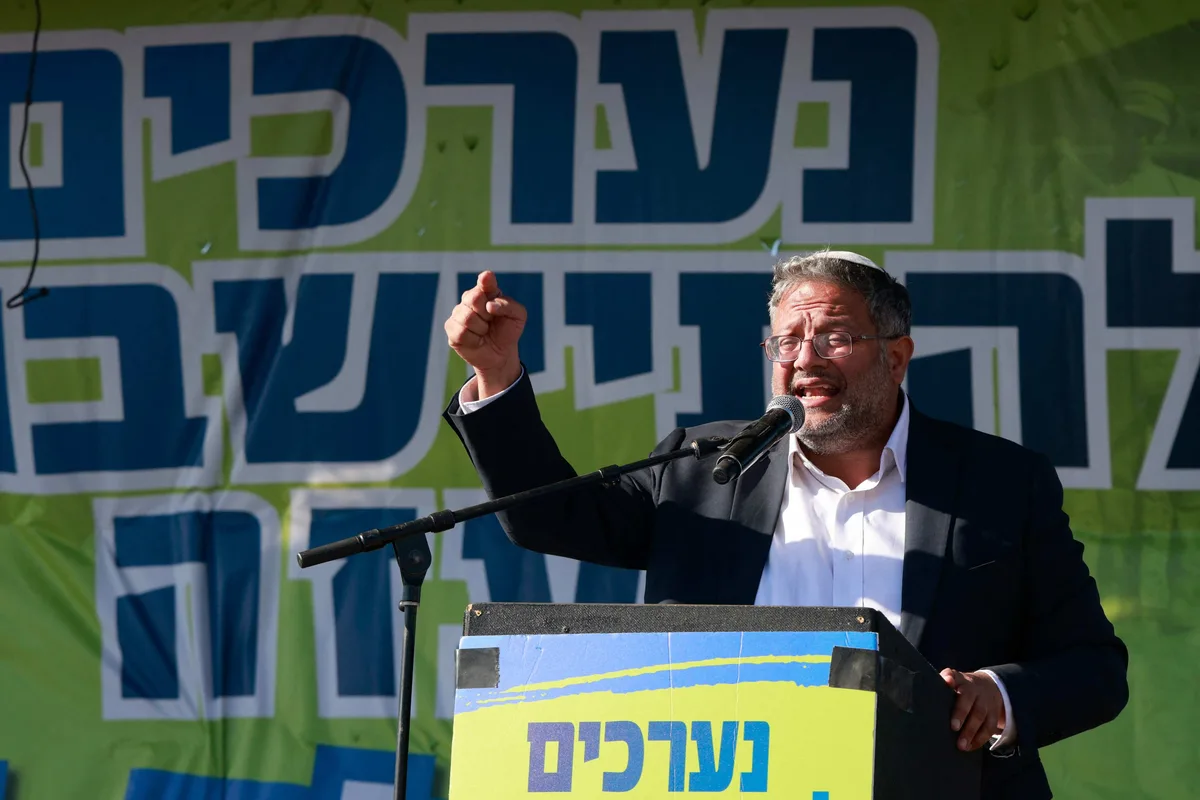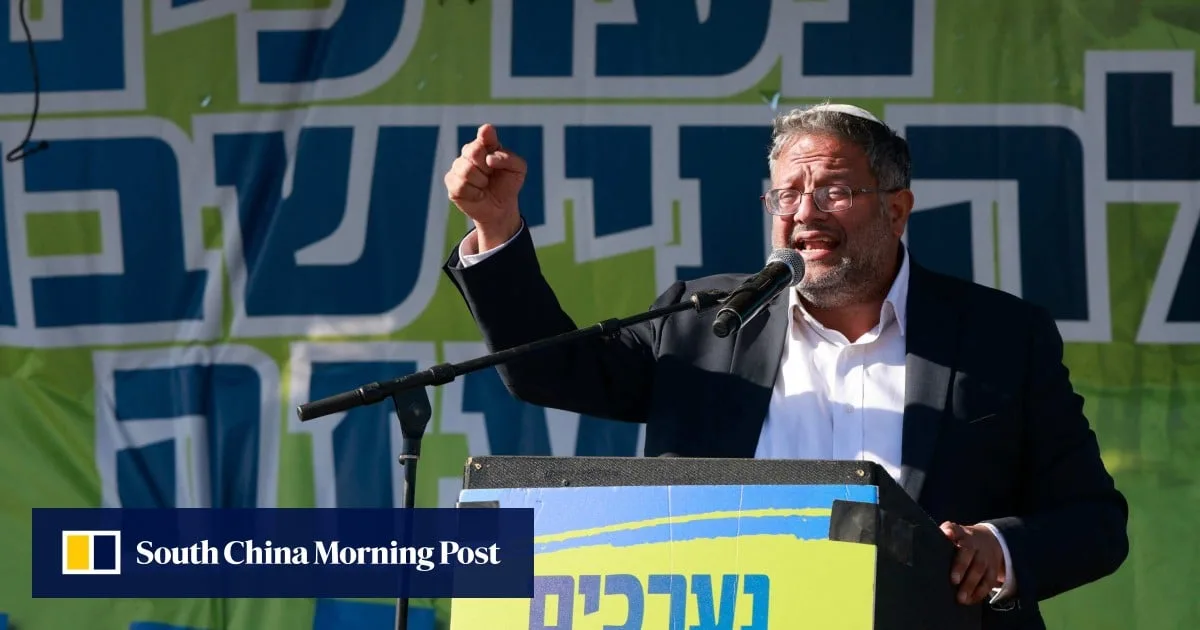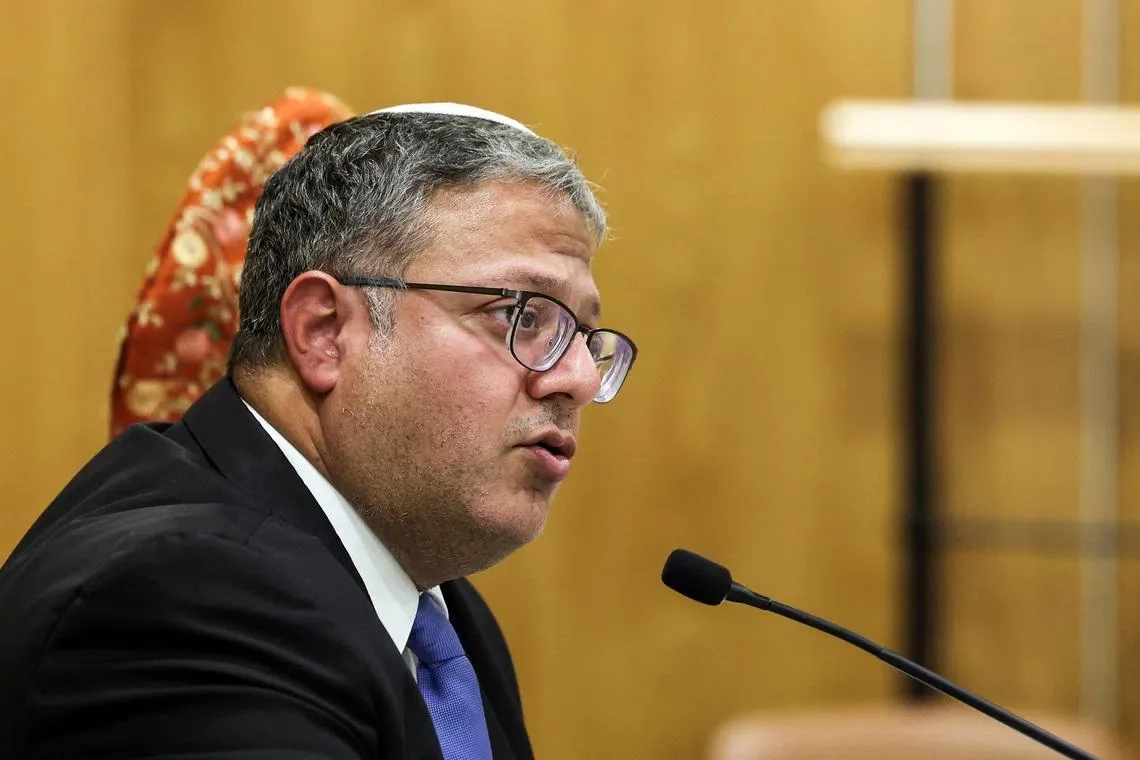
Israel’s National Security Minister Itamar Ben Gvir called on May 25 for a return to "intensive" fighting in Lebanon despite a ceasefire that has been in place since April 17 [1, 2]. Ben Gvir demanded cutting off electricity to Lebanon, seizing the Zahrani river area in southern Lebanon, and resuming intensive warfare, saying, "It is time for the Prime Minister to take a firm stand with Donald Trump and tell him that Israel is returning to war in Lebanon" [1].
Finance Minister Bezalel Smotrich called for strikes on Beirut to retaliate against Hezbollah’s explosive drone attacks, advocating the destruction of 10 buildings in Beirut for every such drone launched, stating, "There is an urgent need to put an end to the threat posed by Hezbollah’s explosive drones. For every explosive drone, 10 buildings must fall in Beirut" [2].
The current tensions trace back to March 2, when Hezbollah launched rockets into Israel following U.S.-Israel strikes that killed Iran’s supreme leader [1]. Lebanon and Israel agreed to a ceasefire on April 17, but Israeli military forces have conducted heavy strikes in southern Lebanon beyond previously announced operational zones [1].
Despite the ceasefire, Hezbollah’s deputy leader Naim Qassem opposes the peace talks, refuses to disarm the group, and continues attacks on Israeli targets [1]. The United States brokered peace talks between Lebanon and Israel that began in April, with a fourth round of talks prepared for early June [1].
The calls for renewal of intense combat come amid these ongoing negotiations, with far-right Israeli ministers advocating military escalation rather than diplomatic resolution. The next formal diplomatic step is the fourth round of U.S.-mediated peace talks scheduled for early June [1].