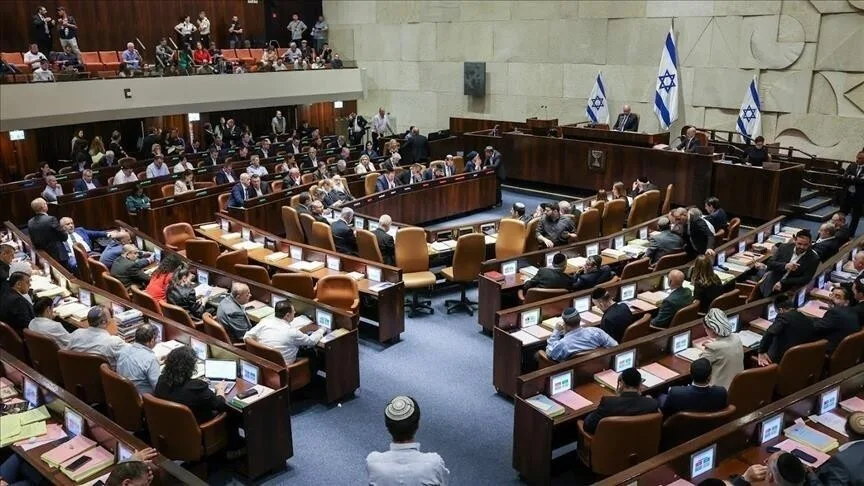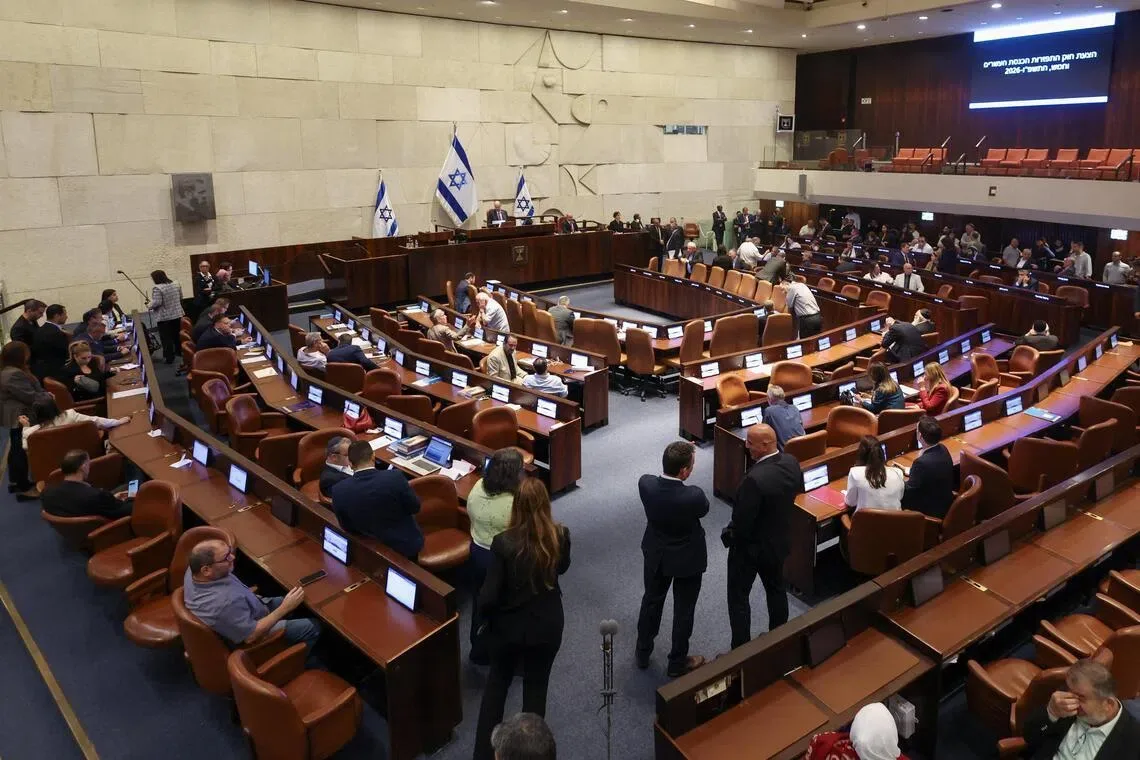
Israel's Knesset approved the first reading of a bill to dissolve parliament on June 2, with 106 out of 120 members voting in favor [1, 2]. The bill would enable new elections to be held between September 8 and October 20, advancing the original election date of October 27 [1, 2]. To become law, the bill must pass two additional readings in the Knesset [1, 2].
The bill was proposed by Prime Minister Benjamin Netanyahu’s ruling coalition amid rising tensions with coalition partners and ultra-Orthodox parties dissatisfied with proposed military service legislation [1, 2]. Netanyahu has confirmed he will seek another term despite facing ongoing corruption trials and security critiques [1].
Within the permitted election window, the ultra-Orthodox Shas party advocates for a September 15 vote, while Netanyahu’s Likud party prefers postponing elections closer to the end of the current Knesset term [2].
The current Knesset completed a full four-year term, passing over 520 laws and nine budgets. Ofir Katz, chairman of the ruling coalition, said, “We completed four full years, which is an exceptional achievement in Israeli politics, and we worked hard to reach this point. This Knesset passed more than 520 laws and nine budgets. In practice, we held on until the very end" [1].
If enacted, elections would likely take place between September 8 and October 20, marking a faster-than-expected transition to the next government [1, 2].