Japan's Liberal Democratic Party introduced stricter business manager visa rules in late 2025 that raised the minimum capital needed from 5 million yen (~$39,815) to 30 million yen (~$238,890) for foreign entrepreneurs [1, 2, 3, 4]. The changes also tightened other conditions tied to the visa [1, 2, 3, 4, 5]. Many visa holders now face challenges complying with the new requirements.
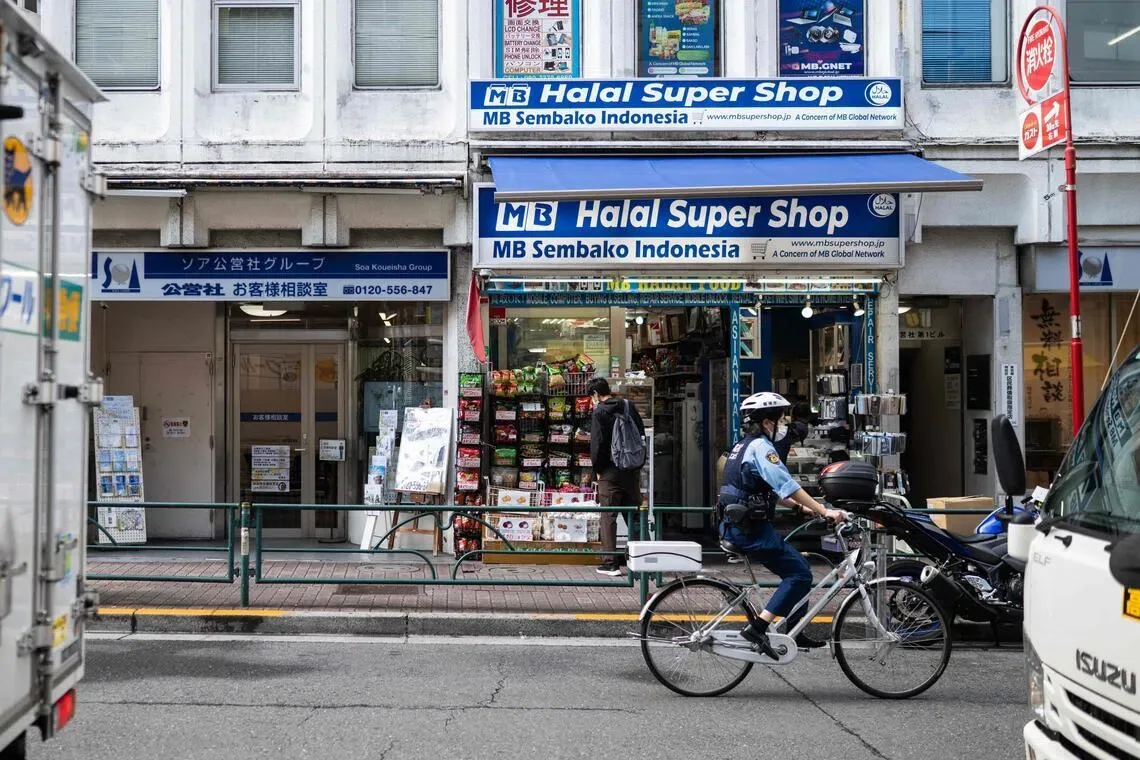
The policy shift reflects mounting anti-immigration sentiment and public concerns about overtourism and soaring land prices in areas heavily affected by foreign investment, such as Tokyo’s Okubo district [1, 2, 3, 4, 5]. Japanese Prime Minister Sanae Takaichi has actively backed tighter controls on foreign nationals alongside the visa changes [1, 2, 3, 4, 5].
Foreign business owners are among those hardest hit by the policy. Nepalese entrepreneur Budhathoki Samjhana, who has operated multiple restaurants in Tokyo since 2023 and recently reunited with her daughter, said the new capital requirement is a near-impossible hurdle. “The biggest problem is the increase in capital requirement to 30 million yen (S$238,890) from 5 million ($39,815). It’s impossible,” she said [1, 2, 3, 4, 5]. Samjhana added, “I always wanted to become a bridge between Japan and Nepal... but my dream is broken” [1].
Business manager visa holders have a three-year grace period starting late 2025 to meet the new conditions [1, 2, 3, 4]. Meanwhile, Japan also raised visa fees for some tourists fivefold in June 2026, the first increase in nearly 50 years, and tripled the departure tax to 3,000 yen (~S$24) starting July 1, 2026, for all travelers including citizens [1, 2, 3, 4, 5]. The government intends these measures to address the impacts of increased foreign visitors and investment [4].
The sharp rise in visa costs and capital requirements come amid complaints from some residents about overtourism and rising land prices in popular districts [1, 2, 3, 4, 5]. The new rules signal a tougher stance on immigration and foreign investment in Japan.
Business managers affected by the late 2025 rule change must comply by late 2028 or face visa non-renewal and possible expulsion [1, 2, 3, 4].