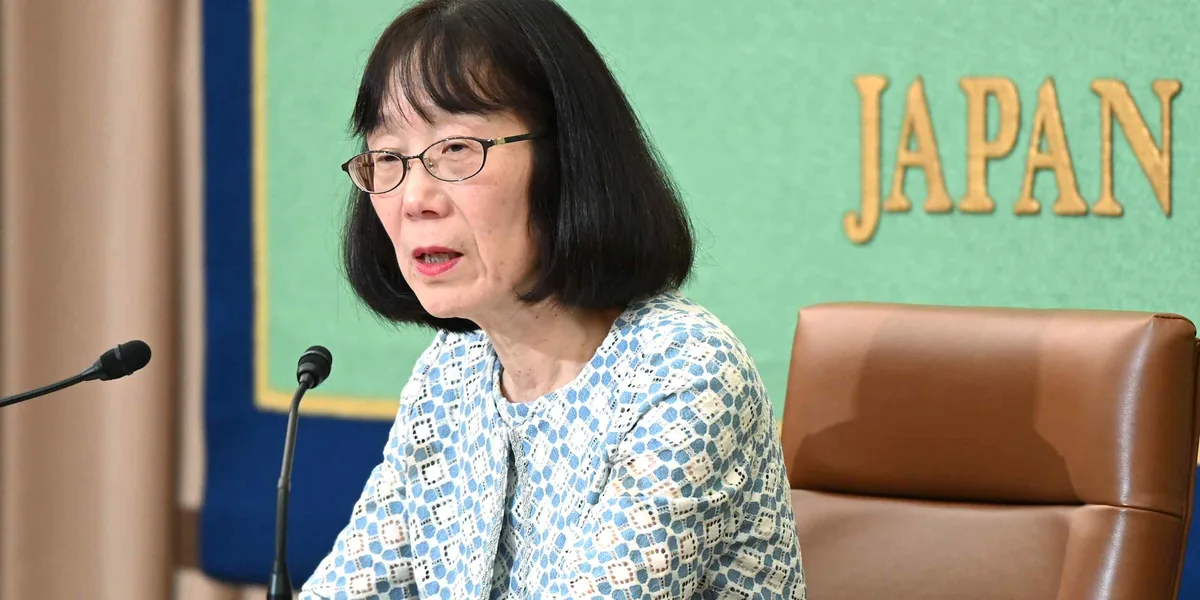
Japan, the largest financial contributor to the International Criminal Court (ICC), has vowed to protect the institution following US sanctions on ICC President Tomoko Akane and a senior trial lawyer on August 18, 2026 [1, 2]. The US barred Akane from accessing the American financial system and prohibited her travel, escalating tensions between two close allies [1, 2, 3].
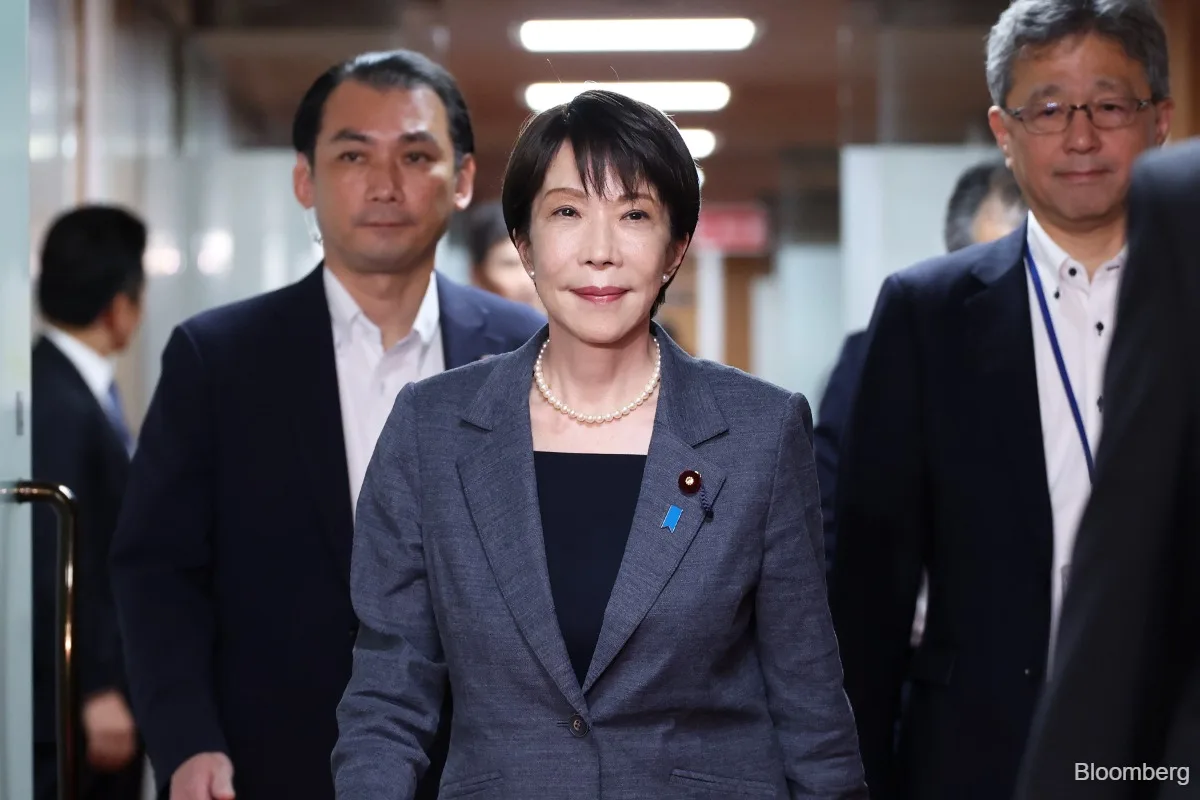
Japanese Prime Minister Sanae Takaichi initially expressed regret over the sanctions but delivered stronger remarks on August 25, sharing a "sense of crisis" with Akane and promising to defend the ICC. Takaichi said, "As the largest financial contributor to the ICC, we must protect this important institution" [1]. She added that Japan "repeatedly approached the US at various levels, right up until the last possible moment, urging it not to designate President Akane for sanctions" [2].
The firmer stance from Takaichi came after criticism from a multiparty group of Japanese lawmakers, including members within her own ruling party, who called for a clearer protest against the US sanctions on August 24 [1, 2]. The sanctions mark a rare public point of friction between Japan and the United States, reflecting growing strain over the ICC issue [1, 2].
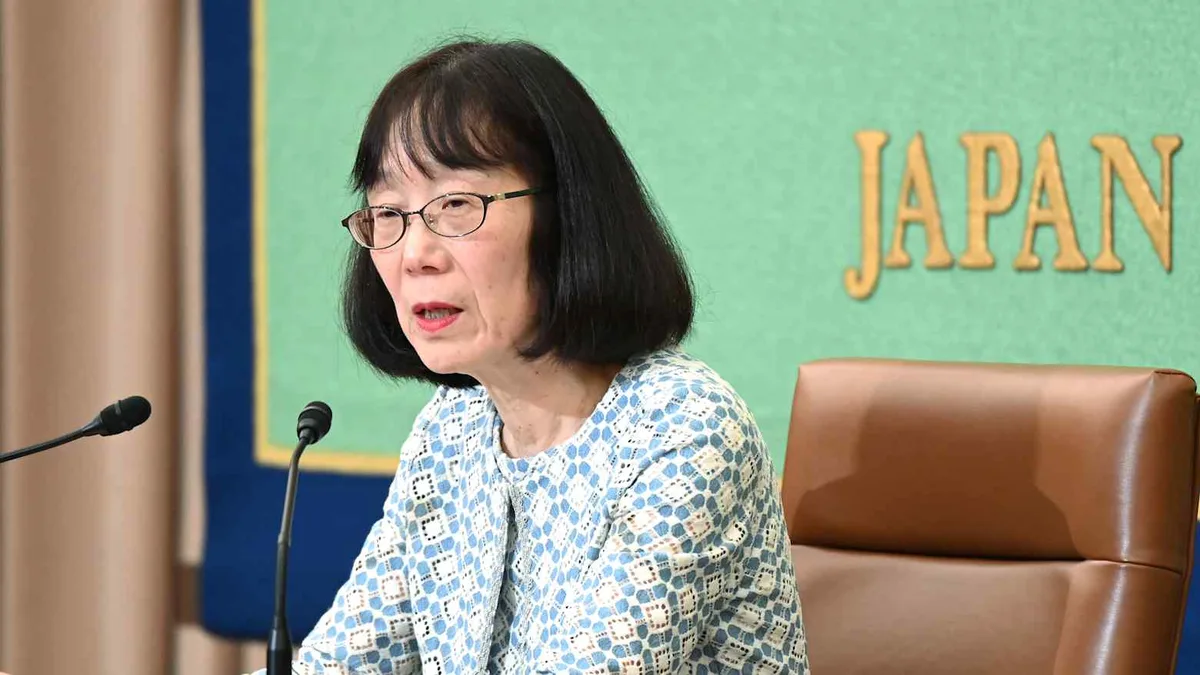
US Secretary of State Marco Rubio denounced the ICC as "a corrupt and fatally politicised supranational court that has maliciously abused its authority and exceeded its mandate," and threatened further measures to dismantle the court [1, 2]. In response, ICC President Tomoko Akane rejected these accusations and vowed to continue her work despite the sanctions, stating, "This will not change the way I approach my judicial duties, nor will I allow myself to be crushed by threats" [2, 3].
Japan has pledged to continue supporting Akane and may make further representations to the US as appropriate to protect the ICC's integrity [1, 2]. On August 26, Akane thanked the Japanese government for its support and reaffirmed her commitment to the court’s work despite ongoing challenges [2, 3].