The Law Society of Singapore’s audit committee conducted an independent investigation into workplace complaints and governance issues from 2022 to 2025 [1, 2, 3, 4, 5]. An anonymous email sent on September 13, 2025, to the Ministry of Law and Ministry of Manpower alleged inappropriate workplace conduct, governance weaknesses, and flaws in grievance and whistleblowing processes within the Law Society [1, 2, 3, 4, 5].
The audit committee presented its findings to the Law Society council on June 5, 2026, and submitted the report to the Ministry of Law on July 1, 2026 [2]. The report highlighted significant concerns about workplace culture, leadership, governance, and the functioning of the Law Society during the period [1, 2, 3, 4, 5].
About 200 Law Society members held a tense four-hour closed-door dialogue on August 13 to demand disclosure of the full audit report and all investigation materials [1, 3, 4, 5]. Several lawyers threatened to call for an extraordinary general meeting, which requires 25 members’ signatures, if full disclosure was not made [1, 3, 4, 5]. Prior to the meeting, hard copies of a report summary and recommendations were circulated but had to be returned afterward, and annexes containing detailed investigation reports by law and auditing firms were withheld [2].
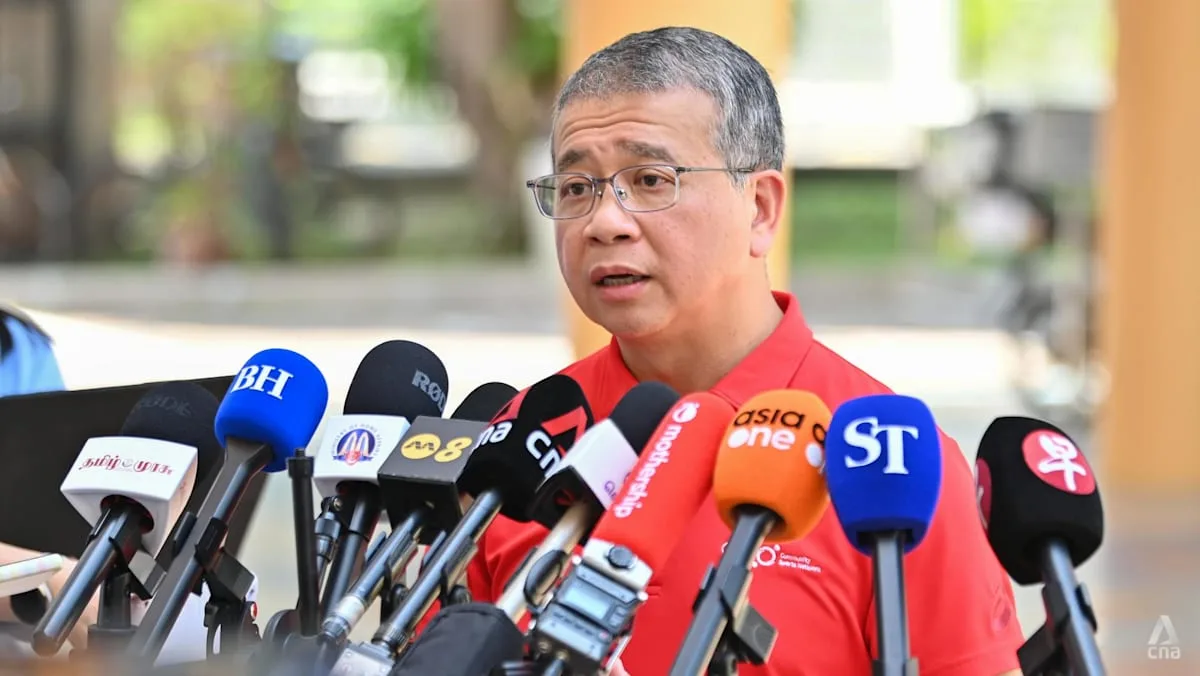
In a parliamentary reply on August 5, Law Minister Edwin Tong said the investigation found no evidence of deliberate financial impropriety or cover-up but noted failings had undermined confidence in the Law Society and trust in the legal profession [1, 3, 4, 5]. On August 14, Tong publicly urged the Law Society to release the full audit report with appropriate redactions to protect interviewees. He said, “These are matters which should be taken seriously and addressed thoroughly. It is therefore important for members to have a frank and constructive exchange with the council, and this has to be supported by the disclosure of sufficient information for the issues to be properly understood and considered. In particular, the relevant reports (with appropriate redactions to protect the interviewees) should be made available to members, so that they can form their own views” [2].