New Zealand said it does not have the fiscal capacity to increase defense spending to the levels expected by the United States as geopolitical tensions rise in the region. The government aims to raise defense spending to 2% of its GDP from around 1%, citing threats such as Chinese live-fire drills in the Tasman Sea [1].
At the Shangri-La Dialogue in Singapore on May 30, US Defense Secretary Pete Hegseth criticized New Zealand's 2% target as insufficient and suggested that countries should consider a defense spending goal as high as 3.5% of GDP [1].
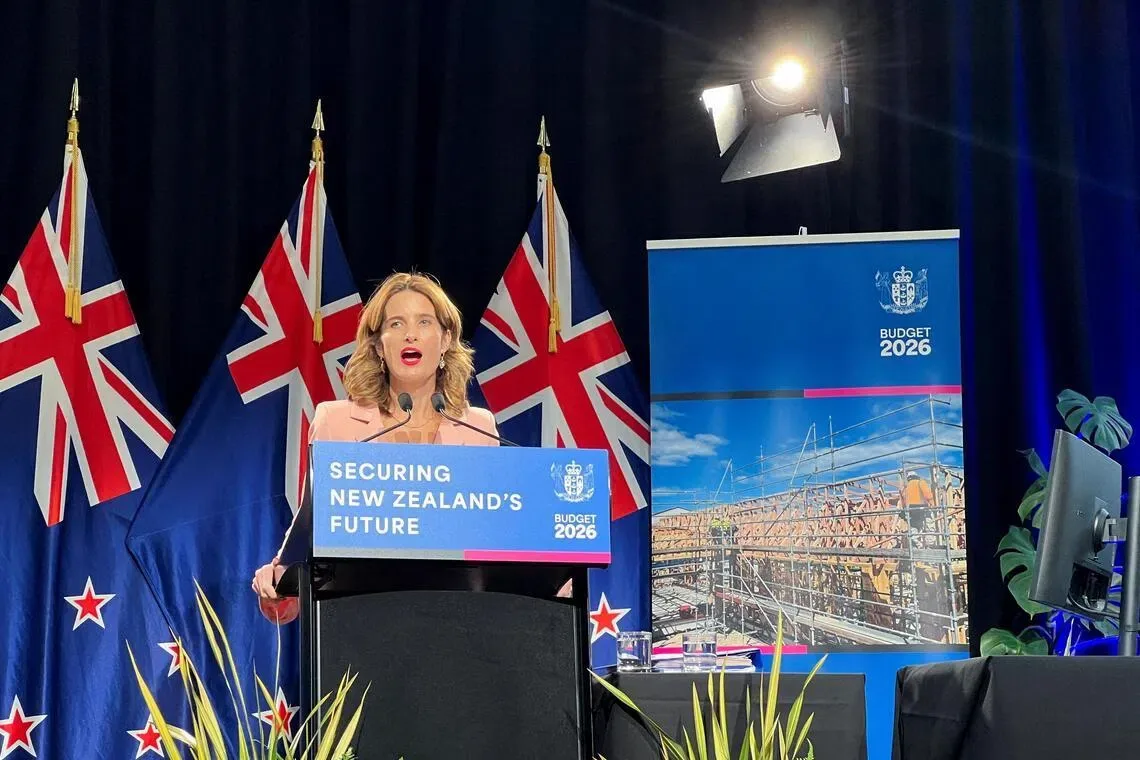
New Zealand Finance Minister Nicola Willis responded sharply, saying, "That would be extremely challenging. We don’t have billions of dollars sitting under the couch," dismissing suggestions that more massive funds could be quickly found to meet US expectations [1, 2]. She emphasized that New Zealand is "investing significantly in defence so that we can advance and protect New Zealand’s interests," but cautioned about the country's limited fiscal road room due to a weak economy and large projected budget deficits [1, 2].
The government included extra defense funding in its budget delivered on May 28, 2026, targeting the increase to 2% of GDP. However, the Finance Minister acknowledged the scale of the challenge in raising spending further given current economic conditions [1, 2]. Willis added that New Zealand will review defense capability plans every two years to adjust as needed [1].
New Zealand’s current defense expenditure stands at around 1% of GDP, substantially below the US suggestion of 3.5% used as a benchmark at the dialogue [1]. The issue has put pressure on Wellington to balance defense imperatives against economic realities.
The government continues to prioritize defense investment but is clear about its limited budget flexibility. The next defense capability review is scheduled within two years to reassess spending priorities and progress toward the 2% goal [1].